Understanding HVAC Systems: Explore Details, Core Concepts, Practical Tips, and Insights
HVAC systems heating, ventilation, and air conditioning are mechanical systems designed to regulate indoor temperature, humidity, and air quality. They exist because buildings require controlled environments to ensure comfort, safety, and proper air circulation. Homes, offices, hospitals, industrial plants, data centers, and transportation systems all rely on HVAC systems to maintain stable and healthy indoor conditions.
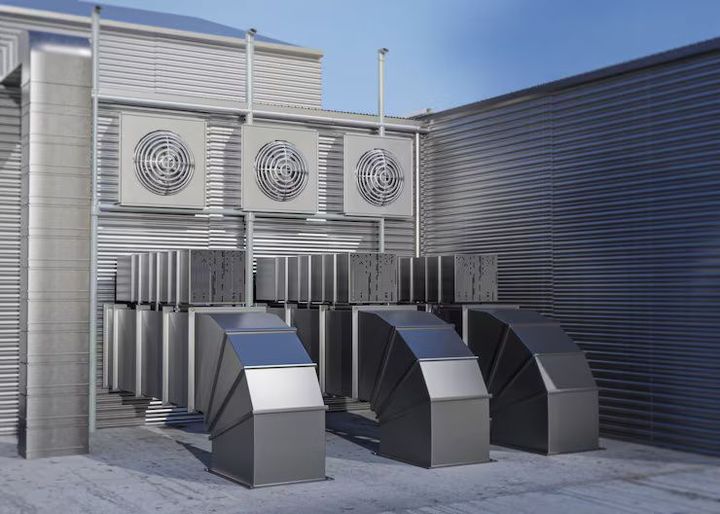
An HVAC system combines several interconnected components such as heaters, chillers, ventilation ducts, air handlers, filters, and thermostatic controls. These elements work together to supply fresh air, remove contaminants, regulate temperature, and maintain humidity at acceptable levels. Over time, HVAC systems have evolved from basic mechanical units to highly efficient, digitally managed systems that respond to environmental changes.
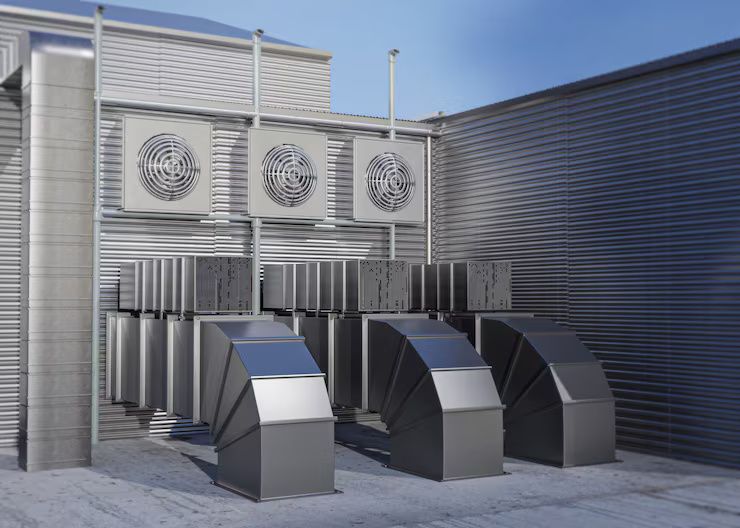
Modern HVAC technology is shaped by the need for energy efficiency, sustainability, indoor air quality, and reliable climate control. Building automation and smart sensors now play significant roles in optimizing HVAC performance and improving user comfort.
Importance
HVAC systems matter because they improve health, comfort, and operational stability across residential, commercial, and industrial environments. Their importance extends beyond temperature control, affecting air cleanliness, energy management, safety, and building functionality.
Key reasons HVAC systems are essential:
-
They maintain comfortable indoor temperatures across changing seasons.
-
They regulate humidity to prevent mold growth and material damage.
-
They filter indoor air, removing dust, allergens, and airborne contaminants.
-
They ensure proper ventilation in enclosed spaces.
-
They support industrial processes that require stable environmental conditions.
-
They reduce energy consumption through optimized control systems.
-
They protect sensitive equipment such as servers and laboratory instruments.
HVAC systems affect a wide range of people including building owners, facility managers, occupants, engineers, technicians, and environmental planners. These systems also address modern challenges such as indoor air quality concerns, climate extremes, and increasing energy demands.
By improving comfort and safety while reducing environmental impact, HVAC systems play an important role in both public well-being and industrial productivity.
Recent Updates
Developments from 2024 to 2025 highlight major advancements in energy efficiency, sensor technology, and HVAC management.
Notable Trends and Updates
-
Smart ventilation technology (2024–2025): The latest systems use real-time indoor air quality data to adjust airflow and improve overall ventilation performance.
-
Widespread use of variable refrigerant flow systems (2024): VRF technology provides precise temperature control and reduces energy waste.
-
Adoption of low-GWP refrigerants (2025): Many regions are moving toward environmentally friendly refrigerants with lower global warming potential.
-
AI-enhanced system diagnostics (2025): Artificial intelligence now predicts component wear, identifies inefficiencies, and recommends adjustments for optimal performance.
-
Improved energy recovery ventilators (2024): ERV systems have become more efficient, helping reduce energy consumption by reusing thermal energy.
-
Better sensor integration (2024–2025): Temperature, humidity, CO₂, and particulate sensors are now standard in many building systems.
-
Growth of modular HVAC units (2024): Pre-assembled, scalable HVAC systems simplify installation and allow easier adjustments as building needs change.
-
Focus on indoor air quality (IAQ) (2025): IAQ has become a priority due to global health awareness, influencing filtration and ventilation improvements.
These updates indicate an industry shift toward intelligence, sustainability, and improved air quality—key aspects of modern building management.
Laws or Policies
HVAC systems are influenced by laws, standards, and regulatory frameworks that guide environmental performance, safety, and energy usage. Regulations differ by country, but many align with international benchmarks for efficiency and indoor air quality.
Common Regulatory Themes
-
Energy standards: Many countries require HVAC equipment to meet minimum energy performance ratings.
-
Refrigerant regulations: Policies limit the use of certain refrigerants to reduce environmental impact.
-
Building codes: HVAC installations must comply with mechanical, electrical, and fire safety rules.
-
Indoor air quality guidelines: Standards specify ventilation rates, filtration levels, and air quality targets.
-
Equipment safety requirements: Rules govern pressure ratings, electrical safety, construction materials, and system reliability.
Widely Used Standards
-
ASHRAE Standards for ventilation, energy efficiency, and indoor air quality
-
ISO 16813 for building environmental design
-
ISO 5149 for refrigeration safety
-
National and regional energy codes for buildings
-
Environmental guidelines for refrigerant management
-
Fire safety regulations for HVAC placement and materials
These regulations ensure that HVAC systems promote safety, sustainability, and efficiency across all building types.
Tools and Resources
Various digital tools, technical references, and monitoring platforms support HVAC planning, analysis, and maintenance.
Helpful Tools for Understanding and Managing HVAC Systems
-
HVAC load calculators: Estimate heating and cooling requirements for different building sizes and environments.
-
Energy modeling software: Simulates HVAC performance to identify optimization opportunities.
-
Indoor air quality monitoring tools: Display data for CO₂, particulate matter, temperature, and humidity.
-
Duct sizing calculators: Help determine optimal airflow capacity within ventilation networks.
-
Thermal comfort analysis tools: Evaluate whether indoor conditions meet comfort standards.
-
Predictive maintenance systems: Monitor vibration, motor health, and airflow to detect early issues.
Educational and Technical Resources
-
HVAC design handbooks
-
Mechanical engineering reference materials
-
Air quality and ventilation guidelines
-
Troubleshooting charts for common system issues
-
System performance benchmarking guides
These tools and knowledge sources help users understand HVAC configuration, energy behavior, and performance improvement strategies.
FAQs
What does an HVAC system do?
An HVAC system regulates heating, cooling, ventilation, and air filtration, maintaining comfortable and healthy indoor environments across various seasons.
What factors affect HVAC system efficiency?
Efficiency depends on proper system sizing, insulation quality, airflow balance, maintenance frequency, equipment age, and thermostat settings.
How does ventilation improve indoor air quality?
Ventilation replaces stale indoor air with fresh outdoor air, diluting contaminants and supporting healthier, cleaner indoor environments.
What is the difference between HVAC and air conditioning?
Air conditioning focuses only on cooling, while HVAC includes heating, cooling, and ventilation as an integrated system.
Why are sensors important in modern HVAC systems?
Sensors measure temperature, humidity, air quality, and energy consumption, helping systems adjust automatically and operate more efficiently.
Conclusion
HVAC systems play a central role in shaping comfortable, healthy, and energy-efficient indoor environments. By controlling temperature, airflow, and air quality, these systems support everyday life and industrial operations. Advancements in smart controls, sensor technology, and energy-efficient hardware continue to transform how HVAC systems function, making them more reliable and environmentally responsible.
Understanding system components, regulatory influences, performance factors, and available tools helps building managers, technicians, and occupants make informed decisions about HVAC use and maintenance. As technology evolves, HVAC systems will remain an essential part of modern building design and environmental management.