Lithium Ion Battery Production Machinery Guide: Technology, Trends, and Resources
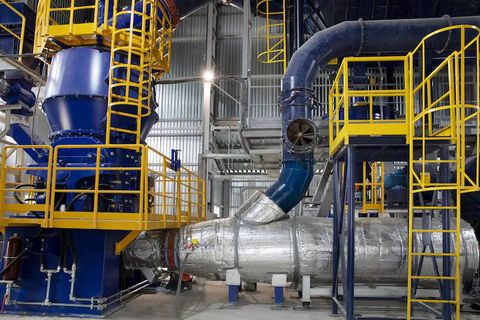
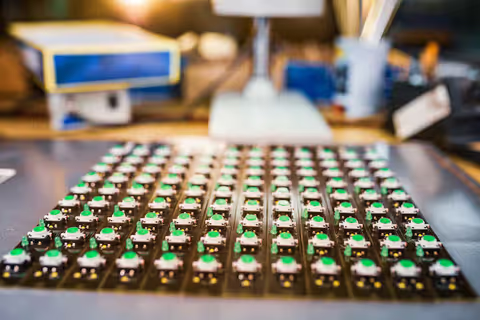
Lithium ion battery production machinery refers to the specialized industrial equipment used to manufacture lithium ion cells and battery packs. These machines support each step of the battery manufacturing process, from electrode preparation and cell assembly to testing and final packaging.
The topic exists because lithium ion batteries have become a foundational technology for modern energy storage. They are used in electric vehicles, consumer electronics, renewable energy storage systems, and industrial applications. As demand for reliable and efficient batteries increases, advanced production machinery plays a critical role in maintaining quality, consistency, and safety.
Battery manufacturing is a precision-driven field. Even small variations in coating thickness, humidity, or assembly alignment can affect battery performance and lifespan. Production machinery is designed to control these variables at scale, making large-volume manufacturing possible while meeting strict technical standards.
Importance
Lithium ion battery production machinery matters today because energy systems worldwide are shifting toward electrification and decarbonization. This shift affects industries, governments, researchers, and end users.
Key reasons this topic is important include:
-
Electric mobility growth: Electric vehicles rely on high-performance lithium ion batteries produced using automated machinery.
-
Renewable energy storage: Grid-scale and residential storage systems depend on reliable battery manufacturing processes.
-
Technology consistency: Advanced machinery ensures uniform cell quality and reduces performance variation.
-
Safety and compliance: Controlled production environments reduce risks related to thermal instability and material defects.
Problems this technology helps solve include limited energy density, inconsistent battery life, and manufacturing defects. By improving precision and monitoring, production machinery supports longer battery cycles and safer operation.
Core Production Stages and Machinery Overview
Lithium ion battery manufacturing follows a structured workflow. Each stage relies on dedicated machinery designed for specific tasks.
Key production stages include:
-
Electrode manufacturing
-
Cell assembly
-
Electrolyte filling
-
Formation and aging
-
Testing and inspection
Table: Major Machinery Types and Functions
| Production Stage | Machinery Type | Primary Function |
|---|---|---|
| Electrode prep | Slurry mixers | Uniform active material mixing |
| Coating | Coating machines | Apply electrode material evenly |
| Drying | Vacuum dryers | Remove moisture safely |
| Assembly | Stacking / winding machines | Form cell structure |
| Filling | Electrolyte filling systems | Controlled electrolyte injection |
| Testing | Battery analyzers | Measure performance and safety |
This structured approach ensures traceability and quality control across the entire production line.
Recent Updates and Industry Trends
Over the past year, lithium ion battery production machinery has continued to evolve alongside battery chemistry and automation technologies.
Notable trends observed during 2025–2026 include:
-
Higher automation levels: Increased use of robotics and AI-driven inspection systems in 2025 to reduce human error.
-
Dry electrode processing: Pilot-scale adoption of solvent-free electrode manufacturing methods reported in late 2025.
-
Energy-efficient equipment: New machinery designs focus on lower energy consumption during drying and formation stages.
-
Digital twins: In early 2026, manufacturers expanded the use of digital modeling to simulate production lines before physical installation.
These developments reflect a broader push toward scalable, efficient, and data-driven battery manufacturing systems.
Laws, Policies, and Regulatory Influence
Lithium ion battery production machinery is influenced by regulations related to safety, environmental protection, and industrial standards. While rules vary by country, several common policy themes apply.
Key regulatory areas include:
-
Environmental compliance: Regulations on solvent handling, emissions, and waste management affect machinery design.
-
Worker safety standards: Machinery must comply with industrial safety norms for high-voltage and chemical handling environments.
-
Battery standards: National and international standards guide testing and quality benchmarks.
-
Government programs: Many countries introduced battery manufacturing incentive frameworks between 2023 and 2025 to support domestic production infrastructure.
These policies encourage manufacturers to adopt cleaner processes, safer equipment layouts, and traceable production systems.
Tools and Resources
Several tools and resources help professionals and learners understand lithium ion battery production machinery more effectively.
Useful tools and references include:
-
Battery manufacturing process flow diagrams
-
Equipment efficiency calculators for production planning
-
Industrial automation simulation software
-
Academic journals on battery engineering and materials science
-
Government publications on battery manufacturing standards
Table: Common Tool Categories and Purpose
| Tool Category | Purpose |
|---|---|
| Process simulators | Model production line efficiency |
| Quality monitoring systems | Track defects and consistency |
| Data analytics platforms | Analyze machine performance |
| Standards documentation | Ensure regulatory alignment |
These resources support informed decision-making and technical understanding.
FAQs
What is lithium ion battery production machinery used for?
It is used to manufacture lithium ion cells and battery packs by controlling material preparation, assembly, testing, and quality assurance processes.
Why is precision important in battery manufacturing machinery?
Precision ensures consistent battery performance, safety, and lifespan. Small deviations can lead to reduced efficiency or reliability issues.
How does automation affect lithium ion battery production?
Automation improves consistency, reduces manual errors, and allows large-scale production while maintaining quality standards.
Are production machines adaptable to new battery chemistries?
Many modern systems are modular and can be adjusted for different electrode materials and cell formats with proper configuration.
What role does data monitoring play in battery production?
Data monitoring helps identify defects early, optimize machine settings, and maintain traceability across production batches.
Conclusion
Lithium ion battery production machinery is a cornerstone of the modern energy ecosystem. It enables the scalable and controlled manufacturing of batteries that power electric vehicles, electronics, and energy storage systems worldwide.
As battery demand continues to grow, production machinery is evolving through automation, digital monitoring, and energy-efficient designs. Regulatory frameworks and industry standards further shape how these systems are developed and deployed.
Understanding the machinery behind lithium ion battery production provides valuable insight into how advanced manufacturing supports the global transition toward electrified and sustainable energy solutions.