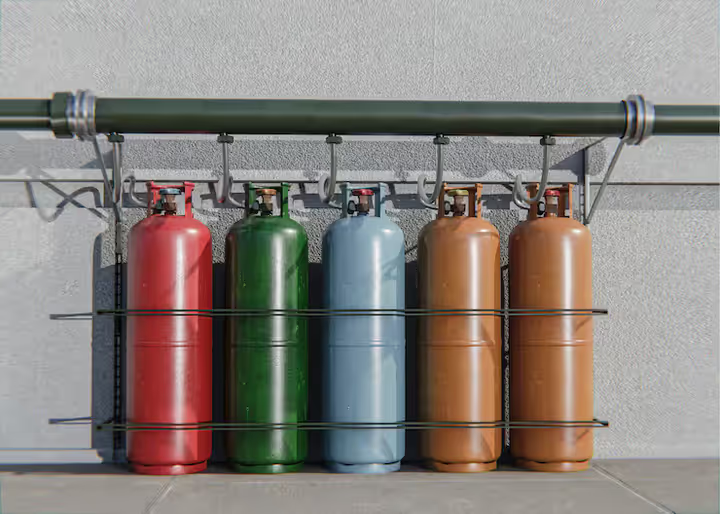
Industrial Gas Cylinder Overview: Structure, Types, Storage, and Industrial Use
Industrial gas cylinders are specialized containers designed to store and transport compressed or liquefied gases used in manufacturing, healthcare, laboratories, and heavy industries. These cylinders are engineered to withstand high pressure and maintain gas stability during storage and handling.
The development of industrial gas cylinders began alongside the growth of chemical processing and industrial manufacturing in the late nineteenth and early twentieth centuries. As industries required reliable ways to store gases such as oxygen, nitrogen, carbon dioxide, and argon, durable metal cylinders became a standard solution.
Modern cylinders are typically manufactured using high-strength steel or aluminum alloys. These materials ensure durability, corrosion resistance, and pressure tolerance. Cylinders are also fitted with precision valves and regulators that control gas flow and maintain operational safety.
Industrial gas cylinders play a fundamental role in various sectors. Manufacturing facilities use them for welding, cutting, and metal fabrication. Healthcare institutions depend on medical oxygen cylinders, while laboratories utilize specialty gases for scientific research and testing.
Because gases are often stored at extremely high pressures, strict engineering standards and safety protocols govern cylinder production and handling. These standards ensure safe operation across industries that rely on controlled gas supply.
Why Industrial Gas Cylinders Matter Today
Industrial gas cylinders remain essential in modern economies because many industries depend on compressed gases for critical operations. Without reliable gas storage systems, numerous manufacturing and technological processes would not function efficiently.
Several sectors depend heavily on industrial gas cylinders:
-
Manufacturing and Metal Fabrication – gases support welding, cutting, and heat treatment processes.
-
Healthcare Systems – oxygen cylinders are vital for respiratory care and emergency medical response.
-
Electronics and Semiconductor Production – specialty gases assist in microchip fabrication processes.
-
Food Processing and Packaging – carbon dioxide and nitrogen help preserve food products and maintain freshness.
-
Energy and Chemical Industries – gases support refining, chemical synthesis, and industrial testing.
The increasing demand for advanced manufacturing technologies has also increased the importance of reliable gas storage systems. As industries become more automated and technologically sophisticated, gas cylinders must meet higher standards for safety, durability, and precision.
Industrial gas cylinders also help solve important logistical challenges. They allow gases to be stored, transported, and used in controlled quantities across different locations. This portability ensures that industrial operations can function even in remote or temporary environments.
Recent Developments and Industry Trends
Over the past year, several developments have influenced the design, regulation, and use of industrial gas cylinders. Technological innovation and increased attention to safety have driven improvements across the sector.
One notable trend during 2025–2026 has been the increased use of composite gas cylinders. These cylinders combine metal liners with lightweight composite materials such as carbon fiber. The result is a cylinder that is lighter, corrosion-resistant, and easier to transport while maintaining high pressure resistance.
Another trend involves smart cylinder monitoring systems. Manufacturers are incorporating digital sensors that track pressure levels, gas usage, and temperature. These monitoring systems allow industrial facilities to maintain better control over gas inventory and safety conditions.
Environmental concerns have also influenced cylinder development. Several manufacturers are focusing on recyclable materials and longer cylinder lifespans in order to reduce industrial waste.
Additionally, advancements in hydrogen energy infrastructure during 2026 have increased attention on high-pressure hydrogen storage cylinders. These cylinders are designed to handle extremely high pressures required for hydrogen transport and energy applications.
The following table highlights common industrial gases stored in cylinders and their typical industrial uses.
| Industrial Gas | Typical Pressure Range | Key Industrial Applications |
|---|---|---|
| Oxygen | 150–200 bar | Welding, metal cutting, healthcare |
| Nitrogen | 150–300 bar | Food preservation, electronics manufacturing |
| Carbon Dioxide | 50–60 bar | Beverage carbonation, fire suppression systems |
| Argon | 150–200 bar | Shielding gas in welding processes |
| Hydrogen | 200–700 bar | Energy research, fuel cell development |
These developments illustrate how industrial gas cylinders continue evolving to meet new technological and environmental demands.
Regulations and Safety Policies
Because compressed gases can pose safety risks if mishandled, industrial gas cylinders are subject to strict regulations across many countries. These rules focus on manufacturing standards, transportation safety, and workplace handling procedures.
Several regulatory frameworks guide cylinder production and usage:
-
International Organization for Standardization (ISO) standards define technical requirements for cylinder manufacturing and testing.
-
Occupational safety regulations in many countries require regular inspection and certification of high-pressure gas containers.
-
Transportation regulations govern how compressed gases are packaged and transported across road, rail, or maritime routes.
In India, gas cylinder manufacturing and handling are influenced by national safety regulations administered by authorities responsible for industrial safety and petroleum infrastructure. These regulations define pressure testing procedures, labeling requirements, and periodic inspection schedules.
Workplace safety policies also require training programs for personnel handling compressed gases. These programs emphasize proper storage orientation, valve protection, leak detection, and safe transport procedures.
Governments and international organizations continuously update these regulations as new technologies emerge. The goal is to ensure safe use while supporting industrial growth and technological innovation.
Tools and Resources Related to Industrial Gas Cylinders
Many digital tools and technical resources help professionals manage gas cylinders safely and efficiently. These resources support industrial planning, safety monitoring, and operational control.
Common tools used in industrial environments include:
-
Cylinder Pressure Calculators
These tools estimate remaining gas volume based on pressure readings and cylinder capacity. -
Gas Compatibility Charts
Charts that show which gases can safely interact with specific materials and equipment. -
Industrial Safety Apps
Mobile applications that provide safety guidelines, emergency procedures, and inspection checklists. -
Digital Cylinder Tracking Systems
Inventory systems that track cylinder location, pressure levels, and usage patterns. -
Technical Standards Databases
Online platforms where engineers access regulatory standards and engineering specifications.
Organizations also publish technical guides that help engineers understand cylinder design, pressure ratings, and safe operating limits. These resources assist industries in maintaining consistent safety standards across facilities.
Frequently Asked Questions
What is an industrial gas cylinder?
An industrial gas cylinder is a high-pressure container designed to store and transport compressed or liquefied gases used in industrial, medical, and scientific applications. These cylinders are built with strong materials to handle high internal pressure safely.
Which gases are commonly stored in industrial cylinders?
Common gases include oxygen, nitrogen, carbon dioxide, argon, hydrogen, helium, and acetylene. Each gas serves different industrial purposes such as welding, food packaging, energy research, and laboratory testing.
Why are industrial gas cylinders built with thick metal walls?
The thick walls allow the cylinder to withstand extremely high internal pressure without deformation or rupture. The design also protects the gas from environmental factors such as temperature changes and physical damage.
How are industrial gas cylinders tested for safety?
Cylinders undergo periodic hydrostatic testing, where water pressure is applied to check structural integrity. Manufacturers also conduct visual inspections and valve testing to ensure safe operation.
Can industrial gas cylinders be reused?
Yes. Most industrial gas cylinders are designed for long-term reuse. They undergo routine inspection, pressure testing, and valve replacement to ensure they remain safe for continued use.
Conclusion
Industrial gas cylinders remain an essential component of modern industry. Their ability to store and transport compressed gases safely allows a wide range of industrial processes to function efficiently. From manufacturing and healthcare to scientific research and energy development, these cylinders support critical operations around the world.
Recent advancements in materials, monitoring technologies, and hydrogen storage systems have further expanded the capabilities of gas cylinder technology. At the same time, regulatory standards and safety guidelines continue evolving to ensure responsible handling and usage.
As industries move toward more advanced manufacturing systems and sustainable energy technologies, industrial gas cylinders will continue to play a vital role in supporting innovation, safety, and operational reliability across global industries.