Industrial Boilers Guide: Structure, Operation, and Role in Modern Manufacturing
Industrial boilers are large mechanical systems designed to generate steam or hot water for various industrial and commercial applications. They exist because many industrial processes—such as heating, sterilization, power generation, chemical processing, and material production—require a continuous supply of controlled heat or steam. Boilers convert energy from fuels such as natural gas, biomass, or electricity into thermal energy that supports manufacturing, production, and facility operations.
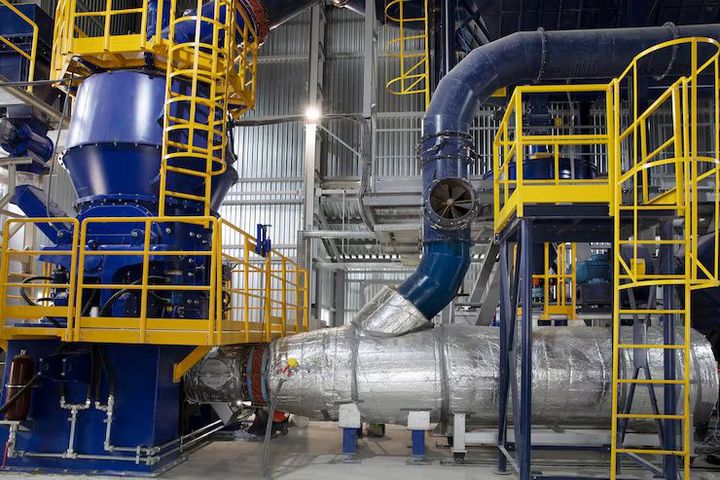
A typical industrial boiler consists of a vessel, heat exchangers, burners or heating elements, controls, safety devices, and distribution systems. The boiler heats water or generates steam through a combination of combustion, thermal conduction, and pressure management. Over centuries, boilers have progressed from simple fire-tube designs to advanced, fully automated systems that emphasize efficiency, safety, and environmental performance.
As industries expand, the demand for dependable steam and heating solutions increases. Modern boilers integrate advanced digital controls, automated fuel management, and enhanced safety monitoring to deliver stable performance with minimal downtime.
Importance
Industrial boilers hold significant importance because they power essential heat-based industrial activities. Many sectors rely on boilers to maintain process stability, achieve required product quality, and support daily operations.
Key reasons industrial boilers are essential:
-
They supply steam for manufacturing, sterilization, and processing operations.
-
They provide heat for chemical reactions, food processing, and material treatment.
-
They maintain temperature control in large industrial environments.
-
They support power generation in cogeneration and combined heat and power systems.
-
They ensure operational reliability by providing consistent, controlled energy output.
-
They improve productivity by reducing process interruptions and inefficiencies.
Industries that depend on boilers include pharmaceuticals, textiles, pulp and paper, power generation, oil refining, metallurgy, HVAC infrastructure, and food production. These systems also play an important role in district heating and environmental management.
Because boilers handle high pressure and temperature, they must be designed, operated, and maintained with care. Their significance extends to energy management, workplace safety, operational stability, and long-term sustainability.
Recent Updates
From 2025 to 2026, industrial boilers have seen advancements focused on efficiency, emission reduction, automation, and alternative fuels.
Recent Trends and Developments
-
Rise of low-emission boiler technologies (2025–2026): Systems now integrate low-NOx burners to reduce environmental impact.
-
Growing adoption of electric industrial boilers (2025): Electrically powered boilers are being used in facilities aiming to reduce carbon emissions.
-
Advanced automation and digital controls (2026): Intelligent control panels, IoT sensors, and cloud-based monitoring have improved diagnostics and performance management.
-
Energy recovery systems (2025): Heat recovery units are now more commonly added to capture waste heat and improve total efficiency.
-
Wider use of biomass and renewable fuels (2026): New boiler designs are optimized to accept waste-based fuels and agricultural biomass.
-
Improved water treatment technologies (2025): Enhanced filtration and conditioning systems extend boiler life and reduce scaling.
-
Boiler efficiency optimization tools (2025–2026): Data analytics platforms now monitor combustion performance and recommend efficiency improvements.
These updates reflect a global shift toward sustainability, digital integration, and reliable long-term operation.
Laws or Policies
Industrial boilers are governed by strict regulations related to pressure vessel safety, emissions, fuel handling, and energy usage. These rules ensure workplace protection, environmental compliance, and equipment reliability.
Common Regulatory Areas Affecting Industrial Boilers
-
Pressure vessel safety: Standards govern design, fabrication, testing, and operation of high-pressure equipment.
-
Emission regulations: Boilers must comply with limits on nitrogen oxides, sulfur dioxide, particulate matter, and greenhouse gas output.
-
Water quality and treatment: Policies guide discharge, chemical usage, and feedwater preparation.
-
Energy efficiency requirements: Many regions enforce minimum performance standards for industrial heating systems.
-
Inspection and certification: Regular inspections verify structural integrity, pressure control, and safety device performance.
-
Mechanical and electrical safety codes: Regulations ensure that boiler systems follow accepted engineering and installation practices.
Commonly Referenced Standards
-
ASME Boiler and Pressure Vessel Code
-
ISO standards for boiler efficiency and safety
-
National Fire Protection Association (NFPA) guidelines
-
Environmental protection regulations for air and water emissions
-
Workplace safety and mechanical installation codes
These standards help maintain safe operation, protect workers, and ensure boilers meet environmental and engineering requirements.
Tools and Resources
Various analytical tools and technical references support boiler planning, operation, and maintenance.
Useful Tools for Boiler Analysis and Operation
-
Steam demand calculators: Estimate required steam capacity based on industrial load.
-
Combustion efficiency analyzers: Assess fuel-to-steam conversion performance.
-
Water treatment calculators: Determine required conditioning for feedwater.
-
Heat loss calculators: Identify thermal losses in pipes and equipment.
-
Boiler monitoring dashboards: Display real-time pressure, temperature, and performance metrics.
-
Predictive maintenance systems: Detect early signs of wear, scaling, or combustion imbalance.
-
Energy modeling tools: Simulate fuel usage and optimize overall system efficiency.
Technical Knowledge Resources
-
Boiler operation manuals
-
Pressure vessel engineering handbooks
-
Industrial safety guidelines
-
Thermal system design references
-
Maintenance and troubleshooting guides
These tools help engineers, facility managers, and operators maintain efficient and safe boiler performance.
FAQs
What is the purpose of an industrial boiler?
An industrial boiler produces steam or hot water for heating, processing, sterilizing, or powering equipment in industrial and commercial settings.
How do industrial boilers improve efficiency?
Efficiency improves through proper combustion control, insulation, heat recovery units, regular maintenance, and high-quality water treatment.
Why is water treatment important for boilers?
Water treatment prevents scaling, corrosion, and deposits that reduce boiler efficiency and shorten equipment life.
What factors determine the right boiler type for an application?
Selection depends on pressure requirements, steam demand, fuel availability, temperature needs, and operational environment.
How often should boilers be inspected?
Inspection frequency depends on regional regulations, operating hours, and system design, but routine checks are essential for safe and reliable performance.
Conclusion
Industrial boilers are essential systems that provide thermal energy, steam, and heat for a wide range of industrial and commercial processes. Their performance affects production quality, safety, and energy efficiency across many sectors. With advancements in digital monitoring, cleaner fuels, and improved engineering techniques, modern boilers are becoming more efficient, safer, and more environmentally responsible.
Understanding boiler components, operating principles, regulations, and best practices helps engineers and facility managers maintain safe and reliable systems. As industries continue to focus on sustainability and process optimization, industrial boilers will remain a critical part of global manufacturing and infrastructure development.