Tunnel Boring Machines Explained: Explore Facts, Resources, and Modern Uses
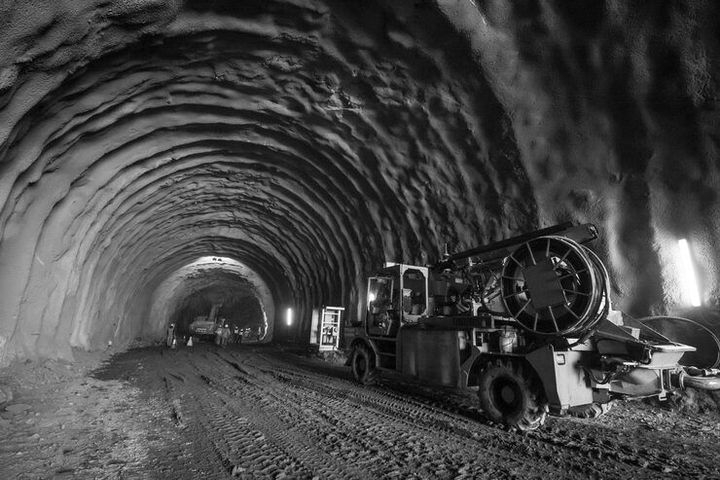
Tunnel boring machines (TBMs) are large, specialized machines designed to excavate tunnels through soil, rock, and mixed ground conditions. They are commonly used in the construction of underground infrastructure such as metro rail systems, road tunnels, water supply channels, sewage networks, and utility corridors.
The concept of mechanized tunneling emerged to address the limitations of manual drilling and blasting. Traditional excavation methods were slow, risky, and difficult to control in urban or geologically complex areas. TBMs were developed to provide a safer, more precise, and more predictable way to create underground passages while minimizing surface disruption.
A typical tunnel boring machine consists of a rotating cutting head, a support system to stabilize the tunnel, and a conveyance mechanism to remove excavated material. Over time, TBMs have evolved into highly advanced engineering systems that integrate automation, real-time monitoring, and geotechnical analysis.
Importance: Why Tunnel Boring Machines Matter Today
Tunnel boring machines play a critical role in modern infrastructure development. As cities grow denser and surface space becomes limited, underground construction has become essential for transportation, utilities, and flood control.
Key reasons TBMs are important today include:
-
Supporting urban metro and underground rail expansion
-
Enabling long-distance water transfer and drainage projects
-
Reducing surface-level environmental and traffic disruption
-
Improving worker safety compared to conventional excavation
-
Allowing precise tunneling under existing buildings and rivers
TBMs affect a wide range of stakeholders, including urban planners, civil engineers, government authorities, and communities relying on efficient transport and utility networks. By solving challenges related to land scarcity and geological uncertainty, tunnel boring machines enable sustainable infrastructure growth.
Recent Updates: Trends and Developments in the Past Year
Over the past year, tunnel boring technology has continued to advance, particularly in automation, digital monitoring, and sustainability.
Notable developments during 2024–2025 include:
-
Increased use of AI-based monitoring systems to predict cutter wear and ground behavior
-
Adoption of hybrid TBMs capable of operating in variable soil and rock conditions
-
Improved slurry and earth pressure balance systems for water-bearing ground
-
Integration of digital twin models for real-time tunnel alignment control
-
Focus on energy-efficient drive systems to reduce environmental impact
Several large infrastructure projects launched or progressed in 2024 incorporated next-generation TBMs with enhanced data collection and remote diagnostic capabilities. These updates reflect a broader trend toward safer, smarter, and more adaptable tunneling solutions.
Laws or Policies: Regulatory and Government Influence
Tunnel boring machine operations are strongly influenced by national and regional regulations, particularly in countries with extensive infrastructure development.
Common regulatory considerations include:
-
Environmental impact assessment requirements for underground construction
-
Safety standards for underground machinery and worker protection
-
Urban planning permissions for subsurface development
-
Geological survey and reporting obligations
-
Waste handling rules for excavated material
In India, large tunneling projects fall under guidelines issued by central and state authorities, including transport and urban development agencies. Government-backed metro rail and water infrastructure programs have encouraged the adoption of mechanized tunneling to meet strict timelines and safety expectations.
Internationally, standards from organizations such as ISO and regional engineering bodies guide TBM design, operation, and maintenance practices.
Tools and Resources: Helpful Systems and References
A variety of tools and resources support the planning, operation, and monitoring of tunnel boring machines.
Helpful resources include:
-
Tunnel design and simulation software
-
Geotechnical modeling platforms
-
Cutter head wear analysis tools
-
Real-time ground monitoring dashboards
-
Engineering reference manuals and standards documents
Below is a simplified table showing common TBM types and their typical applications:
| TBM Type | Ground Conditions | Common Applications |
|---|---|---|
| Earth Pressure Balance | Soft soil, clay | Urban metro tunnels |
| Slurry Shield | Water-bearing ground | River crossings |
| Hard Rock TBM | Solid rock | Mountain tunnels |
| Dual Mode TBM | Mixed geology | Long-distance tunnels |
These tools and classifications help engineers select appropriate machines and manage risks during tunnel construction.
Understanding How Tunnel Boring Machines Work
A tunnel boring machine advances by rotating its cutting head against the tunnel face. The excavated material is collected through openings in the cutter head and transported away using conveyors or slurry pipelines.
Key operational steps include:
-
Ground excavation by the cutting head
-
Continuous tunnel support using lining segments
-
Spoil removal and handling
-
Alignment and steering control
-
Ongoing monitoring of pressure and stability
FAQs: Common Questions About Tunnel Boring Machines
What determines the size of a tunnel boring machine?
The size of a TBM is determined by the required tunnel diameter, which depends on the intended use, such as rail, road, or utility tunnels.
How fast can a tunnel boring machine advance?
Advance rates vary based on geology and design, but modern TBMs can progress several meters per day under suitable conditions.
Are tunnel boring machines reusable?
Some components can be reused or refurbished, but many TBMs are custom-designed for specific geological and project requirements.
How is tunnel alignment controlled underground?
Alignment is managed using laser guidance systems, sensors, and continuous geotechnical feedback.
What happens to the excavated material?
Excavated material is transported out of the tunnel and managed according to environmental and construction regulations.
Challenges and Limitations of Tunnel Boring Machines
Despite their advantages, TBMs also face limitations that must be managed carefully.
Common challenges include:
-
High complexity in mixed ground conditions
-
Cutter wear in abrasive rock formations
-
Space requirements for launch and retrieval shafts
-
Detailed planning needed before deployment
Engineering teams rely on extensive geological surveys and simulation tools to reduce these risks and ensure predictable outcomes.
Conclusion: The Role of Tunnel Boring Machines in Modern Infrastructure
Tunnel boring machines represent a cornerstone of modern underground construction. By combining mechanical precision with advanced monitoring systems, they enable safe, efficient, and controlled tunneling in environments where traditional methods are impractical.
As urbanization increases and infrastructure demands grow, TBMs will continue to evolve with smarter automation, improved adaptability, and stronger alignment with environmental and regulatory expectations. Understanding how tunnel boring machines work, why they matter, and how they are regulated provides valuable knowledge for anyone interested in large-scale engineering and infrastructure development.