Robotic Sorting Explained: Discover Information, Facts, and Practical Tips
Robotic sorting systems are automated technologies designed to identify, classify, and organize objects based on their characteristics such as size, shape, color, or material composition. Using a combination of robotics, sensors, computer vision, and artificial intelligence (AI), these systems streamline tasks that were once manual and time-consuming
Initially used in manufacturing and logistics, robotic sorting has now expanded into sectors such as food processing, recycling, pharmaceuticals, and e-commerce fulfillment. The system’s ability to sort large quantities of items with speed and precision has made it a crucial element in modern automation.
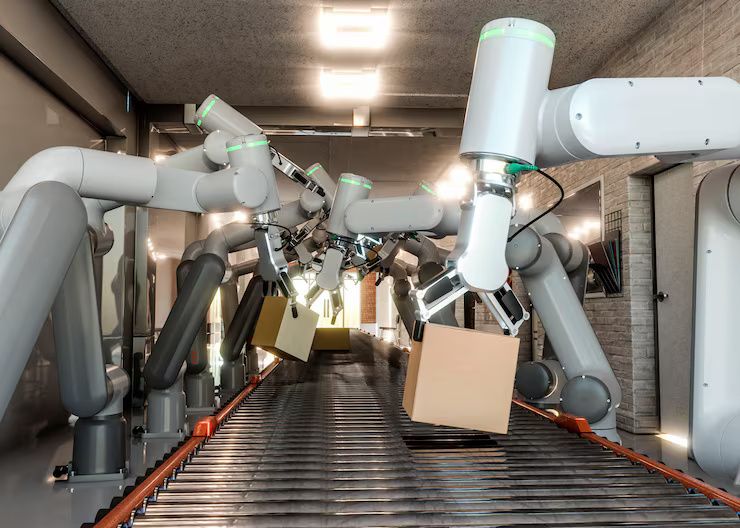
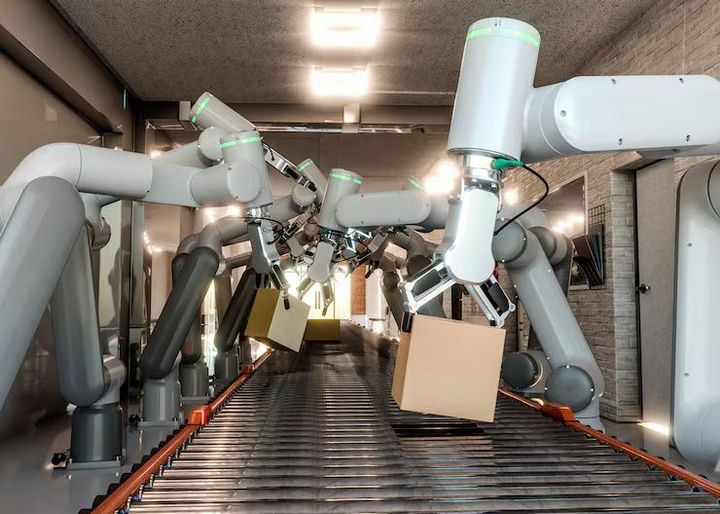
A typical robotic sorting setup includes a conveyor system, cameras or sensors, a robotic arm, and AI-based control software. These components work together to detect items, classify them, and place them in designated areas — all without human intervention.
Importance
Robotic sorting has become vital in industries where accuracy, speed, and consistency are critical. It reduces human error, improves safety, and ensures better quality control.
Why It Matters
-
Enhanced Productivity: Robots can sort thousands of items per hour with consistent accuracy.
-
Labor Efficiency: Reduces repetitive manual tasks, allowing humans to focus on higher-value work.
-
Quality Control: Ensures precise identification of defective or incorrect items.
-
Scalability: Easily adaptable for varying production volumes and item types.
-
Data-Driven Insights: AI systems collect data that can optimize processes and reduce waste.
-
Safety Benefits: Reduces worker exposure to hazardous or high-speed environments.
In essence, robotic sorting supports smart manufacturing, logistics automation, and sustainable industrial operations, playing a key role in the rise of Industry 4.0.
Recent Updates
The field of robotic sorting continues to evolve rapidly, driven by AI innovations, better sensors, and machine learning algorithms.
Notable Trends and Developments (2024–2025)
-
AI-Powered Object Recognition: Deep learning models can now classify complex items, such as mixed recyclables or irregular food products.
-
Vision-Based Sorting Systems: High-resolution cameras and 3D sensors increase accuracy even in cluttered environments.
-
Collaborative Robots (Cobots): Designed to work safely alongside humans, improving efficiency in warehouses and packaging units.
-
Edge Computing Integration: Data processing occurs directly on the sorting line for real-time decision-making.
-
Sustainability Focus: Recycling and waste management sectors are adopting robotic sorters to improve material recovery rates.
-
Modular Sorting Lines: Manufacturers are building flexible systems that can easily switch between product types.
-
Market Growth (2024): The global robotic sorting market surpassed USD 4.2 billion, with projected growth exceeding 12% CAGR through 2030.
These innovations highlight the increasing role of AI and robotics in achieving higher efficiency and sustainability in modern industries.
Laws and Regulations
Robotic sorting systems must comply with industrial safety, automation, and environmental regulations to ensure secure and ethical deployment.
Key Regulatory Aspects
-
Safety Standards: Governed by ISO 10218 and ISO/TS 15066, defining safety requirements for industrial and collaborative robots.
-
Machine Directive (EU) 2006/42/EC: Regulates mechanical design and user safety for automation equipment in Europe.
-
OSHA Guidelines (USA): The Occupational Safety and Health Administration enforces safety practices for robot-human interaction.
-
Data Privacy Regulations: When equipped with vision systems, robotic sorters must comply with GDPR and data protection laws to manage recorded information.
-
Environmental Compliance: In recycling or waste facilities, robotic sorters must adhere to ISO 14001 environmental management standards.
Following these standards ensures that robotic sorting systems remain safe, efficient, and environmentally responsible.
Tools and Resources
Professionals and engineers can use several platforms and tools to learn about or manage robotic sorting technologies effectively.
| Category | Tool / Platform | Purpose / Use |
|---|---|---|
| Simulation & Design | RoboDK, MATLAB Robotics Toolbox | Simulate sorting line performance and optimize movements |
| AI & Vision Systems | OpenCV, TensorFlow, Cognex VisionPro | Develop and train object detection and sorting algorithms |
| Hardware Solutions | ABB, FANUC, KUKA Robotics | Industrial robotic arms and automation systems |
| Learning Resources | Coursera, edX, Robotics.org | Online courses and certifications in robotics and automation |
| Productivity Software | Siemens TIA Portal, ROS (Robot Operating System) | Manage robotic systems and integrate with production lines |
Practical Tips for Implementing Robotic Sorting
-
Assess Item Diversity: Choose sensors that can recognize multiple item types or materials.
-
Use Proper Lighting: Consistent illumination improves object detection accuracy.
-
Integrate AI Gradually: Begin with semi-automated systems before scaling to full AI automation.
-
Plan Preventive Maintenance: Regular calibration ensures long-term precision.
-
Data Monitoring: Use dashboards to track throughput, error rates, and downtime.
Types of Robotic Sorting Systems
| Type | Description | Common Applications |
|---|---|---|
| Vision-Based Sorting Robots | Use cameras and AI to identify and separate items | Food, recycling, packaging |
| Magnetic Sorting Robots | Detect and extract ferrous materials using magnets | Metal recycling and waste processing |
| Weight-Based Sorting Systems | Use load cells to separate items by mass | Agriculture and logistics |
| Color Sorting Machines | Utilize optical sensors to sort by color | Food and plastic industries |
| AI-Powered Robotic Arms | Use deep learning for adaptive, complex sorting tasks | E-commerce, logistics, and warehouses |
Each system is tailored to specific industrial needs, ensuring speed, accuracy, and adaptability in sorting operations.
Industry Applications
Robotic sorting has widespread use across various industries where consistency and accuracy are essential.
-
Recycling: Separating plastics, metals, and glass from mixed waste streams.
-
Food Processing: Sorting fruits, vegetables, and grains based on quality, color, or size.
-
E-commerce Fulfillment: Picking and categorizing products for packaging and delivery.
-
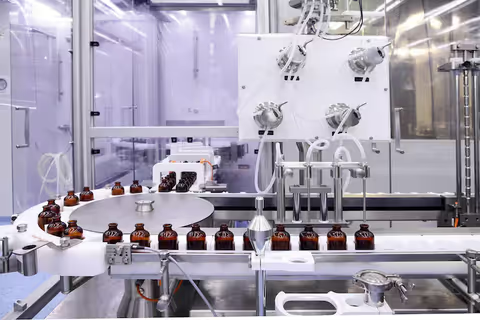
Pharmaceutical Manufacturing: Ensuring the correct arrangement of capsules, tablets, and medical components.
-
Automotive Industry: Sorting mechanical parts and subassemblies in production lines.
-
Mining and Material Handling: Identifying and sorting valuable ores or materials.
Through automation, these applications have led to higher efficiency, reduced waste, and improved safety.FAQs
Q1. What is robotic sorting?
Robotic sorting refers to the use of robots equipped with sensors and AI to identify, classify, and organize objects automatically.
Q2. How does a robotic sorting system work?
It uses cameras, sensors, and software to analyze items on a conveyor belt and instructs robotic arms to sort them into categories.
Q3. Which industries use robotic sorting?
Industries like recycling, food processing, logistics, and pharmaceuticals rely heavily on robotic sorting systems.
Q4. What is the main advantage of robotic sorting?
It significantly improves accuracy, efficiency, and safety, reducing human error and operational costs.
Q5. Are robotic sorting systems expensive to maintain?
Maintenance costs depend on usage, but AI-driven systems reduce manual intervention and have long operational lifespans.
Conclusion
Robotic sorting is transforming how industries manage classification and quality control. By combining AI, robotics, and vision systems, it offers faster, safer, and more sustainable solutions for complex sorting challenges.
As industries move toward automation and digitalization, robotic sorting will continue to play a vital role in ensuring precision, efficiency, and environmental sustainability.
Whether used in recycling plants, food facilities, or logistics centers, these systems are setting new benchmarks for productivity and innovation. Understanding their working principles, regulatory framework, and latest trends enables professionals and organizations to embrace automation intelligently and optimize operations for the future.