Pressure Vessels Basics: Industrial Applications and Regulatory Standards
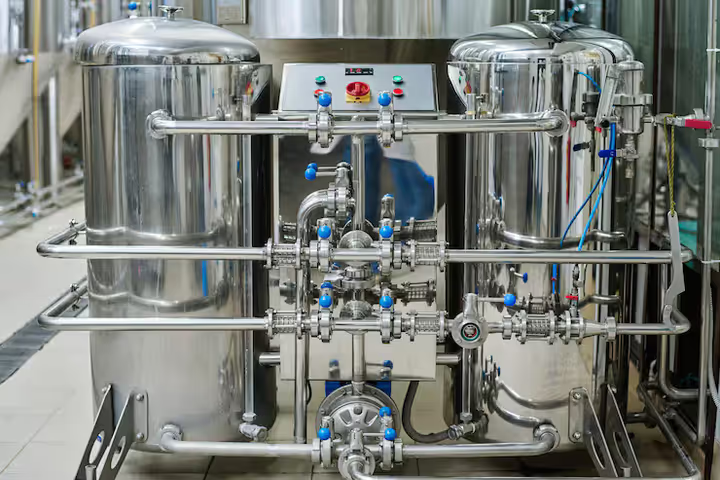
Pressure vessels are specially designed containers that hold gases or liquids at pressures significantly different from the surrounding environment. These systems are essential in industries where controlled pressure is necessary for processing, storage, or transportation.
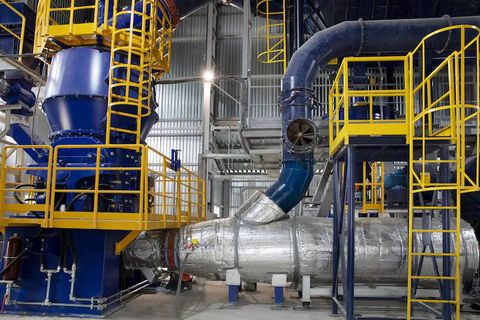
Common examples include industrial boiler systems, compressed air receivers, heat exchangers, and high pressure tanks used in chemical processing plants. Unlike standard storage tanks, pressure vessels must withstand internal or external pressure without deformation, leakage, or rupture.
They exist because many industrial processes depend on pressure control. For example:
-
Oil refining requires pressurized reactors
-
Pharmaceutical manufacturing uses sterilization chambers
-
Power plants depend on steam boilers
-
Food processing facilities use pressurized vessels for pasteurization
Without pressure vessels, many modern industries would not function safely or efficiently.
Why Pressure Vessels Matter Today
Pressure vessels affect a wide range of industries including energy, oil and gas, pharmaceuticals, food production, manufacturing, and renewable energy systems.
They matter today because:
-
Industrial safety compliance standards are stricter
-
Hydrogen storage technology is expanding
-
Clean energy systems require high pressure containment
-
Global manufacturing relies on standardized engineering codes
Improperly designed or maintained vessels can cause serious industrial accidents. This makes pressure vessel design and inspection critical for:
-
Engineers
-
Plant operators
-
Industrial safety officers
-
Regulatory authorities
Pressure vessel failures can result in:
-
Structural damage
-
Environmental hazards
-
Workplace injuries
-
Production downtime
Because of these risks, advanced non destructive testing (NDT), digital inspection systems, and updated ASME pressure vessel code standards are increasingly important.
Recent Developments and Industry Updates
Over the past year, several developments have shaped pressure vessel technology and regulation.
In 2024, updates to the American Society of Mechanical Engineers Section VIII code focused on enhanced fatigue analysis methods and improved material traceability requirements.
Hydrogen storage systems have also gained attention due to global clean energy targets announced at the COP28 conference. As hydrogen infrastructure expands, pressure vessels capable of withstanding extremely high pressures are becoming more critical.
Digital monitoring systems have grown significantly in 2025. Many industrial facilities now use:
-
IoT-based pressure sensors
-
Real-time structural health monitoring
-
Predictive maintenance software
-
AI-driven inspection scheduling
Another trend is the adoption of composite pressure vessels in transportation sectors, particularly in electric and hydrogen-powered vehicles.
Laws, Codes, and Regulatory Framework
Pressure vessels are heavily regulated due to safety concerns.
In the United States, the Occupational Safety and Health Administration enforces workplace safety regulations that include pressure system standards.
The American Society of Mechanical Engineers (ASME) Boiler and Pressure Vessel Code (BPVC) provides detailed engineering guidelines for design, fabrication, inspection, and testing.
In the European Union, the European Commission oversees the Pressure Equipment Directive (PED), which sets compliance requirements for equipment operating above certain pressure thresholds.
India follows standards defined by the Bureau of Indian Standards and the Indian Boiler Regulations (IBR).
These frameworks typically address:
-
Material specifications
-
Welding procedures
-
Hydrostatic testing
-
Inspection intervals
-
Certification and documentation
Compliance ensures:
-
Worker protection
-
Environmental safety
-
Operational reliability
-
Legal accountability
Key Components of Pressure Vessel Design
Pressure vessel design depends on several technical factors:
| Design Factor | Purpose |
|---|---|
| Material Selection | Withstand stress and corrosion |
| Wall Thickness Calculation | Prevent rupture under pressure |
| Joint Efficiency | Ensure weld strength |
| Corrosion Allowance | Extend operational life |
| Stress Analysis | Evaluate load-bearing capacity |
The most common shapes include:
-
Cylindrical
-
Spherical
-
Conical
Spherical vessels distribute stress evenly, making them ideal for high pressure applications.
A simplified pressure-stress relationship is shown below:
Pressure Increase → Wall Stress Increase → Structural Risk Increase
Engineers use finite element analysis (FEA) software to simulate these stress conditions before fabrication.
Inspection and Testing Methods
Regular inspection prevents catastrophic failure. Common non destructive testing techniques include:
-
Ultrasonic testing
-
Radiographic testing
-
Magnetic particle inspection
-
Dye penetrant testing
-
Acoustic emission testing
Hydrostatic testing is widely used during commissioning. In this method, the vessel is filled with water and pressurized to check for leaks and deformation.
Inspection frequency depends on:
-
Operating pressure
-
Material type
-
Environmental exposure
-
Regulatory requirements
Predictive maintenance tools now use real-time monitoring data to estimate remaining useful life.
Tools and Resources for Engineers and Operators
Several professional tools and platforms support pressure vessel design and compliance.
Engineering Software
-
PV Elite
-
ANSYS Mechanical
-
SolidWorks Simulation
Inspection and Testing Tools
-
Digital ultrasonic flaw detectors
-
Portable radiography systems
-
Pressure calibration gauges
Online References
-
ASME BPVC documentation portal
-
Bureau of Indian Standards publications
-
European Pressure Equipment Directive database
Calculators
-
Wall thickness calculators
-
Pressure-temperature rating tools
-
Corrosion allowance estimators
These tools help engineers ensure compliance and improve structural reliability.
Frequently Asked Questions
What is the difference between a pressure vessel and a storage tank?
A pressure vessel operates at pressures significantly above or below atmospheric pressure, while a storage tank typically operates at or near atmospheric pressure.
Which industries rely most on pressure vessels?
Oil and gas, power generation, pharmaceuticals, food processing, and chemical manufacturing depend heavily on pressure vessels.
What causes pressure vessel failure?
Common causes include corrosion, material fatigue, welding defects, overpressure conditions, and lack of inspection.
How often should pressure vessels be inspected?
Inspection frequency depends on regulatory requirements, operating conditions, and risk assessments. Many industrial systems follow annual or periodic inspection schedules.
Are composite pressure vessels replacing steel vessels?
Composite vessels are increasingly used in hydrogen storage and transportation sectors, but steel remains dominant in heavy industrial environments.
Future Outlook and Industry Trends
Pressure vessel technology is evolving in response to sustainability and safety goals.
Emerging trends include:
-
Hydrogen-compatible materials
-
Smart pressure monitoring systems
-
Advanced corrosion-resistant alloys
-
AI-based failure prediction
-
Modular vessel fabrication
The shift toward renewable energy infrastructure is likely to increase demand for high pressure containment systems in the coming years.
Conclusion
Pressure vessels are essential components of modern industrial infrastructure. They enable controlled chemical reactions, energy production, material storage, and manufacturing processes.
As safety standards evolve and global industries modernize, compliance with engineering codes such as the ASME BPVC and national regulations remains critical.
Technological advancements in inspection, materials science, and digital monitoring are improving reliability and reducing risk. Understanding pressure vessel design principles, regulatory frameworks, and inspection practices helps ensure safe and efficient industrial operations.
With growing emphasis on hydrogen storage and renewable energy systems, pressure vessels will continue to play a central role in global industrial development.