Pressure Transmitters Guide: Explore Insights, Facts, and Helpful Knowledge to Learn
Pressure transmitters are essential instruments used to measure and monitor pressure levels in gases, liquids, or steam systems. They convert physical pressure into an electrical signal that can be read and analyzed by control systems in industries such as oil & gas, chemical, power generation, manufacturing, water treatment, and HVAC.
These devices exist to ensure safe, efficient, and accurate operation of industrial processes. By continuously tracking pressure changes, transmitters help detect leaks, control flow rates, and maintain system stability.
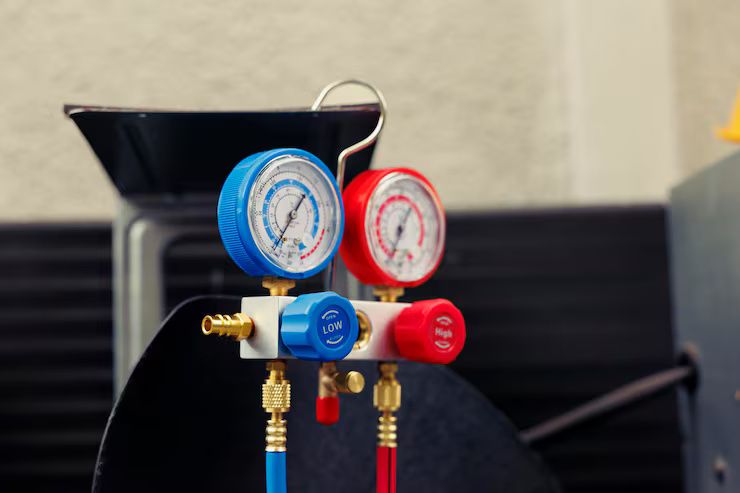
Modern pressure transmitters use technologies like piezoresistive sensors, capacitive sensors, and strain gauges to deliver precise readings. They are integral to automation systems and digital monitoring platforms across industrial sectors.
Importance
Pressure transmitters play a vital role in industrial automation, safety monitoring, and process optimization.
Why Pressure Transmitters Matter
-
Accuracy and Reliability: Provide consistent pressure readings critical for system efficiency.
-
Safety Assurance: Detect abnormal pressure variations, preventing equipment damage and accidents.
-
Energy Efficiency: Optimize pump and compressor performance, reducing energy waste.
-
Remote Monitoring: Enable digital data transfer to control rooms or SCADA systems.
-
Compliance: Help industries meet regulatory standards related to equipment safety and environmental protection.
By offering real-time visibility and control, pressure transmitters ensure smooth operations and contribute to predictive maintenance strategies.
Recent Updates
The pressure transmitter market in 2024–2025 is witnessing rapid transformation driven by smart technology integration and industry digitalization.
Latest Developments
-
Smart & Wireless Transmitters (2024): Increased adoption of IoT-enabled and Bluetooth-based transmitters allows remote calibration and monitoring.
-
Miniaturization Trends: Manufacturers are developing compact transmitters for confined spaces and mobile systems.
-
Advanced Materials: Use of corrosion-resistant alloys and ceramics improves durability in harsh environments.
-
AI-Based Predictive Maintenance (2025): Integration with AI algorithms enables automatic fault detection and performance optimization.
-
Sustainability Focus: The trend toward energy-efficient, eco-friendly sensor systems aligns with global sustainability goals.
-
Industry 4.0 Integration: Pressure transmitters are increasingly part of automated control systems connected via Industrial Internet of Things (IIoT).
These innovations reflect the shift from analog measurement systems to digital, intelligent, and networked instrumentation.
Laws or Policies
Pressure transmitters are regulated by international safety, quality, and calibration standards to ensure reliability and compliance in industrial environments.
Key Standards and Regulations
-
IEC 61508 / ISO 13849: Define functional safety for electrical and electronic equipment.
-
ATEX and IECEx Certifications: Govern equipment used in explosive atmospheres such as oil refineries.
-
RoHS and REACH Compliance: Ensure transmitters are environmentally safe and free from hazardous materials.
-
BIS Standards (India): The Bureau of Indian Standards regulates pressure and flow instruments for industrial use.
-
EPA and OSHA Regulations (USA): Emphasize pressure monitoring and emission control in process industries.
-
Calibration Guidelines: National Metrology Institutes (like NPL, UKAS, or NABL) require traceability in pressure calibration procedures.
Adhering to these standards ensures precision, safety, and reliability in operations across critical industries.
Tools and Resources
There are several reliable tools, software platforms, and references that support learning and maintenance related to pressure transmitters.
| Category | Tool / Platform | Purpose / Function |
|---|---|---|
| Simulation & Calibration Software | Emerson AMS, Yokogawa FieldMate, Honeywell SmartLine | Calibration, configuration, and diagnostics |
| Learning Platforms | Coursera, edX, NPTEL | Instrumentation and process control courses |
| Technical Reference Sites | ISA (International Society of Automation), IEEE Xplore | Research papers and engineering standards |
| Design & Monitoring Tools | MATLAB, LabVIEW, Wonderware | Real-time pressure data analysis and visualization |
| Data Sheets & Manuals | Siemens, ABB, WIKA | Detailed specifications and installation guides |
Practical Tips
-
Ensure proper sensor placement for accurate readings.
-
Regularly calibrate transmitters as per manufacturer or regulatory schedules.
-
Protect transmitters from vibration, corrosion, and electrical interference.
-
Use digital HART communication for diagnostics and remote parameter tuning.
These resources and practices help improve the reliability and longevity of pressure measurement systems.
Types of Pressure Transmitters
| Type | Description | Common Applications |
|---|---|---|
| Absolute Pressure Transmitter | Measures pressure relative to a perfect vacuum. | Aerospace, weather monitoring |
| Gauge Pressure Transmitter | Measures pressure relative to ambient atmosphere. | Process industries, hydraulics |
| Differential Pressure Transmitter | Compares pressure between two points. | Flow and level measurement |
| Multivariable Transmitter | Measures multiple parameters (pressure, temperature, flow). | Power plants, oil & gas |
| Smart Pressure Transmitter | Digital device with self-diagnostics and communication capabilities. | Automated manufacturing, IIoT networks |
Understanding the right type helps engineers select the optimal transmitter for accuracy, environment, and process needs.
Working Principle
The basic working mechanism of a pressure transmitter involves three stages:
-
Pressure Detection: The process pressure acts on a sensing element such as a diaphragm or strain gauge.
-
Signal Conversion: The mechanical pressure is converted into an electrical signal (usually mV, mA, or V).
-
Signal Transmission: The output is transmitted to a control system or display unit via wired or wireless networks.
Modern transmitters may include microprocessors to process and linearize the output signal, ensuring enhanced precision and stability.
Application Areas
Pressure transmitters are used across numerous industrial sectors.
| Industry | Application Example |
|---|---|
| Oil & Gas | Monitoring pipeline and wellhead pressure |
| Power Generation | Steam and boiler pressure measurement |
| Water Treatment | Filtration system monitoring |
| Chemical & Pharmaceutical | Reactor and tank pressure control |
| Automotive Manufacturing | Hydraulic and pneumatic systems |
| HVAC Systems | Air pressure control in ventilation systems |
Their widespread use reflects their importance in maintaining operational safety and efficiency.
FAQs
Q1. What is the difference between a pressure transmitter and a pressure sensor?
A pressure sensor measures pressure directly, while a transmitter converts the measured value into a standard electrical output signal for control systems.
Q2. How often should a pressure transmitter be calibrated?
Typically, calibration is performed annually or based on operating conditions and manufacturer recommendations.
Q3. Can pressure transmitters work in high-temperature environments?
Yes, but they require temperature compensation and special materials to handle heat and vibration effectively.
Q4. What is the output signal of a pressure transmitter?
Common output types include 4–20 mA current loops, 0–10 V voltage signals, or digital HART communication.
Q5. How do wireless pressure transmitters work?
They transmit real-time pressure data through Bluetooth, Wi-Fi, or proprietary RF protocols to remote monitoring systems.
Conclusion
Pressure transmitters are crucial for maintaining industrial efficiency, safety, and quality control. From traditional analog devices to modern IoT-enabled systems, they’ve become an integral part of smart manufacturing and process automation.
With rapid technological advancements such as AI integration, predictive diagnostics, and digital networking, pressure transmitters are evolving into intelligent tools that not only measure but also optimize operational performance.
Understanding their working principles, applications, and standards empowers professionals to design reliable systems and make informed choices in industrial instrumentation.