Learn About Resin Art: Discover Tips, Facts, and Informative Resources
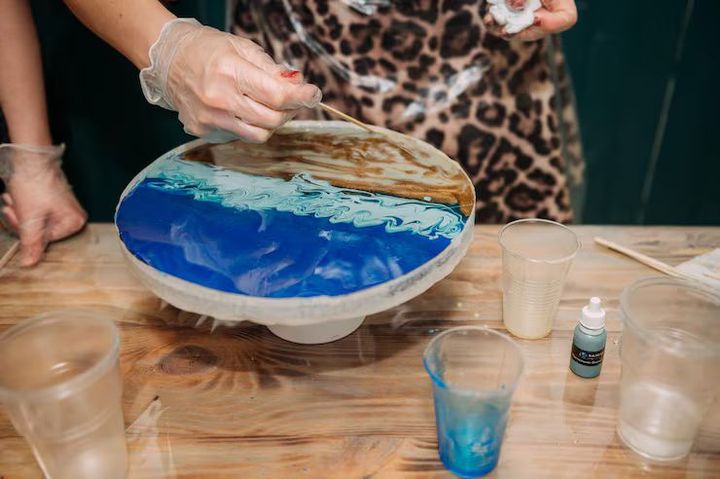
Resin art is a modern art form that uses epoxy or polyester resin—a liquid compound that hardens into a clear, glossy, and durable finish—to create decorative and functional pieces. Artists use resin to craft paintings, jewelry, tabletops, coasters, sculptures, and more.
The process involves mixing resin with a hardener in specific ratios, adding pigments or additives, and pouring the mixture onto surfaces or into molds. Once cured, the artwork becomes smooth, glass-like, and waterproof.
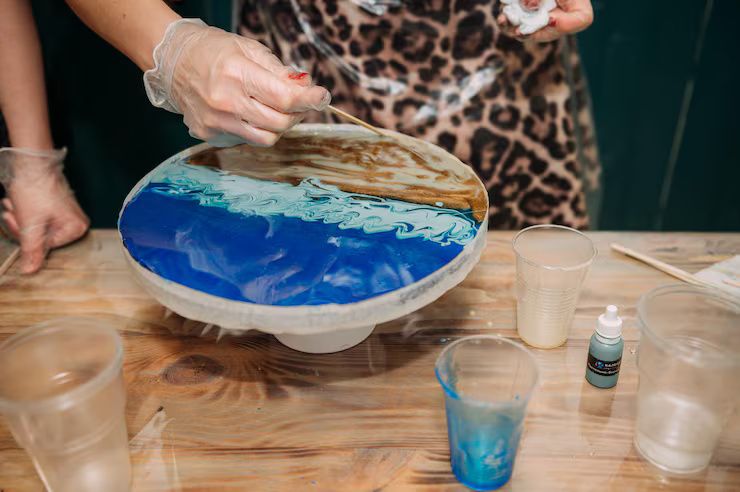
Resin art gained popularity in the early 2000s due to its unique visual depth, glossy finish, and ability to preserve color and texture. With the rise of DIY and social media art communities, resin art has evolved from a niche hobby into a professional craft and design trend.
Importance
Resin art matters because it combines science, craftsmanship, and creativity. It appeals to both hobbyists and professionals seeking durable, aesthetic, and customizable art forms.
Why Resin Art Is Important
-
Versatility: Can be used on canvas, wood, metal, glass, and silicone molds.
-
Durability: Finished pieces resist water, scratches, and UV light.
-
Creative Expression: Allows artists to experiment with color, depth, and abstract effects.
-
Preservation: Can encapsulate natural items like flowers, shells, or photos.
-
Functional Art: Used to create furniture, home décor, and jewelry.
Beyond aesthetics, resin art has become a therapeutic and entrepreneurial outlet, offering opportunities for creative expression and small business ventures.
Recent Updates
The resin art industry in 2024–2025 has seen remarkable innovation, especially in sustainability, safety, and artistic diversity.
Key Trends and Developments
-
Eco-Friendly Resins (2024): Introduction of bio-based and non-toxic epoxy resins made from plant-derived materials.
-
UV-Resistant Formulas: Advanced coatings resist yellowing and color fading from sunlight exposure.
-
Digital Resin Printing: 3D resin printing has expanded creative boundaries in jewelry and sculpture design.
-
Resin Art Workshops (2025): Increasing global interest in online resin art tutorials and courses.
-
Recycling and Reuse: Artists now promote responsible disposal and reuse of resin waste.
-
Smart Pigments: Use of thermochromic and photo-reactive powders that change color under light or heat.
These innovations show how resin art continues to blend creativity with material science while adapting to environmental and safety concerns.
Laws or Policies
While resin art is typically an artistic activity, it falls under chemical safety and environmental guidelines because resins contain reactive substances.
Safety and Regulatory Standards
-
OSHA (Occupational Safety and Health Administration, USA): Regulates safe handling of epoxy resins and hardeners.
-
REACH (European Union): Ensures chemicals used in art materials are tested for human and environmental safety.
-
EPA (Environmental Protection Agency): Governs the disposal and emissions of resin-based materials.
-
Hazard Communication Standards: Mandate labeling and Material Safety Data Sheets (MSDS) for all resin products.
-
Local Waste Regulations: Require proper curing before disposal to avoid chemical contamination.
Artists should follow protective measures—wearing gloves, masks, and working in ventilated areas—to ensure safe resin handling and compliance with environmental norms.
Tools and Resources
Having the right tools and information is essential for creating high-quality resin art safely and effectively.
| Category | Tool / Resource | Purpose / Use Case |
|---|---|---|
| Mixing Tools | Silicone cups, wooden stir sticks | Combining resin and hardener evenly |
| Safety Gear | Nitrile gloves, respirator mask, apron | Protection from fumes and contact |
| Heat Tools | Heat gun, torch | Remove bubbles from resin surface |
| Molds & Surfaces | Silicone molds, wood panels, canvas | Base materials for resin pouring |
| Pigments & Additives | Mica powder, alcohol ink, glitter | Add color and effects |
| Learning Platforms | Skillshare, YouTube, Udemy | Tutorials on resin art techniques |
| Industry Associations | Resin Art World, IEA (International Epoxy Association) | Safety guidelines and creative trends |
Practical Tips
-
Measure resin and hardener accurately (usually 1:1 ratio) to ensure proper curing.
-
Mix slowly to minimize air bubbles.
-
Work in a dust-free environment with good airflow.
-
Use a level surface when pouring resin.
-
Allow at least 24–48 hours for curing before handling your artwork.
Consistent technique and safety practices lead to professional-quality finishes and longer-lasting art pieces.
Types of Resin Used in Art
| Resin Type | Characteristics | Common Uses |
|---|---|---|
| Epoxy Resin | Clear, glossy, durable, self-leveling | Coasters, tables, paintings |
| Polyester Resin | Hard, fast-curing, less expensive | Sculptures, molds, crafts |
| UV Resin | Cures under UV light, minimal setup | Jewelry, small molds, quick fixes |
| Bio-Based Resin | Eco-friendly, low odor | Sustainable art and décor |
Each type has different curing times, viscosities, and safety precautions, so selecting the right one depends on your project’s size, finish, and purpose.
Working Process of Resin Art
Creating resin art involves both creative planning and precise technique.
-
Prepare the Workspace: Cover surfaces with plastic or silicone mats.
-
Measure and Mix: Combine resin and hardener according to the manufacturer’s ratio.
-
Add Pigments: Blend in colors, glitter, or powders for visual effects.
-
Pouring: Spread the resin evenly over a surface or mold.
-
Bubble Removal: Use a torch or heat gun to remove air bubbles.
-
Curing: Let the piece sit undisturbed for 24–72 hours.
-
Finishing Touches: Sand edges, polish surfaces, or add protective coatings.
A consistent curing temperature (around 22–25°C) ensures smooth texture and prevents uneven hardening.
Applications of Resin Art
Resin art has become popular in both home décor and commercial design due to its versatility.
| Application | Description |
|---|---|
| Wall Art and Paintings | Abstract pours, ocean waves, and geode designs |
| Furniture Design | River tables, countertops, resin-inlay furniture |
| Jewelry and Accessories | Pendants, earrings, rings with embedded elements |
| Souvenirs & Gifts | Customized coasters, trays, bookmarks |
| Industrial Design | Prototypes, coatings, and design models |
These applications demonstrate how resin art blends functionality and aesthetics in modern design.
FAQs
Q1. What is the best resin for beginners?
Epoxy resin is ideal for beginners due to its easy mixing ratio, clarity, and forgiving cure time.
Q2. Is resin art safe?
Yes, when handled properly. Always use gloves, masks, and good ventilation to avoid inhaling fumes or skin contact.
Q3. How long does resin take to cure?
Most epoxy resins cure within 24 to 72 hours, depending on humidity and temperature.
Q4. Can resin art yellow over time?
Some resins may yellow if exposed to UV light; using UV-stable epoxy prevents discoloration.
Q5. What surfaces work best for resin art?
Wood panels, silicone molds, and sealed canvases provide stable, non-porous surfaces for resin pouring.
Conclusion
Resin art is an inspiring fusion of creativity and chemistry—offering endless possibilities for artists and designers. With its glossy aesthetic, durability, and versatility, it continues to gain global attention across art, décor, and fashion industries.
Understanding the materials, safety standards, and techniques behind resin art empowers creators to explore new textures, effects, and sustainable approaches. Whether you’re an aspiring artist or a professional craftsman, mastering resin art can open doors to artistic innovation and creative entrepreneurship.