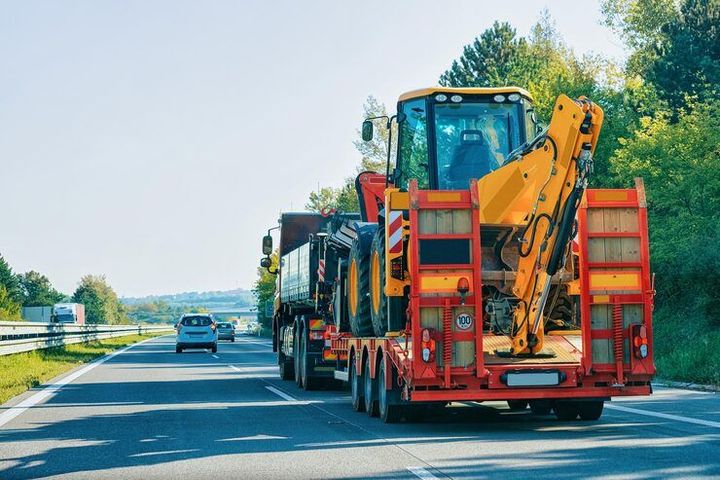
Heavy Equipment Transport Knowledge: Routes, Permits, and Risk Management
Heavy equipment transport refers to the organized movement of large, heavy, and oversized machinery from one location to another. This includes equipment commonly used in construction, mining, agriculture, energy, and infrastructure projects. These machines are often too large or heavy for standard road transport, requiring specialized planning and compliance with transport regulations.
The concept exists because modern industries rely on mobile machinery. Projects frequently shift locations, and equipment must follow. Transporting this machinery safely and legally ensures that operations continue without interruption while minimizing risks to public infrastructure and road users.
Heavy equipment transport combines engineering principles, logistics coordination, route analysis, and regulatory compliance. Each movement is planned to balance safety, efficiency, and legal requirements.
Why Heavy Equipment Transport Matters Today
Heavy equipment transport plays a critical role in global and regional development. As infrastructure projects expand and industrial activities grow, the movement of large machinery becomes more frequent and complex.
This topic matters because it affects:
-
Public road safety and traffic flow
-
Infrastructure durability, including bridges and highways
-
Project timelines for construction and industrial development
-
Environmental and noise considerations in urban areas
Without proper transport planning, oversized loads can cause delays, infrastructure damage, or safety incidents. For governments and private organizations alike, understanding this process helps reduce risks and ensures smoother execution of large-scale projects.
Key challenges addressed include:
-
Managing extreme weight and size limits
-
Preventing road and bridge damage
-
Coordinating across multiple jurisdictions
-
Ensuring operator and public safety
Recent Developments and Industry Trends (2025–2026)
Over the past year, heavy equipment transport has seen notable changes driven by technology, policy updates, and infrastructure modernization.
Key updates include:
-
2025: Increased use of GPS-based route simulation tools to identify bridge load limits and clearance issues in advance.
-
Early 2026: Several countries updated oversized load guidelines to align with modern vehicle configurations and axle-load calculations.
-
2025–2026: Growing adoption of digital permit systems, reducing paperwork and improving approval timelines.
-
Late 2025: Infrastructure authorities expanded real-time road condition monitoring to support safer transport planning.
These developments reflect a broader shift toward data-driven transport planning and improved regulatory coordination.
Laws, Regulations, and Policy Influence
Heavy equipment transport is tightly regulated due to its potential impact on public infrastructure and safety. Regulations vary by country and region, but most frameworks focus on weight limits, vehicle dimensions, and route approvals.
Common regulatory areas include:
-
Maximum gross vehicle weight limits
-
Axle load distribution standards
-
Height, width, and length restrictions
-
Mandatory route permits for oversized loads
-
Time-of-day movement restrictions in urban zones
In countries like India, the United States, and members of the European Union, transport authorities frequently update rules to reflect new infrastructure capabilities and safety research. Compliance with these regulations helps protect roads, bridges, and surrounding communities.
Planning Tools and Informational Resources
Accurate planning is essential for heavy equipment transport. Several informational tools and resources support this process by improving accuracy and reducing uncertainty.
Commonly used resources include:
-
Route clearance analysis platforms
-
Bridge load rating databases
-
Digital permit application portals
-
Load distribution calculators
-
Road condition and traffic advisory dashboards
These tools support informed decision-making and help transport planners understand constraints before movement begins.
Key Components of Heavy Equipment Transport
Equipment Classification
-
Construction machinery
-
Agricultural equipment
-
Mining and drilling systems
-
Industrial processing units
Transport Methods
-
Modular trailers
-
Low-bed and multi-axle platforms
-
Rail-assisted movement for long distances
-
Combination road-rail strategies
Risk Factors
-
Road geometry limitations
-
Weather conditions
-
Infrastructure age and capacity
-
Human error during loading or unloading
Comparative Overview Table
| Factor | Standard Transport | Heavy Equipment Transport |
|---|---|---|
| Vehicle Size | Standard | Oversized and specialized |
| Route Planning | Minimal | Highly detailed |
| Regulatory Oversight | Limited | Extensive |
| Infrastructure Impact | Low | High if unmanaged |
| Safety Requirements | Basic | Advanced |
Frequently Asked Questions
What types of equipment require special transport planning?
Any machinery exceeding standard vehicle weight or dimension limits requires advanced planning, including permits and route analysis.
How are routes selected for heavy equipment transport?
Routes are chosen based on road width, bridge load limits, overhead clearance, traffic density, and regulatory restrictions.
Are regulations the same across all regions?
No. Regulations vary by country, state, and even local authority. Transport planning must account for each jurisdiction involved.
Why is axle load distribution important?
Proper axle distribution reduces pressure on roads and bridges, lowering the risk of structural damage and improving stability.
How has technology improved heavy equipment transport?
Digital mapping, real-time traffic data, and automated permit systems have increased accuracy and reduced planning errors.
Conclusion
Heavy equipment transport is a foundational element of modern infrastructure and industrial development. It exists to support the safe and efficient movement of large machinery that cannot be handled through standard transport methods. As industries expand and projects grow more complex, the importance of informed transport planning continues to rise.
Recent advancements in digital tools and regulatory updates have improved transparency and safety, but the core principles remain unchanged: careful planning, compliance with laws, and respect for public infrastructure. Understanding these fundamentals helps stakeholders make informed decisions while supporting sustainable development.