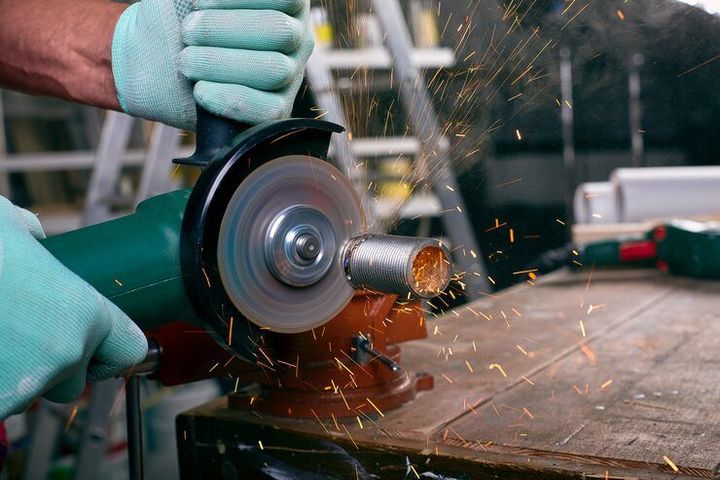
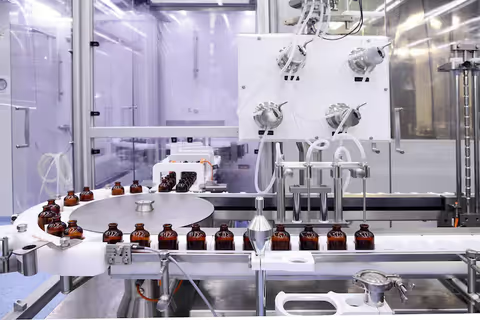
These machines exist to solve a common challenge in advanced manufacturing technology: achieving tight tolerances and smooth finishes that traditional machining cannot provide. Industries such as automotive manufacturing, aerospace engineering, tool and die production, and metal fabrication depend heavily on CNC grinding machines for finishing operations.
Grinding technology has evolved from manual surface grinding machines to fully automated CNC grinding systems integrated with industrial automation platforms. Today, grinding plays a critical role in high-precision components such as engine parts, bearings, surgical instruments, and aerospace shafts.
Importance
Grinding machines matter because modern industries demand precision machining at micron-level tolerances. Even small dimensional deviations can impact product safety, performance, and durability.
Key sectors affected include:
-
Automotive manufacturing for crankshafts, camshafts, and gears
-
Aerospace engineering for turbine components
-
Medical device production for implants and surgical tools
-
Tool and die manufacturing for molds and precision tools
High-performance CNC grinding machines help solve challenges such as:
-
Surface irregularities
-
Material hardness processing
-
Thermal distortion control
-
Consistent batch production quality
As smart manufacturing systems expand globally, grinding machines are increasingly integrated with IoT sensors, predictive maintenance software, and AI-based quality monitoring. This improves operational efficiency and reduces machine downtime in industrial environments.
Types of Grinding Machines
Below is a simplified overview of common grinding machine types and their primary applications:
| Type of Grinding Machine | Primary Use | Industry Example |
|---|
| Surface Grinding Machine | Flat surface finishing | Tool and die manufacturing |
| Cylindrical Grinding Machine | External round components | Automotive shafts |
| Centerless Grinding Machine | Continuous high-volume production | Bearing manufacturing |
| Tool and Cutter Grinder | Sharpening cutting tools | Precision tooling industry |
| CNC Grinding Machine | Automated high-accuracy operations | Aerospace engineering |
Each machine type supports specific material properties, from hardened steel to advanced ceramics and composite materials.
Recent Updates
Over the past year, several developments have influenced the grinding machine industry:
In March 2025, multiple global manufacturing expos highlighted AI-driven CNC grinding systems capable of real-time process correction. These systems use machine learning algorithms to adjust feed rates and wheel pressure automatically.
In July 2025, industrial automation providers introduced upgraded digital twin software for precision machining lines. Digital twins allow manufacturers to simulate grinding operations before actual production, reducing errors and material waste.
By late 2025, sustainability trends also gained attention. Energy-efficient spindle motors and coolant recycling systems became a focus, especially in regions promoting carbon-neutral manufacturing policies.
The integration of Industry 4.0 frameworks continues to shape advanced manufacturing technology. Grinding machines are now commonly connected to centralized monitoring dashboards that track vibration, temperature, and wheel wear.
Laws and Policies
Grinding machine operations are influenced by industrial safety and environmental regulations. In India, factories operating grinding equipment must comply with the Factories Act, 1948, which outlines occupational safety requirements.
Workplace safety standards are also guided by the Occupational Safety and Health Administration in the United States. These regulations focus on:
Environmental compliance may involve guidelines from agencies such as the Central Pollution Control Board, especially concerning coolant disposal and industrial waste management.
Globally, ISO certifications such as ISO 9001 (quality management systems) and ISO 14001 (environmental management systems) influence how precision machining facilities operate.
Regulatory compliance ensures safe machine operation, worker protection, and responsible environmental practices.
Tools and Resources
Several tools and digital resources support grinding machine operations and learning:
-
CNC simulation software for virtual machining
-
CAD/CAM platforms for precision machining design
-
Predictive maintenance software for spindle monitoring
-
Abrasive wheel selection calculators
-
Industry knowledge portals such as the International Organization for Standardization website
-
Technical standards libraries for industrial automation
Below is a simplified comparison of digital tools used in smart manufacturing systems:
| Tool Type | Purpose |
|---|
| CAD Software | Component design modeling |
| CAM Software | Toolpath programming |
| Machine Monitoring Systems | Real-time machine data tracking |
| Digital Twin Platforms | Virtual process simulation |
These resources help manufacturers improve quality control, optimize production cycles, and reduce mechanical wear.
FAQs
What is the main function of a grinding machine?
A grinding machine removes material using an abrasive wheel to achieve high precision, fine surface finishes, and accurate dimensions in metal and non-metal components.
How is CNC grinding different from manual grinding?
CNC grinding machines use computer numerical control systems to automate movement, improve consistency, and reduce human error compared to manual operations.
Which industries use precision machining the most?
Automotive, aerospace, medical device manufacturing, and tool-making industries rely heavily on precision machining and abrasive machining processes.
Are grinding machines safe to operate?
When used according to industrial safety standards and proper machine guarding guidelines, grinding machines are considered safe. Training and protective equipment are essential.
What materials can be processed using grinding machines?
Common materials include hardened steel, cast iron, aluminum, ceramics, and some composite materials depending on abrasive wheel selection.
Conclusion
Grinding machines remain essential in modern precision machining and advanced manufacturing technology. From surface grinding machines to fully automated CNC grinding systems, these tools enable industries to achieve strict dimensional accuracy and high-quality finishes.
Recent developments in industrial automation, AI-driven monitoring, and sustainable engineering practices are reshaping how grinding machines operate. Compliance with safety laws and environmental policies ensures responsible production standards.
As smart manufacturing systems continue evolving, grinding technology will likely integrate further with digital platforms, predictive analytics, and energy-efficient designs. Understanding the basics, applications, and regulatory frameworks surrounding grinding machines helps industries and learners stay informed in an increasingly precision-driven manufacturing environment.