Fuel Cell Explained: Discover Electrochemical Principles, System Types, and Technical Knowledge
A fuel cell is an electrochemical energy conversion device that generates electricity through a chemical reaction between a fuel and an oxidizing agent, typically hydrogen and oxygen. Unlike combustion-based power generation, fuel cells convert chemical energy directly into electrical energy without burning fuel. This process results in higher efficiency and lower emissions compared to traditional thermal power systems.
Fuel cells exist to address limitations of conventional energy generation, such as energy losses due to heat conversion, environmental pollution, and reliance on fossil fuels. Early research into fuel cell technology began in the 19th century, but practical applications expanded significantly in the late 20th and early 21st centuries as demand for cleaner and more efficient energy solutions increased.
Today, fuel cells are used in transportation, stationary power generation, portable power systems, and research environments focused on sustainable energy development.
Importance: Why Fuel Cells Matter Today
Fuel cells matter because global energy systems are undergoing a transition toward lower-emission and higher-efficiency technologies. Fuel cells offer an alternative energy pathway that supports decarbonization and energy diversification.
Who relies on fuel cell technology
-
Energy research institutions
-
Transportation and mobility developers
-
Industrial power generation planners
-
Data centers and backup power designers
-
Clean energy policy and planning bodies
Key challenges fuel cells help address
-
Reduction of greenhouse gas emissions
-
Efficient conversion of chemical energy to electricity
-
Energy generation with minimal noise and vibration
-
Support for decentralized power systems
-
Reliable power generation in remote or sensitive environments
-
Integration with renewable energy sources
By enabling cleaner and more efficient power generation, fuel cells contribute to modern energy system resilience.
Recent Updates and Trends (2025–2026)
Fuel cell technology continues to advance through improvements in materials science, system integration, and infrastructure development.
Recent trends
-
Improved catalyst efficiency (2025): Reduced material intensity and improved performance.
-
Expansion of hydrogen-based systems (2025–2026): Greater focus on hydrogen infrastructure compatibility.
-
Durability and lifespan improvements (2025): Enhanced membrane and electrode stability.
-
Integration with renewable energy systems (2026): Coupling fuel cells with solar and wind energy.
-
Scaling of stationary fuel cell installations (2026): Increased deployment for continuous power applications.
These trends reflect ongoing efforts to improve efficiency, reliability, and scalability of fuel cell systems.
Laws and Policies Affecting Fuel Cell Technology
Fuel cell deployment is influenced by energy regulations, environmental policies, and safety standards.
Key regulatory considerations
-
Energy and emissions regulations: Influence fuel cell adoption in power and transport sectors.
-
Hydrogen handling and safety standards: Govern storage and transportation of fuel.
-
Electrical interconnection requirements: Apply to grid-connected fuel cell systems.
-
Environmental impact guidelines: Address lifecycle and operational considerations.
-
National clean energy strategies: Shape research and deployment priorities.
Compliance with these policies ensures safe and responsible implementation of fuel cell systems.
Tools and Resources Used in Fuel Cell Systems
Fuel cell development and operation rely on specialized technical tools and analytical resources.
System and Operational Tools
-
Fuel cell stack assemblies
-
Power conditioning and control units
-
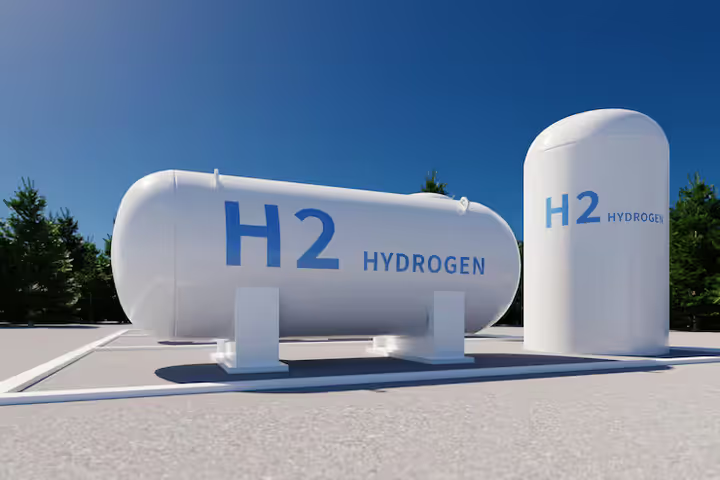
Hydrogen storage and delivery components
-
Thermal management systems
-
Performance monitoring and diagnostics tools
Research and Evaluation Resources
-
Electrochemical testing equipment
-
Material characterization tools
-
Simulation and modeling software
-
Safety and compliance documentation
-
System performance data analysis platforms
These tools support efficient design, operation, and evaluation of fuel cell systems.
Table: Common Types of Fuel Cells
| Fuel Cell Type | Primary Application |
|---|---|
| Proton Exchange Membrane Fuel Cell | Transportation and portable power |
| Solid Oxide Fuel Cell | Stationary power generation |
| Alkaline Fuel Cell | Specialized industrial and research use |
| Molten Carbonate Fuel Cell | Large-scale power applications |
| Phosphoric Acid Fuel Cell | Continuous stationary power |
| Direct Methanol Fuel Cell | Small portable devices |
Table: Key Components of a Fuel Cell System
| Component | Function |
|---|---|
| Anode | Fuel oxidation reaction |
| Cathode | Oxygen reduction reaction |
| Electrolyte | Ion transport medium |
| Catalyst | Accelerates electrochemical reactions |
| Bipolar Plates | Distribute gases and current |
| Control System | Regulates operation and output |
Fuel Cell Operating Workflow Overview
A typical fuel cell operating workflow includes:
-
Fuel Supply
Fuel is delivered to the anode side of the cell. -
Electrochemical Reaction
Fuel reacts at the anode, releasing electrons. -
Electron Flow
Electrons travel through an external circuit, generating electricity. -
Ion Transport
Ions move through the electrolyte to the cathode. -
Oxygen Reaction
Oxygen combines with ions and electrons to form byproducts. -
Power Output Management
Electrical output is conditioned and supplied to the load.
This workflow enables continuous and efficient electricity generation.
FAQs
1. What is a fuel cell?
It is an electrochemical device that generates electricity from a fuel without combustion.
2. What fuels are commonly used in fuel cells?
Hydrogen is most common, though other fuels can be used in specific systems.
3. Are fuel cells environmentally friendly?
They produce low emissions during operation, especially when using clean fuels.
4. Can fuel cells operate continuously?
Yes. They can generate power as long as fuel is supplied.
5. Are fuel cells used only for electricity generation?
They are also used in transportation and combined heat and power applications.
Conclusion
Fuel cells represent an important clean energy technology that converts chemical energy directly into electricity with high efficiency and low emissions. By avoiding combustion and enabling flexible deployment across transportation, stationary, and portable applications, fuel cells address key challenges in modern energy systems. Recent advancements in materials, durability, and system integration have further improved their performance and scalability. Supported by regulatory frameworks, structured operating workflows, and specialized technical tools, fuel cells continue to play a significant role in the global transition toward more sustainable and resilient energy solutions.