Extrusion Machine Explained: Discover Core Concepts, Practical Insights, and Helpful Resources
Extrusion machines are widely used in manufacturing for producing continuous, uniform products by pushing raw material through a shaped die. This process exists to create consistent shapes such as pipes, sheets, profiles, films, wires, structural components, and engineered materials. Extrusion supports industries like plastics, food processing, rubber, construction, automotive, and metalworking. As manufacturing processes evolve, extrusion continues to be a major method for shaping, forming, and refining materials efficiently and accurately.
Context
An extrusion machine works by heating or compressing material and forcing it through a specially designed die to achieve a predetermined shape. The core idea is to convert raw material into a continuous profile with uniform properties. The process is applicable across multiple material types including plastics, aluminum, rubber, polymers, and food ingredients.
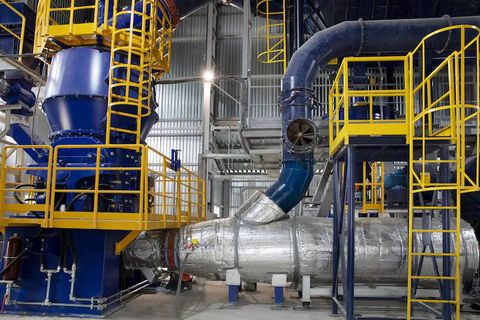
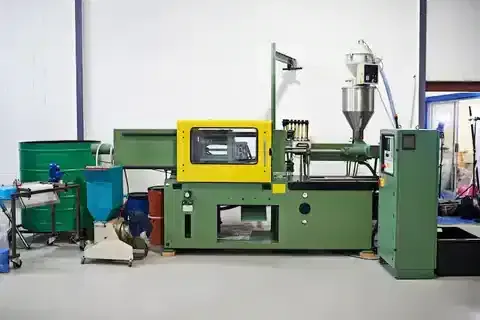
Extrusion machines typically include:
-
Feed system to supply raw material
-
Barrel and heating elements that condition the material
-
Screw mechanism that pushes material forward
-
Die assembly that shapes the final product
-
Cooling and cutting units that stabilize and size the output
The machine can operate in hot, cold, or room-temperature conditions depending on the material. It is valued for its ability to create products with precision, repeatability, and consistent characteristics. Continuous production also makes extrusion suitable for large-volume manufacturing.
Importance
Extrusion machines matter today because they support high-demand industries that require stable quality, structural strength, and uniform dimensions. As markets expand for packaging materials, engineered plastics, sustainable materials, building components, and flexible products, extrusion plays a vital role in meeting production needs.
Key reasons extrusion machines are important:
-
Support large-scale manufacturing with continuous production
-
Enable customization through adjustable dies and material blends
-
Improve product consistency by maintaining uniform flow and shape
-
Reduce material waste through controlled processing
-
Allow the use of recycled or eco-friendly materials
-
Support innovation in multi-layered, textured, or composite designs
Extrusion technologies also help industries move toward energy-efficient production and materials optimization. This makes extrusion valuable for manufacturing, engineering design, sustainable materials development, and mass production systems.
Recent Updates
The extrusion sector has seen multiple updates in 2024–2025 with advancements in automation, control systems, safety improvements, and material research. These developments help manufacturers increase precision, reduce resource consumption, and enhance product quality.
Key recent updates include:
-
Growing use of AI-assisted temperature control for consistent melt behavior (2024–2025)
-
Introduction of energy-efficient screw designs that reduce power consumption
-
Development of multi-layer extrusion technology for packaging and engineered materials
-
Improved digital monitoring systems that track pressure, flow rate, and heat distribution
-
Stronger focus on recyclable and biodegradable materials in extrusion processes
-
Upgraded safety standards aligning with automated production lines
-
Use of real-time sensors for alignment, die pressure, and material viscosity
Many industries now use advanced simulation tools to test flow patterns before production, helping optimize product quality and minimize material inefficiencies.
Laws or Policies
Extrusion machines are influenced by manufacturing regulations, safety policies, environmental rules, and material standards. These policies differ by country but generally focus on quality, worker protection, and environmental compliance.
Key policy areas include:
Manufacturing Safety Regulations
-
Requirements for protective guards
-
Emergency shutdown mechanisms
-
Standards for temperature and pressure safety
-
Guidelines for operator training
Material and Product Standards
-
Rules for plastic, rubber, and polymer quality
-
Requirements for metal extrusion in structural components
-
Food-grade material standards for extrusion systems
Environmental Regulations
-
Emission control policies
-
Waste-management guidelines
-
Energy-efficiency standards
-
Rules for recyclable or biodegradable materials
Machine Compliance and Certification
-
Electrical and mechanical safety checks
-
Quality-assurance guidelines
-
Documentation requirements for calibration and testing
These policies ensure extrusion operations maintain safety, product integrity, and environmental responsibility across all production stages.
Tools and Resources
Several tools and resources support extrusion machine operation, monitoring, and improvement. These tools help optimize performance, design custom profiles, and enhance production efficiency.
Digital Tools and Monitoring Systems
-
Temperature-control modules
-
Pressure-monitoring dashboards
-
Flow-rate sensors
-
Real-time melt-quality analyzers
-
Data-logging systems for output stability
Design and Simulation Tools
-
Die-design software
-
Flow-simulation programs
-
Material-behavior modeling tools
-
Extrusion profile-visualization tools
Production Support Resources
-
Guidelines for screw design selection
-
Material data sheets
-
Processing charts
-
Machine calibration templates
Learning and Knowledge Resources
-
Training guides on extrusion principles
-
Safety manuals
-
Troubleshooting references
-
Performance-optimization tutorials
These tools help operators improve process accuracy, minimize variability, and achieve stable output quality.
Table: Types of Extrusion Processes
| Extrusion Type | Description | Common Applications |
|---|---|---|
| Hot Extrusion | Material heated for easier flow | Aluminum profiles, structural parts |
| Cold Extrusion | Material shaped at room temperature | Fasteners, mechanical components |
| Plastic Extrusion | Heat-melted polymers shaped through a die | Pipes, films, profiles, sheets |
| Rubber Extrusion | High-elasticity materials shaped for durability | Seals, gaskets, hoses |
| Food Extrusion | Ingredients shaped under pressure and heat | Snacks, cereals, pasta |
Table: Major Components of an Extrusion Machine
| Component | Function | Practical Insight |
|---|---|---|
| Hopper | Feeds raw material | Stable flow improves consistency |
| Screw | Pushes and blends material | Geometry affects melt quality |
| Barrel | Houses heating zones | Precise heat control prevents defects |
| Die | Shapes final product | Die design determines accuracy |
| Cooling Unit | Stabilizes formed product | Ensures uniform dimensions |
FAQs
What is an extrusion machine?
An extrusion machine is equipment that forces raw material through a shaped die to create continuous products such as pipes, sheets, profiles, or food items.
How does an extrusion machine work?
Material enters the machine through a hopper, is pushed forward by a rotating screw, heated or compressed based on the process, and shaped through a die to form a uniform profile.
Which materials can be processed in extrusion?
Common materials include plastics, aluminum, rubber, polymers, food ingredients, and composite blends.
Why is extrusion widely used in manufacturing?
It supports continuous production, improves product uniformity, enables customization, and reduces material waste.
Do extrusion machines require specialized tools?
While basic operation is possible without advanced tools, digital monitoring, simulation software, and modern control systems enhance accuracy and product quality.
Conclusion
Extrusion machines play a vital role in modern manufacturing by enabling the efficient shaping of materials into continuous and uniform profiles. Their design supports high-output production, customizable shapes, and consistent results across a wide range of materials. Recent advancements in automation, material science, and monitoring technology have strengthened the accuracy and effectiveness of extrusion processes.
Understanding the concepts, structure, policies, and helpful resources associated with extrusion machinery offers valuable insights into its role in manufacturing, engineering, and industrial development. As industries continue to evolve, extrusion remains a cornerstone process that supports innovation and production stability.