Cryogenic Equipment Knowledge Guide: Insights, Fundamentals, Helpful Tips, and Resources
Cryogenic equipment refers to specialized systems designed to store, handle, and transport materials at extremely low temperatures, typically below –150°C. These low-temperature conditions are necessary to preserve biological samples, store liquefied gases, maintain superconducting environments, and support industrial processes that require deep cooling. The field exists because many scientific, medical, and industrial applications depend on materials behaving in unique ways at cryogenic temperatures
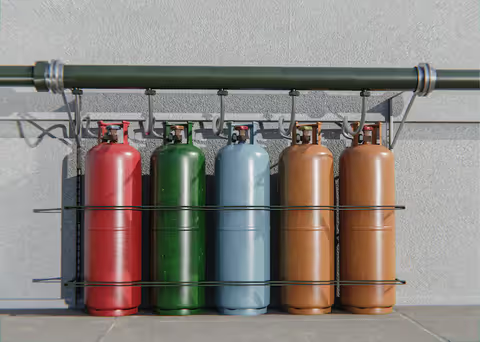
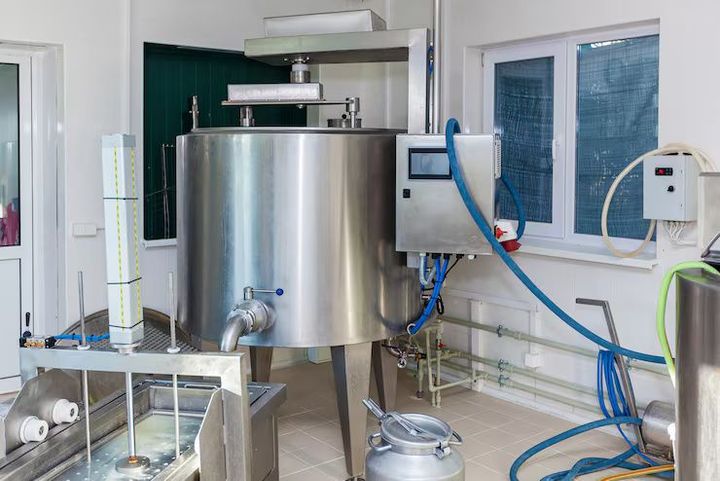
Common cryogenic materials include liquid nitrogen, liquid helium, liquid hydrogen, and liquid oxygen. These substances require insulated vessels, specialized piping, pressure-controlled systems, and safety features to prevent heat transfer, evaporation, or pressure buildup. Cryogenic equipment includes storage tanks, dewars, transfer lines, valves, pumps, refrigerators, and temperature monitoring systems.
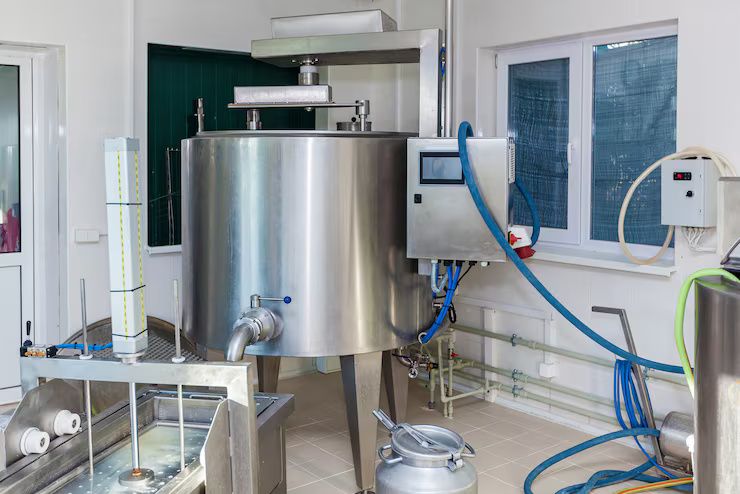
Over time, cryogenic technology has evolved from basic insulated containers to advanced systems incorporating vacuum-jacketed insulation, digital monitoring, and automated temperature control. Today, cryogenic equipment plays a central role in medical laboratories, semiconductor manufacturing, aerospace engineering, scientific research, and energy applications.
Importance
Cryogenic equipment is important because it enables processes that cannot be carried out at normal temperatures. These systems support essential activities in fields like healthcare, space exploration, scientific research, electronics, energy, and advanced manufacturing.
Key reasons cryogenic equipment matters:
-
It preserves biological samples used in medical research, fertility treatments, and pharmaceutical applications.
-
It stores liquefied gases required for welding, metal fabrication, food processing, and industrial cooling.
-
It maintains ultra-low temperatures needed for superconductivity and quantum research.
-
It supports fuel storage in aerospace applications, including space launch systems.
-
It enables cryogenic grinding, cryogenic separation, and temperature-dependent material processing.
-
It ensures safe handling of volatile or high-purity gases used in critical industries.
Cryogenic equipment affects researchers, medical professionals, laboratory managers, industrial operators, engineers, and energy professionals. By enabling stable low-temperature environments, these systems help maintain the integrity and performance of delicate materials, equipment, and scientific experiments.
Recent Updates
Between 2024 and 2025, cryogenic technology advanced in areas involving insulation materials, digital monitoring, energy efficiency, and storage innovation.
Recent Trends and Updates
-
Improved vacuum-insulated systems (2024): New multilayer insulation and vacuum jacket designs reduce boil-off and extend storage duration.
-
Growth in cryogenic supply technology for space applications (2024–2025): Developments support emerging commercial space missions requiring liquid hydrogen and liquid oxygen storage.
-
Expansion of cryogenic freezers in medical sectors (2025): Healthcare facilities increasingly rely on advanced cryogenic freezers for research and biological sample preservation.
-
Digital sensing and remote monitoring (2024): Sensors track temperature, humidity, pressure, and liquid levels in real time, supporting safer operation.
-
Low-loss transfer lines (2024): Enhanced piping systems minimize evaporation during cryogenic liquid movement.
-
Rise of cryogenic energy storage systems (2025): Research expands into liquid air energy storage and other low-temperature, high-efficiency concepts.
-
New composite materials for extreme temperatures (2024): Improved durability and lighter-weight designs support transportation of cryogenic gases.
-
Advancements in helium recovery systems (2025): Efficient recovery helps reduce waste of valuable cryogenic resources used in laboratories and MRI systems.
These developments highlight a shift toward higher efficiency, improved safety, and greater integration with digital monitoring and advanced scientific applications.
Laws or Policies
Cryogenic equipment is regulated by standards that address safety, pressure control, transportation, and environmental responsibility. Regulations vary by region but share similar core principles.
Key Regulatory Areas Affecting Cryogenic Equipment
-
Pressure vessel safety: Cryogenic tanks and piping must comply with strict pressure and structural integrity standards.
-
Transportation guidelines: Rules govern the safe transport of cryogenic gases, including labeling, handling, and vehicle requirements.
-
Storage and facility codes: Building regulations dictate ventilation, placement of tanks, insulation standards, and emergency response systems.
-
Material compatibility standards: Certain construction materials must be approved for extreme cold exposure.
-
Worker safety: Guidelines cover personal protective equipment, handling procedures, and training requirements.
-
Environmental compliance: Policies regulate emissions, waste disposal of cryogenic materials, and use of specific gases.
Common Standards and Requirements
-
ISO standards for cryogenic vessels and gas handling
-
ASME pressure vessel codes
-
European standards for gas storage and transport
-
National fire and safety codes for cryogenic installations
-
Laboratory safety guidelines for cryogenic fluids
-
Industry-specific standards for medical and aerospace cryogenic systems
These policies ensure that cryogenic equipment is operated safely and reliably, minimizing risks associated with extreme temperatures and high pressure.
Tools and Resources
Many tools and resources support cryogenic system design, monitoring, and analysis.
Useful Tools for Cryogenic Applications
-
Temperature and pressure monitoring systems: Provide continuous data to maintain safe operating conditions.
-
Cryogenic fluid calculators: Estimate liquid evaporation rates, storage duration, and transfer losses.
-
Material compatibility charts: Identify metals and plastics suitable for extremely cold temperatures.
-
Gas flow calculators: Determine flow rates in vacuum-insulated or ambient transfer lines.
-
Safety and hazard analysis tools: Evaluate risks associated with cryogenic fluid handling.
-
Thermal modeling software: Simulates heat transfer and insulation performance.
-
Inventory management dashboards: Track usage and storage levels of cryogenic liquids.
Knowledge and Training Resources
-
Cryogenics engineering handbooks
-
Safety guidelines for laboratory and industrial environments
-
Technical manuals from equipment manufacturers
-
Cryogenic fluid behavior references
-
Best-practice manuals for biological sample storage and handling
These tools and resources help operators maintain safe conditions, optimize system performance, and better understand cryogenic behavior.
FAQs
What is cryogenic equipment used for?
Cryogenic equipment is used to store, transport, and handle extremely low-temperature materials such as liquid nitrogen, helium, and oxygen for scientific, medical, and industrial purposes.
Why is insulation important in cryogenic systems?
Insulation prevents heat transfer from the environment, reducing evaporation, maintaining low temperatures, and ensuring operational safety.
How do cryogenic liquids behave differently from regular fluids?
Cryogenic liquids rapidly evaporate when exposed to heat, expand significantly as they warm, and can cause materials to become brittle at low temperatures.
What safety considerations are important when handling cryogenic materials?
Key considerations include proper ventilation, temperature monitoring, protective equipment, pressure control, and awareness of frostbite or oxygen-displacement hazards.
Which industries rely most on cryogenic equipment?
Industries include healthcare, electronics, aerospace, energy, industrial gases, materials research, and scientific laboratories.
Conclusion
Cryogenic equipment plays an essential role in modern science, industry, and healthcare by enabling the safe and efficient management of extremely low-temperature materials. These systems support critical applications ranging from biological preservation to space exploration and semiconductor manufacturing. With advancements in insulation, digital monitoring, material science, and energy storage, cryogenic technology continues to evolve.
Understanding system components, operational principles, regulatory influences, and practical safety measures helps operators and researchers maintain reliable and effective cryogenic environments. As global scientific and industrial demands grow, cryogenic equipment will remain indispensable for high-precision and advanced technological applications.