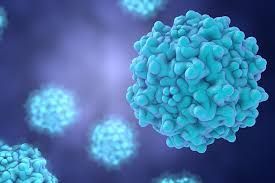
The main goal of a viral vector is not infection, but precision. It acts as a biological carrier that transports DNA or RNA into specific cells, helping scientists study genes, correct genetic disorders, or trigger immune responses. Viral vectors exist because traditional methods of gene delivery often fail to reach cells effectively or consistently.
In modern biology, viral vectors are essential tools in gene therapy, vaccine development, and molecular research. Their ability to deliver genetic instructions with accuracy makes them a foundational technology in life sciences.
Importance: Why Viral Vectors Matter Today
Viral vectors play a critical role in addressing some of today’s most complex health and scientific challenges. They directly affect fields such as medicine, biotechnology, pharmaceuticals, and academic research.
Key areas where viral vectors are important include:
-
Genetic disorder research and correction
-
Cancer immunotherapy development
-
Vaccine research and production
-
Neuroscience and brain disorder studies
-
Cell and gene-based medical research
Viral vectors help solve problems related to inefficient gene delivery, limited treatment options for inherited diseases, and the need for targeted biological interventions. Their use impacts patients, researchers, healthcare systems, and regulatory authorities worldwide.
The growing focus on precision medicine has further increased the relevance of viral vectors, as they enable personalized and targeted biological approaches rather than broad, non-specific treatments.
Recent Updates: Trends and Developments in the Past Year
Over the past year, viral vector research has continued to evolve, particularly in the areas of safety, scalability, and specificity.
Key developments observed during 2025–2026 include:
-
Improved viral vector engineering techniques that reduce immune system reactions
-
Increased use of adeno-associated viral vectors (AAVs) for neurological research
-
Expansion of lentiviral vector applications in cell-based therapies
-
Enhanced manufacturing standards to improve consistency and quality
-
Greater emphasis on long-term monitoring of gene expression outcomes
The trend is moving toward vectors that are more precise, less immunogenic, and capable of delivering larger genetic payloads. Regulatory agencies have also encouraged stronger documentation and post-application monitoring.
Laws or Policies: Regulatory Environment and Oversight
Viral vectors are subject to strict regulatory frameworks due to their biological nature and potential impact on human health.
In many countries, including India, the United States, and members of the European Union, viral vector research and application are regulated by:
-
National biosafety guidelines
-
Genetic engineering approval committees
-
Clinical research oversight bodies
-
Ethical review boards
Key regulatory focus areas include:
-
Biosafety level classification
-
Containment and handling protocols
-
Ethical approval for human-related studies
-
Data transparency and reporting
Government-supported research programs often provide structured guidance for viral vector development, especially in academic and public research institutions. Compliance with these regulations ensures safety, accountability, and public trust.
Tools and Resources: Helpful Platforms and Learning Aids
Several tools and resources support viral vector research and understanding. These tools focus on education, simulation, design, and compliance.
Commonly used resources include:
-
Gene vector design software platforms
-
Bioinformatics databases for viral genomes
-
Educational portals from research institutions
-
Regulatory guidance documents from health authorities
-
Scientific journals and open-access repositories
Example Resource Categories Table
| Resource Type | Purpose | Users |
|---|
| Design Tools | Vector structure planning | Researchers |
| Databases | Genome reference data | Scientists |
| Guidelines | Safety and compliance | Institutions |
| Journals | Peer-reviewed insights | Academics |
These resources help ensure accuracy, reproducibility, and adherence to scientific standards.
Visual Overview: Common Types of Viral Vectors
| Viral Vector Type | Key Feature | Typical Use |
|---|
| Adenovirus | High gene expression | Vaccine research |
| AAV | Long-term stability | Neurological studies |
| Lentivirus | Integrates into genome | Cell-based research |
| Retrovirus | Stable gene transfer | Molecular biology |
This comparison highlights how different vectors are chosen based on research goals.
FAQs: Common Questions About Viral Vectors
What makes a viral vector different from a natural virus?
A viral vector is genetically modified to remove disease-causing elements while retaining its ability to deliver genetic material safely.
Are viral vectors used only in medicine?
No. They are also used in basic research, biotechnology, agriculture studies, and molecular biology experiments.
How do scientists choose the right viral vector?
The choice depends on target cell type, duration of gene expression, safety profile, and research objectives.
Do viral vectors permanently change DNA?
Some vectors integrate into the genome, while others remain separate. The outcome depends on vector type and design.
Are viral vectors monitored after use?
Yes. Long-term observation and data collection are standard practices to evaluate safety and effectiveness.
Conclusion
Viral vectors are foundational tools in modern biological science, enabling precise delivery of genetic material for research and medical advancement. Their importance continues to grow as science moves toward targeted, data-driven biological solutions.
With ongoing innovation, stronger regulations, and expanding educational resources, viral vectors are becoming safer, more efficient, and more widely understood. For researchers, policymakers, and learners alike, understanding viral vectors is essential to grasp the future direction of genetics and biotechnology.
This guide provides clear knowledge, factual insights, and structured information to support learning and informed discussion about viral vectors in today’s scientific landscape