Beauty Clinics and Skin Care Treatments: An Overview of Modern Dermatology Practices
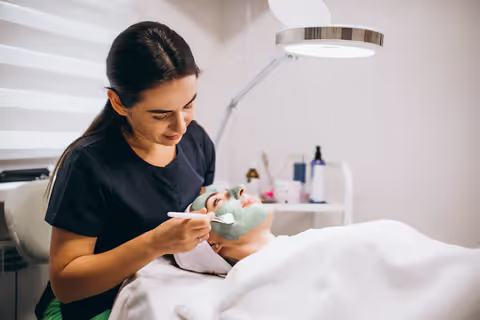
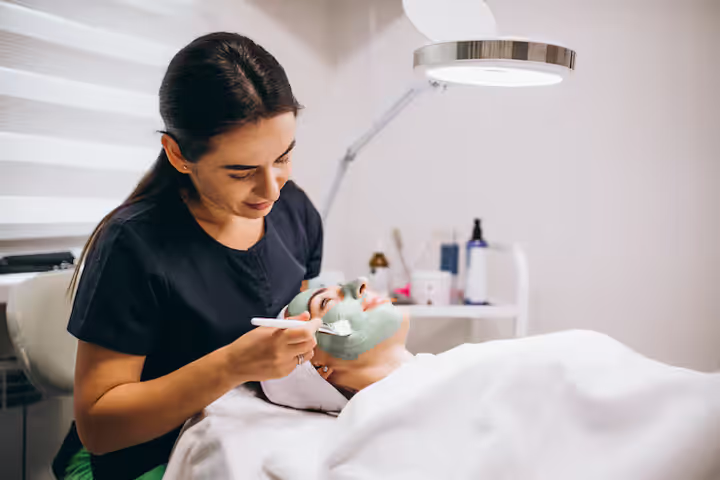
Beauty clinics and skin care treatments are specialized areas within dermatology and aesthetic medicine that focus on maintaining and improving skin health. These clinics combine medical dermatology knowledge with cosmetic procedures to address skin conditions such as acne, pigmentation, wrinkles, and uneven texture.
Over the past two decades, skin care clinics have expanded beyond basic cosmetic treatments. Many clinics now use advanced dermatology technology such as laser skin resurfacing, radiofrequency therapy, chemical peels, and diagnostic skin imaging systems. These technologies allow practitioners to analyze skin structure and design targeted treatment plans.
Modern beauty clinics also focus on preventive skin care. Preventive dermatology emphasizes maintaining healthy skin before major concerns develop. This includes hydration strategies, sun protection, collagen maintenance, and personalized skincare routines based on skin type and environmental exposure.
Skin care treatments in clinical settings differ from everyday cosmetic routines. Clinical procedures are typically guided by dermatology research, medical-grade ingredients, and specialized equipment that can reach deeper layers of the skin.
Why Beauty Clinics and Skin Care Treatments Matter Today
Skin health has become a major focus in healthcare and wellness discussions worldwide. Environmental factors such as pollution, ultraviolet radiation, and climate conditions affect skin integrity and long-term skin health. In urban environments especially, dermatology clinics play an important role in diagnosing and managing these issues.
Another factor driving the growth of skin care clinics is the increasing awareness of dermatological conditions. Acne, hyperpigmentation, rosacea, and premature aging are widely discussed topics across healthcare platforms and dermatology research publications.
Beauty clinics also help address psychological and social aspects of skin health. Skin appearance can influence confidence, social interactions, and professional settings. Clinical skin treatments provide structured and medically guided approaches to improving skin appearance while maintaining safety.
Several groups benefit from modern dermatology clinics:
• Individuals experiencing chronic skin conditions such as acne or eczema
• People seeking preventive skin health strategies
• Patients interested in dermatology technology such as laser skin treatment
• Individuals exposed to environmental stressors that affect skin quality
The integration of dermatology science with aesthetic technology allows clinics to deliver structured and evidence-based treatment plans.
Recent Developments in Dermatology and Skin Care Clinics
The past year has seen several technological and research developments in the dermatology and aesthetic medicine industry.
In 2025, new developments in AI-powered skin analysis systems improved how dermatologists evaluate skin conditions. These systems use imaging algorithms to analyze pigmentation patterns, pore size, and early signs of skin aging.
Another major trend in 2026 has been the growing adoption of non-invasive skin rejuvenation technologies. Treatments such as fractional laser resurfacing and radiofrequency microneedling have gained attention because they target deeper skin layers while minimizing recovery time.
Medical research published in dermatology journals during 2025–2026 also emphasized the role of skin microbiome research. Scientists are studying how microorganisms on the skin influence inflammation, acne formation, and overall skin barrier health.
In addition, the skincare industry has seen increased collaboration between dermatologists and biotechnology companies. These partnerships aim to develop more precise skin treatment solutions using molecular dermatology and regenerative medicine concepts.
The table below summarizes several common dermatology technologies used in modern skin clinics.
| Dermatology Technology | Primary Purpose | Key Benefit |
|---|---|---|
| Laser Skin Resurfacing | Skin texture improvement | Stimulates collagen renewal |
| Radiofrequency Therapy | Skin tightening | Targets deeper skin layers |
| Chemical Peels | Skin exfoliation | Improves tone and clarity |
| Microneedling | Collagen stimulation | Enhances skin regeneration |
| Digital Skin Analysis | Skin diagnostics | Provides detailed skin assessment |
These innovations reflect how dermatology continues to evolve with medical research and technological advancements.
Regulations and Policies Affecting Beauty Clinics
Skin care clinics operate within healthcare and cosmetic regulation frameworks that vary by country. These policies are designed to ensure safety, transparency, and professional standards in dermatology practice.
In many countries, aesthetic dermatology procedures must be performed or supervised by licensed medical professionals. Regulatory agencies also establish safety guidelines for the use of laser equipment and other dermatology technologies.
For example, regulatory frameworks often address:
• Licensing requirements for dermatology practitioners
• Safety standards for laser and radiofrequency devices
• Ingredient regulations for medical-grade skincare formulations
• Patient consent procedures for dermatology treatments
In India, dermatology practices are influenced by guidelines from organizations such as the National Medical Commission (NMC) and state medical councils. These authorities oversee medical training standards and professional practice regulations.
Some countries also regulate cosmetic dermatology advertising to ensure that claims remain factual and medically accurate. These policies help prevent misleading information and encourage evidence-based communication about skin treatments.
Helpful Tools and Resources for Skin Health Research
A variety of digital tools and platforms support dermatology research, skin health education, and treatment planning.
Some widely used resources include:
• Skin analysis applications that evaluate skin conditions using smartphone imaging
• Dermatology research journals that publish peer-reviewed medical studies
• Clinical dermatology databases used for diagnostic references
• Skin care routine planners designed for personalized treatment tracking
• UV exposure calculators that estimate daily ultraviolet exposure risk
Educational websites and dermatology associations also provide publicly accessible information about skin conditions and treatment methods.
Dermatology technology platforms increasingly incorporate artificial intelligence to improve diagnostic accuracy and patient education. These tools assist professionals in monitoring treatment progress and identifying skin health patterns over time.
Frequently Asked Questions
What is the role of beauty clinics in dermatology?
Beauty clinics operate at the intersection of cosmetic dermatology and medical skin care. They provide treatments that focus on skin health, appearance, and dermatological conditions using clinically tested techniques and equipment.
How are clinical skin treatments different from home skincare routines?
Clinical skin treatments typically use medical-grade technologies such as laser therapy, microneedling, or chemical exfoliation. These procedures target deeper skin layers and are usually performed under professional supervision.
What technologies are commonly used in modern dermatology clinics?
Common dermatology technologies include laser skin resurfacing systems, radiofrequency devices, digital skin imaging tools, and microneedling equipment. These tools help analyze and improve skin structure.
Are dermatology procedures regulated by government authorities?
Yes. Many countries regulate dermatology procedures through medical councils and health authorities. These regulations establish safety guidelines for equipment use, practitioner qualifications, and patient consent.
Why is preventive skin care becoming more important?
Preventive skin care helps maintain skin health and reduce long-term damage caused by environmental exposure, ultraviolet radiation, and aging. Early prevention strategies support healthier skin over time.
Conclusion
Beauty clinics and skin care treatments represent an evolving field within dermatology that combines medical knowledge with technological innovation. Modern clinics now integrate advanced tools such as laser systems, radiofrequency therapy, and digital skin analysis to support both preventive and corrective skin care approaches.
Growing awareness of skin health, environmental impacts on skin, and technological progress has expanded the role of dermatology clinics worldwide. As research continues to advance, dermatology professionals are exploring new methods to improve skin diagnostics, treatment precision, and long-term skin wellness.
Understanding how these clinics operate, the technologies they use, and the regulations that guide them helps individuals make informed decisions about skin health. Continued scientific research and responsible regulation will likely shape the future development of dermatology and aesthetic medicine in the years ahead.
Disclaimer: The information provided in this article is for informational purposes only. We do not make any claims or guarantees regarding the accuracy, reliability, or completeness of the information presented. The content is not intended as professional advice and should not be relied upon as such. Readers are encouraged to conduct their own research and consult with appropriate professionals before making any decisions based on the information provided in this article.