Stainless Steel Wire Rope Guide: Explore Insights, Facts, and Helpful Knowledge
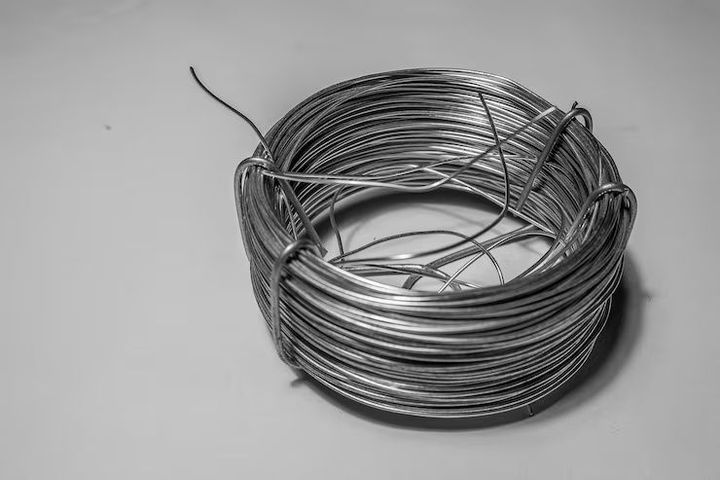
Stainless steel wire rope is a strong, flexible, and corrosion-resistant cable made from multiple strands of stainless steel wires twisted together. It is widely used in construction, marine, industrial, architectural, and transportation applications due to its strength and durability.
These ropes are typically composed of different strand configurations, such as 7x7, 7x19, or 6x36, indicating the number of strands and wires per strand. The selection depends on the required balance between flexibility, strength, and resistance to wear or fatigue.
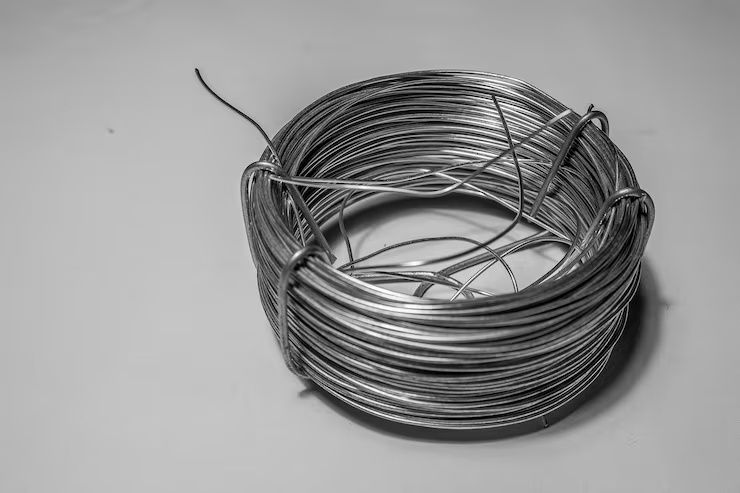
Stainless steel wire ropes are made from various grades—mainly AISI 304, 316, and 321—each suited to specific environments. For example, 316-grade wire rope is preferred in marine conditions due to its high resistance to saltwater corrosion.
Importance
Stainless steel wire ropes play a vital role in numerous industries because they combine mechanical performance, corrosion resistance, and aesthetic appeal. Their ability to endure extreme conditions makes them indispensable for both heavy-duty and architectural applications.
Why Stainless Steel Wire Rope Matters
-
High Strength: Capable of handling heavy loads and tension.
-
Corrosion Resistance: Ideal for marine, chemical, and outdoor use.
-
Flexibility: Can bend and twist without losing tensile integrity.
-
Longevity: Offers a longer service life compared to standard steel.
-
Low Maintenance: Requires minimal upkeep in harsh environments.
-
Safety: Provides reliable performance in load-bearing and suspension systems.
From bridges and elevators to balustrades and cranes, stainless steel wire ropes ensure safety, precision, and durability in both functional and decorative applications.
Recent Updates
The wire rope industry has seen major developments between 2024 and 2025, focusing on sustainability, advanced manufacturing, and enhanced safety testing.
Key Trends and Developments
-
Eco-Friendly Production (2024): Manufacturers are adopting cleaner processes with recyclable stainless alloys and energy-efficient production lines.
-
Coated Wire Ropes: PVC and nylon coatings are increasingly used to improve abrasion resistance and longevity.
-
Digital Inspection Systems: Smart sensors now monitor tension, fatigue, and wear in real time for industrial safety.
-
Hybrid Material Ropes (2025): New designs combine stainless steel with synthetic fibers for lightweight yet strong alternatives.
-
Precision Architecture: Growing use in modern railings, facades, and suspension designs for their sleek, minimal appearance.
-
Global Standards Update: ISO and ASTM updated guidelines in 2025 to include advanced fatigue testing and corrosion evaluation methods.
These developments highlight how stainless steel wire ropes are becoming smarter, safer, and more sustainable.
Laws or Policies
Stainless steel wire ropes are regulated under international safety and quality standards to ensure performance, reliability, and safety in industrial and construction applications.
Key Standards and Policies
-
ISO 2408: Specifies general requirements for steel wire ropes in lifting and mechanical systems.
-
ASTM A1023 / A1023M: Provides testing and classification standards for wire rope construction and materials.
-
EN 12385: European standard for steel wire rope design, testing, and usage safety.
-
Occupational Safety and Health Administration (OSHA): Regulates safe handling, inspection, and usage in lifting and hoisting operations.
-
Marine Certification: Ropes used in ships or offshore platforms require approval from bodies like Lloyd’s Register or ABS.
Compliance with these standards ensures that ropes meet load capacity, durability, and corrosion resistance requirements across global markets.
Tools and Resources
Several tools, equipment, and resources are available to ensure the correct use, maintenance, and selection of stainless steel wire ropes.
| Category | Tool / Resource | Purpose / Use Case |
|---|---|---|
| Measurement Tools | Calipers, rope gauges | Measure diameter and wear |
| Inspection Devices | Magnetic flux leakage testers | Detect internal strand breaks |
| Tension Monitors | Digital load cells | Check applied tension and stress |
| Cutting & Termination Tools | Hydraulic cutters, swaging machines | Proper rope installation |
| Learning Platforms | LinkedIn Learning, Coursera | Training on rigging and rope safety |
| Reference Standards | ISO 2408, ASTM A1023 | Guidelines for rope performance and testing |
Practical Tips
-
Always choose the correct grade (304 or 316) for the operating environment.
-
Avoid sharp bending or crushing during installation.
-
Conduct regular visual and magnetic inspections for strand wear or fatigue.
-
Store wire ropes in dry, covered areas to prevent contamination.
-
Lubricate periodically if used in mechanical systems to reduce friction.
Construction and Composition
Stainless steel wire rope consists of three main components:
-
Wires: The basic elements twisted together to form strands.
-
Strands: Groups of wires wound helically around a core.
-
Core: The center of the rope, made of fiber or metal, providing support and flexibility.
| Common Construction | Structure | Features |
|---|---|---|
| 7x7 | 7 strands of 7 wires | Medium flexibility, ideal for rigging |
| 7x19 | 7 strands of 19 wires | High flexibility, suitable for pulleys |
| 6x36 | 6 strands of 36 wires | Greater fatigue resistance |
| 1x19 | Single strand of 19 wires | Rigid, used in architectural designs |
Choosing the right structure depends on whether the application requires strength, flexibility, or resistance to bending fatigue.
Applications
Stainless steel wire ropes serve in a wide variety of commercial, industrial, and architectural purposes.
| Industry | Application Examples |
|---|---|
| Marine & Offshore | Mooring lines, rigging, and lifelines |
| Construction | Lifting, cranes, and suspension bridges |
| Architecture | Balustrades, facades, and decorative railings |
| Transportation | Elevator cables, cable cars, and aircraft controls |
| Industrial Machinery | Conveyor systems and mechanical lifting |
Their resistance to heat, corrosion, and mechanical stress makes them a preferred choice for environments that demand long-term reliability.
Performance and Maintenance
Proper maintenance ensures the long-term reliability and safety of wire ropes.
| Maintenance Step | Recommendation |
|---|---|
| Inspection | Check regularly for broken wires, corrosion, or deformation |
| Lubrication | Use non-corrosive lubricants to reduce friction |
| Replacement | Replace rope if strand breakage exceeds 10% of total wires |
| Storage | Store in dry, shaded areas on reels or coils |
| Testing | Perform tensile and fatigue tests periodically |
Consistent inspection and correct handling prevent premature wear, breakage, or performance failure.
FAQs
Q1. What is the difference between 304 and 316 stainless steel wire rope?
304 offers general corrosion resistance, while 316 provides superior resistance to saltwater and chemicals, making it ideal for marine environments.
Q2. How often should stainless steel wire rope be inspected?
It should be inspected visually before every use and thoroughly examined at least once every three months in industrial settings.
Q3. Can stainless steel wire rope rust?
While highly resistant, it can still develop surface oxidation in harsh or unclean environments without proper maintenance.
Q4. What factors affect the lifespan of wire ropes?
Exposure to moisture, chemical agents, improper loading, or lack of lubrication can shorten its lifespan.
Q5. Is stainless steel wire rope suitable for outdoor architecture?
Yes, it’s often used in railings, facades, and tension structures because of its clean appearance and corrosion resistance.
Conclusion
Stainless steel wire ropes are essential components across multiple industries, combining strength, flexibility, and corrosion resistance in one engineered product. Their diverse constructions, material grades, and superior mechanical performance make them vital for load-bearing, lifting, and architectural purposes.
Ongoing advancements in coatings, smart monitoring, and sustainable manufacturing continue to enhance their durability and performance. With proper selection, maintenance, and compliance with standards, stainless steel wire ropes can deliver safe, efficient, and long-lasting service in even the harshest environments.