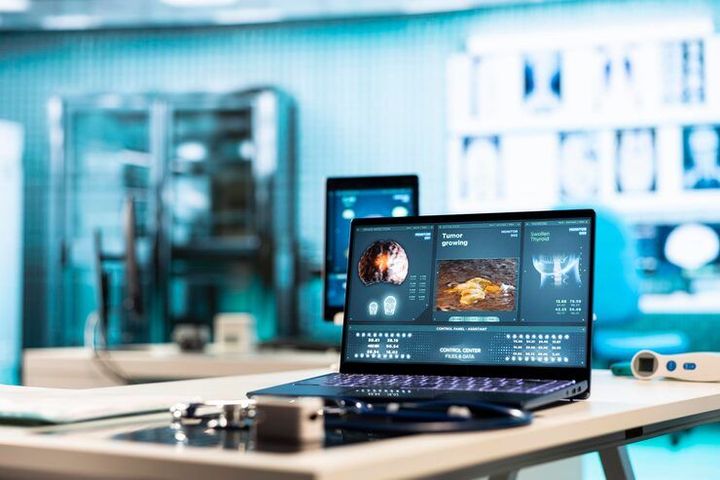
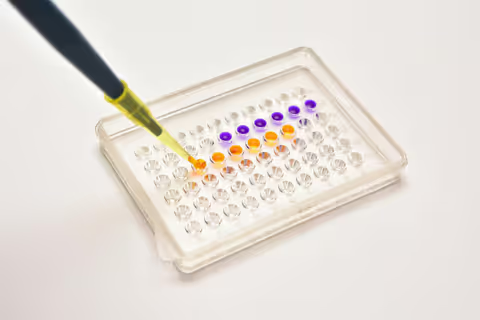
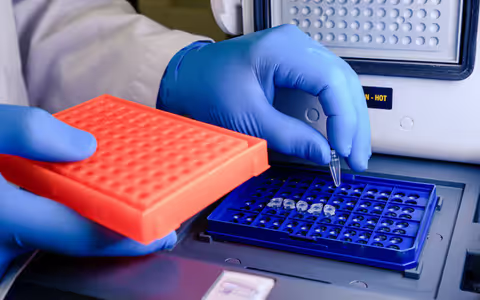
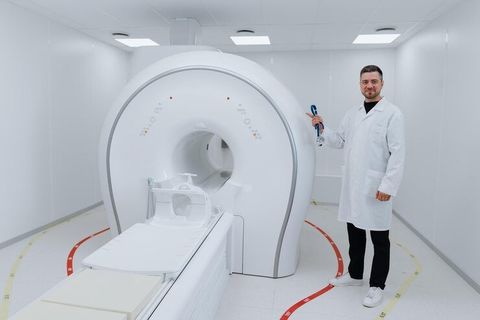
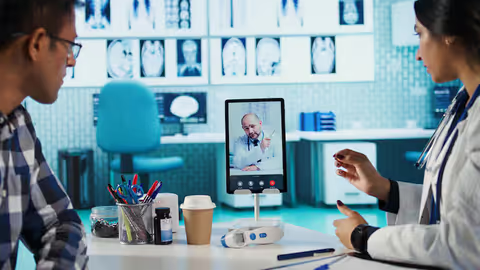
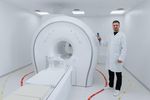
The primary purpose of these systems is to support remote patient monitoring, telehealth integration, predictive maintenance of medical equipment, and real-time diagnostics. They reduce the need for physical presence while maintaining clinical accuracy.
Remote diagnostic systems exist because healthcare delivery is increasingly distributed. Patients may live in rural areas, healthcare facilities may operate across multiple locations, and specialists may not always be physically present. Digital health infrastructure enables continuous data exchange between patients, clinicians, and healthcare IT systems.
Common components include:
-
IoT-enabled medical devices
-
Cloud computing platforms
-
Secure data transmission protocols
-
AI-based diagnostic software
-
Electronic Health Record (EHR) integration
These systems support high-value areas such as remote patient monitoring platforms, digital health infrastructure, medical device connectivity, AI medical diagnostics, and healthcare data analytics.
Why Remote Diagnostic Equipment Systems Matter Today
Remote diagnostics have become essential in modern healthcare ecosystems. They affect hospitals, clinics, diagnostic laboratories, insurance providers, government health agencies, and patients.
Key reasons this topic matters:
-
Growing demand for telemedicine
-
Rising chronic disease monitoring needs
-
Aging population
-
Expansion of digital healthcare platforms
-
Increased healthcare cybersecurity focus
Remote diagnostic systems help solve several real-world challenges:
-
Limited access to specialists in rural areas
-
Delayed diagnosis due to travel or appointment constraints
-
Equipment downtime in hospitals
-
Data silos between healthcare providers
-
Inefficient patient monitoring processes
For example, AI-powered diagnostic imaging platforms can analyze scans remotely and flag abnormalities for specialist review. Similarly, IoT-enabled cardiac monitors transmit ECG data in real time to cardiology teams.
Below is a simplified comparison of traditional vs remote diagnostic systems:
| Feature | Traditional Diagnostics | Remote Diagnostic Systems |
|---|
| Location | On-site only | Anywhere with connectivity |
| Data Access | Local storage | Cloud-based access |
| Monitoring | Periodic | Continuous or real-time |
| Specialist Access | In-person | Virtual access |
| Maintenance | Manual checks | Predictive maintenance analytics |
This shift supports digital transformation in healthcare while maintaining clinical oversight.
Recent Updates and Trends in 2025
In 2025, several developments have influenced remote diagnostic equipment systems:
-
January 2025: Expanded telehealth reimbursement frameworks in multiple regions encouraged hospitals to adopt remote monitoring technology.
-
March 2025: New cybersecurity standards for connected medical devices were introduced to strengthen patient data protection.
-
Mid-2025: Increased adoption of AI-powered diagnostic software in radiology and cardiology departments.
-
2025 Trend: Integration of wearable medical devices with enterprise healthcare IT systems.
Healthcare providers are also investing in predictive analytics platforms that detect equipment failure risks before breakdown occurs. This reduces operational disruptions in imaging centers and intensive care units.
Another growing area is edge computing in medical diagnostics. Instead of sending all data to centralized cloud servers, some systems process data locally for faster clinical decisions.
These updates reflect broader trends in:
-
Healthcare cloud computing
-
Medical IoT ecosystems
-
AI healthcare algorithms
-
Health data interoperability
-
Cybersecurity compliance for medical devices
Laws, Regulations, and Policy Impact
Remote diagnostic equipment systems operate within strict regulatory frameworks. Regulations vary by country but generally focus on patient safety, data protection, and medical device certification.
In India, regulatory oversight includes:
-
Central Drugs Standard Control Organization (CDSCO)
-
Medical Device Rules (amended in recent years)
-
Digital Personal Data Protection Act (DPDP Act 2023)
These regulations ensure:
-
Medical device classification compliance
-
Secure handling of health data
-
Device testing and certification
-
Cybersecurity requirements
In the United States, regulatory bodies include:
In the European Union:
These policies affect:
-
Data encryption standards
-
Interoperability requirements
-
AI algorithm transparency
-
Remote device validation processes
Compliance is essential for maintaining trust in digital health infrastructure and ensuring patient data privacy.
Tools and Resources for Remote Diagnostic Systems
Various platforms and tools support remote diagnostic ecosystems.
Cloud Healthcare Platforms
-
Microsoft Azure Healthcare APIs
-
Amazon Web Services HealthLake
-
Google Cloud Healthcare Data Engine
Medical Device Manufacturers
-
GE HealthCare
-
Philips
-
Siemens Healthineers
Interoperability Standards
-
HL7 FHIR frameworks
-
DICOM imaging standards
Healthcare Data Analytics Platforms
-
AI diagnostic software systems
-
Predictive maintenance dashboards
-
Medical device cybersecurity monitoring tools
These tools help healthcare institutions:
-
Manage remote imaging data
-
Monitor connected ICU equipment
-
Analyze diagnostic trends
-
Secure patient data
Frequently Asked Questions
What is a remote diagnostic equipment system?
It is a connected medical technology system that collects and transmits diagnostic data remotely for clinical evaluation and monitoring.
How does remote patient monitoring differ from remote diagnostics?
Remote patient monitoring focuses on ongoing health data collection, while remote diagnostics may include device troubleshooting, imaging interpretation, or AI-based analysis.
Are remote diagnostic systems secure?
They use encrypted data transmission, secure cloud infrastructure, and regulatory compliance standards to protect patient data, though cybersecurity remains an ongoing priority.
Can AI replace doctors in remote diagnostics?
AI supports decision-making by analyzing patterns and highlighting risks, but clinical judgment remains with licensed healthcare professionals.
Who benefits from remote diagnostic systems?
Patients, hospitals, rural healthcare providers, diagnostic centers, public health agencies, and medical technology companies all benefit from improved connectivity and data access.
Conclusion
Remote diagnostic equipment systems represent a major development in digital healthcare technology. By connecting medical devices to cloud computing platforms and AI-driven analytics, these systems enable real-time data exchange, predictive maintenance, and improved access to specialized care.
Their importance continues to grow due to telemedicine expansion, chronic disease management needs, and digital health transformation initiatives. Regulatory frameworks and cybersecurity standards shape how these systems operate and ensure patient safety.
As healthcare infrastructure becomes increasingly connected, remote diagnostic systems are likely to remain central to medical innovation, clinical efficiency, and global health accessibility.
Disclaimer: The information provided in this article is for informational purposes only. We do not make any claims or guarantees regarding the accuracy, reliability, or completeness of the information presented. The content is not intended as professional advice and should not be relied upon as such. Readers are encouraged to conduct their own research and consult with appropriate professionals before making any decisions based on the information provided in this article.