Pumping Systems Information Guide: Explore Key Knowledge, Technical Facts, Advice, and Insights
Pumping systems are mechanical arrangements designed to move liquids, slurries, or gases from one location to another. They exist because many industrial, municipal, and environmental processes rely on continuous and reliable fluid movement. Pumping systems form the backbone of water supply networks, wastewater treatment facilities, manufacturing plants, agricultural irrigation, chemical processing, and HVAC circulation.
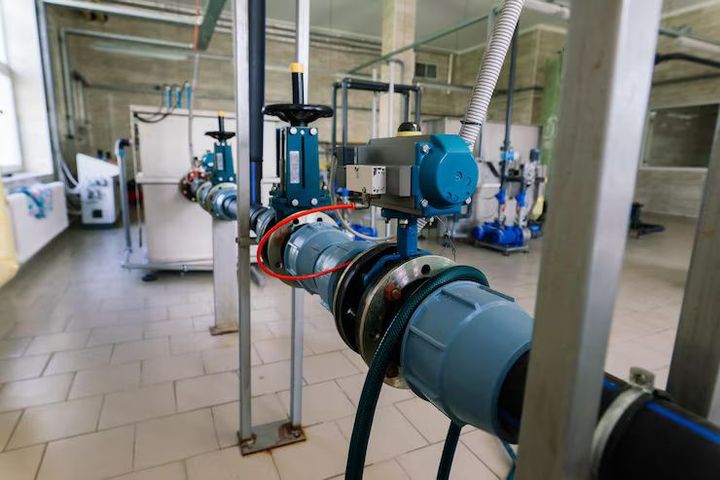
A pumping system is more than a pump alone. It includes piping networks, valves, motors, controls, and monitoring instruments that ensure fluid flows at the required pressure and speed. Over time, systems have evolved from simple manually operated units to complex, automated configurations with digital sensors and performance optimization technology.
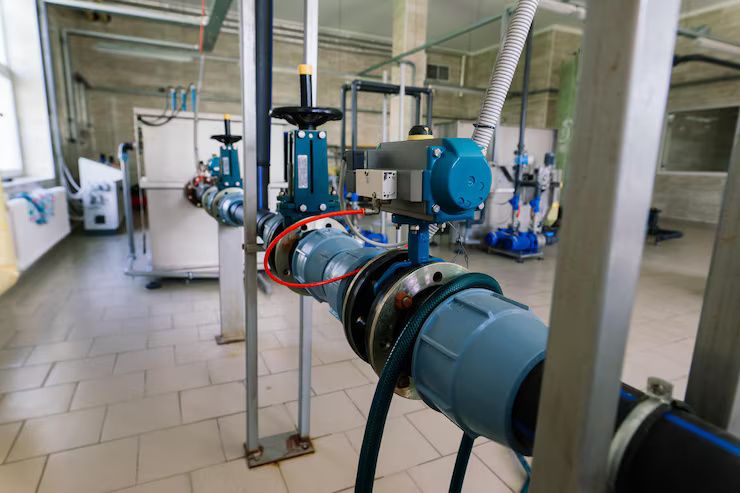
These systems ensure stable fluid transfer, maintain pressure regulation, improve safety, and support industrial productivity. As demand for energy efficiency, resource conservation, and reliability increases, pumping systems have become increasingly advanced, integrating smart controls and improved mechanical designs.
Importance
Pumping systems are vital because they solve critical challenges related to water distribution, industrial processing, and environmental management. Their importance spans infrastructure, manufacturing, agriculture, housing, and transportation systems.
They matter for several reasons:
-
They ensure the continuous movement of essential fluids such as water, chemicals, lubricants, fuels, and wastewater.
-
They support industrial production by maintaining consistent pressure, flow rate, and temperature control.
-
They help prevent failures in cooling systems, boilers, HVAC networks, and fire protection systems.
-
They improve efficiency, reduce energy use, and enhance operational reliability.
-
They support public health by handling potable water, sanitation fluids, and environmental discharge.
Industries that rely on pumping systems include building services, food processing, oil and gas, pharmaceuticals, mining, agriculture, and marine operations. As processes become more automated, pumping reliability and performance have become central to production stability, safety, and environmental compliance.
Recent Updates
Recent developments in pumping systems between 2024 and 2025 highlight advancements in energy use, predictive maintenance, and smart monitoring.
Trends and Updates from the Past Year
-
High-efficiency motor integration (2024–2025): Pumping systems now increasingly use motors designed to reduce energy consumption and improve lifecycle performance.
-
Rise of variable frequency drives (2024): VFD-based control systems allow pumps to adjust speed according to real-time demand, reducing energy waste.
-
Smart monitoring technology (2025): Sensors and analytics platforms record flow rate, vibration, temperature, and pressure to detect issues early.
-
Leak detection improvements (2024): New digital sensors help identify micro-leaks in industrial and municipal systems, reducing water loss.
-
Sustainability focus (2025): More systems incorporate eco-friendly materials and low-carbon designs to meet environmental goals.
-
Enhanced corrosion-resistant coatings (2024): New surface treatments extend the life of pumps used in aggressive chemical environments.
-
Growth of integrated pumping modules (2025): Pre-engineered packages combine pumps, controls, and monitoring equipment for quick installation and improved reliability.
These developments reflect the widespread shift toward intelligent systems that prioritize energy efficiency, automation, and sustainability.
Laws or Policies
Pumping systems are influenced by national and international regulations designed to ensure safety, efficiency, and environmental responsibility. Requirements vary by region, but several themes remain consistent.
Key Regulatory Areas Affecting Pumping Systems
-
Energy efficiency: Many countries have standards requiring pumps and motors to meet minimum efficiency ratings to reduce electricity consumption.
-
Safety and operational guidelines: Regulations apply to pressure limits, temperature ranges, mechanical guarding, and system construction quality.
-
Environmental compliance: Pumping systems must adhere to rules connected to water discharge, chemical handling, emissions, and fluid containment.
-
Building and infrastructure codes: Systems used in residential, commercial, or industrial structures must meet mechanical and safety codes.
-
Manufacturing standards: Pumps must conform to construction standards that dictate materials, performance, and testing protocols.
Common Compliance Standards
-
ISO 5199 and ISO 9906 for pump performance
-
American National Standards Institute (ANSI) pump specifications
-
Hydraulic Institute (HI) guidelines for energy and performance
-
Environmental regulations governing water usage and discharge
-
Mechanical and electrical safety codes for industrial installations
These policies ensure that pumping systems operate safely, reliably, and sustainably across different applications.
Tools and Resources
A wide range of digital tools and technical resources support the design, monitoring, and optimization of pumping systems.
Useful Tools for Pumping System Analysis
-
Flow rate calculators: Estimate required flow for industrial, agricultural, and municipal applications.
-
Pump selection software: Helps match system requirements with pump types, sizes, and performance curves.
-
Energy efficiency analyzers: Evaluate power usage and highlight potential improvements in motor or pump operation.
-
Pressure drop calculators: Determine frictional losses in piping systems.
-
Predictive maintenance platforms: Use sensor data to forecast component wear.
-
System modeling software: Simulates fluid behavior to optimize design and reduce operational issues.
Helpful Training and Knowledge Resources
-
Pump engineering handbooks
-
Fluid dynamics learning modules
-
Mechanical maintenance guides
-
Industry-standard reference materials
-
Diagnostic charts and troubleshooting references
These tools and resources enable planners, technicians, and engineers to design, maintain, and operate pumping systems more efficiently.
FAQs
What is the primary function of a pumping system?
A pumping system moves liquids or gases by generating flow and pressure. It helps support essential operations in buildings, manufacturing, agriculture, and municipal services.
What factors determine which pump type is suitable for an application?
Selection depends on required flow rate, pressure, fluid viscosity, temperature, and the presence of solids or corrosive materials.
How can pumping systems improve energy efficiency?
Efficiency improves through high-efficiency motors, variable frequency drives, proper pump sizing, regular maintenance, and reducing unnecessary pressure losses in piping.
What role do sensors play in modern pumping systems?
Sensors monitor performance by tracking vibration, temperature, pressure, and flow. They help detect early signs of wear and maintain system reliability.
How often should pumping systems be maintained?
Maintenance schedules depend on usage, fluid type, and system design. Regular inspections, seal checks, and lubrication are essential for long-term performance.
Conclusion
Pumping systems are essential components of modern infrastructure, industry, and environmental management. Their ability to move fluids safely and efficiently supports everything from clean water supply to industrial production and agricultural operations. Modern advances in digital monitoring, automation, and energy-efficient design have transformed how these systems operate, making them more reliable and sustainable.
Understanding the fundamentals, technical aspects, regulatory requirements, and available tools helps engineers, operators, and planners design and maintain systems that perform consistently and safely. As future innovations continue to focus on smart controls, predictive maintenance, and optimized efficiency, pumping systems will remain a critical part of global development and industrial progress.