Packaging Machines Overview – Learn Basics, Explore Information, and Key Insights
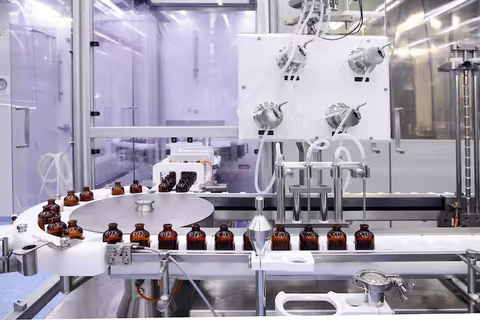
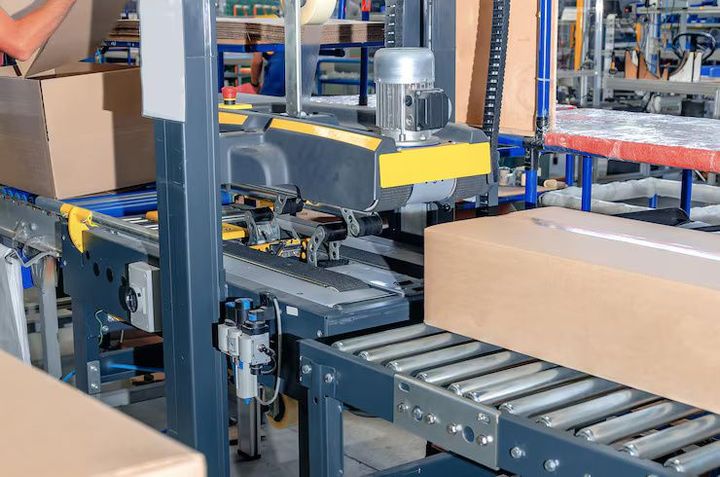
Packaging machines are specialized equipment used to pack products efficiently and securely for storage, sale, or distribution. They form a crucial part of industries like food and beverage, pharmaceuticals, consumer goods, and manufacturing. The main goal of packaging machinery is to protect products from contamination, damage, and environmental exposure, while also ensuring convenience and branding consistency.
Modern packaging machines perform multiple functions — from filling, sealing, wrapping, labeling, and coding to palletizing and inspection. Their evolution stems from the growing need for automation, hygiene, and sustainability in global manufacturing processes.
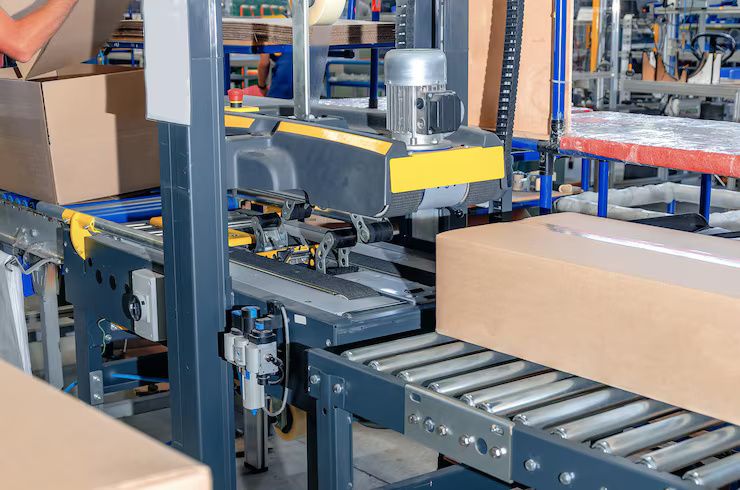
Packaging systems today are integrated with robotics, sensors, and smart software to enhance efficiency, reduce human error, and improve production speed.
Importance
Packaging machines are essential for quality assurance, supply chain efficiency, and consumer safety. They play a vital role across industries that depend on mass production and product standardization.
Why It Matters
-
Efficiency and Productivity: Automated packaging reduces manual labor and accelerates production.
-
Product Safety: Ensures items are sealed properly to maintain hygiene and prevent tampering.
-
Sustainability: Advanced machines now support recyclable and biodegradable packaging materials.
-
Branding and Aesthetics: Consistent labeling and design help brands maintain market appeal.
-
Regulatory Compliance: Packaging helps meet national and international safety and labeling standards.
For manufacturers, efficient packaging machinery means lower costs, faster turnaround times, and better consumer satisfaction.
Recent Updates
In 2024–2025, the packaging machinery industry has seen major developments in automation, sustainability, and digital integration.
Key Trends and Innovations
-
Smart Packaging Systems (2024): Machines now use IoT (Internet of Things) technology to monitor performance and detect faults in real time.
-
Sustainable Packaging Materials: Equipment is being redesigned to accommodate biodegradable films, paper-based wraps, and compostable plastics.
-
AI and Machine Learning: Artificial intelligence helps optimize machine speed, maintenance schedules, and material usage.
-
Robotic Integration: Collaborative robots (cobots) are increasingly used for packaging, sorting, and palletizing tasks.
-
Energy Efficiency: Newer models consume up to 25% less energy due to improved motor and compressor systems.
-
Customization Demand: Flexible packaging machines that handle different product sizes and materials are gaining popularity.
The packaging machinery market is projected to reach USD 65 billion by 2028, driven by automation and green packaging solutions.
Laws or Policies
Packaging machines are influenced by a combination of manufacturing safety standards, environmental regulations, and product labeling requirements.
Key Regulations and Guidelines
-
ISO 9001 & ISO 22000: Ensure consistent quality and safety in food and industrial packaging processes.
-
CE Marking (Europe): Confirms that packaging machines comply with European health and safety requirements.
-
FDA Packaging Regulations (USA): Mandate hygiene and material safety for food and medical packaging.
-
Extended Producer Responsibility (EPR): Encourages manufacturers to adopt eco-friendly packaging solutions.
-
Indian BIS Standards (IS 15185, IS 15046): Define performance and safety requirements for packaging machinery.
-
Sustainability Directives: Many countries now enforce rules promoting plastic reduction and recyclable materials.
Compliance with these laws ensures machines operate safely, sustainably, and in line with international standards.
Tools and Resources
Selecting or managing packaging machinery efficiently requires the right set of tools, digital platforms, and reference resources.
| Category | Tool / Platform | Purpose / Use |
|---|---|---|
| Design and Simulation | SolidWorks, AutoCAD, Siemens NX | Design packaging machinery systems and simulate performance |
| Production Monitoring | Rockwell Automation, Siemens MindSphere | Monitor production data and improve process control |
| Material Selection Tools | Matmatch, CES Selector | Compare packaging materials for sustainability and durability |
| Quality Control Software | SPC for Excel, Minitab | Evaluate machine precision and packaging consistency |
| Industry Resources | PMMI (Packaging Machinery Manufacturers Institute), Packaging Europe | Latest trends, reports, and news updates |
Practical Tips for Industry Professionals
-
Regular Maintenance: Schedule inspections to prevent unplanned downtime.
-
Use Predictive Analytics: Apply machine data to forecast wear and service needs.
-
Stay Eco-Compliant: Choose recyclable or renewable packaging inputs.
-
Train Operators: Ensure staff understand safety and machine calibration processes.
-
Invest in Flexibility: Opt for modular systems that adapt to different products.
Major Types of Packaging Machines
| Category | Function | Examples |
|---|---|---|
| Filling Machines | Dispense liquids, powders, or granules into containers | Liquid fillers, volumetric fillers |
| Sealing Machines | Close packages using heat, pressure, or adhesives | Band sealers, induction sealers |
| Wrapping Machines | Encase products in film or foil for protection | Stretch wrappers, shrink wrappers |
| Labeling Machines | Apply printed labels for branding and compliance | Pressure-sensitive, sleeve labeling machines |
| Cartoning Machines | Package products into cartons or boxes | End-load, top-load cartoners |
| Palletizing Machines | Stack and prepare products for shipping | Robotic palletizers, automatic stackers |
Each type plays a role in ensuring packaging is efficient, durable, and visually appealing.
FAQs
Q1. What industries use packaging machines the most?
Industries like food & beverage, pharmaceuticals, cosmetics, and consumer goods rely heavily on automated packaging equipment.
Q2. Are packaging machines customizable?
Yes, most modern machines are modular and configurable, allowing businesses to handle multiple product types.
Q3. What materials are compatible with packaging machines?
Machines can process plastic films, foils, paper, cardboard, and eco-friendly biopolymers.
Q4. How often should packaging machines be maintained?
Preventive maintenance is typically performed every 3–6 months, depending on machine usage and production volume.
Q5. Are there sustainable options in packaging machinery?
Absolutely. Many manufacturers now produce machines designed to minimize waste, energy consumption, and emissions.
Conclusion
Packaging machines form the foundation of modern manufacturing and logistics. They ensure that every product — from food items to pharmaceuticals — reaches consumers safely and efficiently.
With the integration of AI, robotics, and sustainability initiatives, the industry continues to evolve toward smarter, greener solutions. Understanding the types, trends, and regulations surrounding packaging machinery helps manufacturers, engineers, and entrepreneurs make informed choices that improve productivity and environmental responsibility.
In a world focused on innovation and sustainability, packaging machines remain at the core of global production and distribution efficiency.