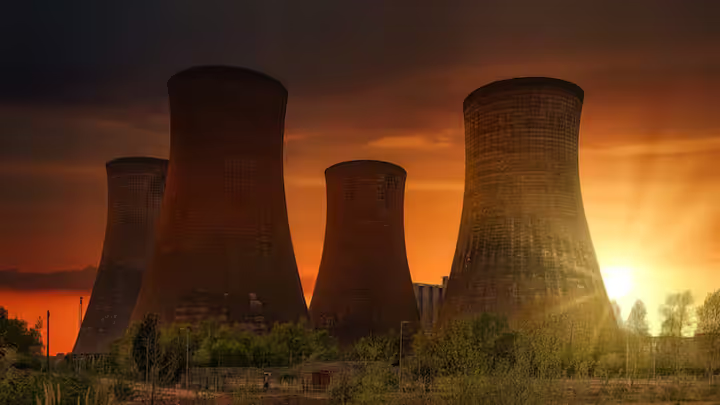
Nuclear Power Plant Machinery: Basic Explanation of Equipment and Operations
Nuclear power plant machinery refers to the interconnected mechanical, electrical, and control systems used to convert nuclear energy into usable electricity. These machines operate within a highly controlled environment where atomic reactions generate heat, which is then transformed into electrical power through conventional thermodynamic processes.
Unlike fossil-fuel plants that burn coal or gas, nuclear facilities rely on engineered machinery to control atomic reactions with extreme precision. The machinery exists to ensure three core objectives: reliable power generation, strict safety control, and long-term operational stability. Over decades, these systems have evolved to become more automated, resilient, and closely monitored.
Why Nuclear Power Plant Machinery Matters
Nuclear power plant machinery plays a critical role in today’s energy landscape. As global electricity demand increases and emissions reduction becomes a priority, nuclear power remains one of the largest sources of low-carbon baseload electricity.
This machinery affects multiple groups:
-
Energy consumers, who depend on stable electricity supply
-
Grid operators, who rely on consistent output
-
Governments and regulators, responsible for safety and compliance
-
Engineers and researchers, advancing reactor and materials science
Key problems it helps solve include:
-
Reducing dependence on carbon-intensive generation
-
Providing continuous power regardless of weather conditions
-
Supporting energy security for industrial and urban regions
The reliability of nuclear power is directly linked to the performance of its machinery. Components such as reactor pressure vessels, steam generators, turbines, and digital control systems must operate together without interruption. Even small improvements in machinery efficiency can translate into large gains in output and safety margins.
Recent Updates and Industry Developments
Over the past year, several notable trends have shaped nuclear power plant machinery worldwide.
In 2025, many countries increased focus on life-extension programs, upgrading turbines, pumps, and control systems in existing plants to extend operating lifespans beyond 40 years. Digital instrumentation and control (I&C) upgrades became a priority, replacing analog systems with software-driven monitoring.
Another major trend is the growing interest in small modular reactors (SMRs). Throughout 2025–2026, prototype designs emphasized factory-manufactured machinery modules, simplified cooling systems, and passive safety components. These designs aim to reduce mechanical complexity while maintaining strict safety standards.
Advanced materials research also progressed in mid-2025, with improved alloys for steam generators and heat exchangers that better withstand radiation and thermal stress. These developments directly influence machinery durability and maintenance planning.
Laws, Regulations, and Policy Influence
Nuclear power plant machinery is among the most regulated industrial equipment in the world. National and international frameworks govern its design, testing, installation, and operation.
At the international level, the International Atomic Energy Agency provides safety standards and technical guidance covering reactor systems, cooling equipment, and containment structures.
In the United States, machinery requirements are enforced by the Nuclear Regulatory Commission, which mandates rigorous inspection and certification for all critical components.
In India, nuclear machinery development and oversight fall under the Department of Atomic Energy, which coordinates indigenous reactor technology and safety compliance.
These policies ensure that:
-
Machinery designs meet conservative safety margins
-
Components undergo qualification testing before installation
-
Continuous monitoring and periodic upgrades are mandatory
Regulatory frameworks significantly influence how machinery is engineered, often prioritizing redundancy, physical separation, and fail-safe operation.
Core Machinery Components Explained
Understanding nuclear power plant machinery becomes easier when broken into major functional systems.
Reactor System
-
Reactor pressure vessel
-
Fuel assemblies and control rods
-
Coolant circulation pumps
Heat Transfer and Steam Generation
-
Steam generators
-
Heat exchangers
-
Pressurizers (in pressurized water reactors)
Power Conversion Equipment
-
Steam turbines
-
Electric generators
-
Condensers
Safety and Control Systems
-
Emergency core cooling systems
-
Containment isolation equipment
-
Digital control and monitoring panels
The table below summarizes key machinery functions:
| Machinery Component | Primary Function | Operational Importance |
|---|---|---|
| Reactor Vessel | Contains nuclear reaction | Structural and safety integrity |
| Steam Generator | Transfers heat to water | Efficiency and thermal control |
| Turbine | Converts steam to motion | Electricity production |
| Control Systems | Monitors and regulates | Prevents unsafe conditions |
Tools and Resources for Understanding Nuclear Machinery
A wide range of educational and technical resources help explain nuclear power plant machinery in accessible ways.
Useful resources include:
-
IAEA technical documents explaining reactor systems
-
University reactor simulators for visual learning
-
Thermal efficiency calculators for power conversion analysis
-
Open energy data portals showing plant performance metrics
Engineering students and general readers often use interactive plant diagrams, virtual walkthroughs, and system modeling tools to visualize how machinery operates under different conditions. These resources emphasize transparency and public understanding, which are essential for informed discussion about nuclear energy.
common Questions About Nuclear Power Plant Machinery
How long does nuclear power plant machinery typically last?
Major components such as reactor vessels are designed for several decades, often 40 to 60 years, with periodic inspections and upgrades.
Is nuclear machinery fully automated?
Modern plants use high levels of automation, but trained operators continuously supervise systems and can intervene when needed.
What makes nuclear machinery different from conventional power plants?
The need to control nuclear reactions introduces specialized equipment, redundancy, and safety systems not found in fossil-fuel plants.
How is heat safely removed from the reactor?
Coolant systems circulate water or other fluids to transfer heat away from the reactor core and into steam generation equipment.
Can machinery failures lead to radiation release?
Multiple physical barriers and safety systems are designed to prevent this, even if individual components fail.
Conclusion
Nuclear power plant machinery forms the backbone of one of the world’s most reliable low-carbon electricity sources. From reactor systems to turbines and digital controls, each component is engineered with precision, redundancy, and long-term performance in mind. Ongoing upgrades, advanced materials, and evolving regulations continue to shape how this machinery operates in modern energy systems.
For a general audience, understanding these machines helps demystify nuclear energy and highlights why safety, regulation, and engineering excellence remain central to its role in the global power mix.