Learn About CPAP Machines: Comprehensive Overview, Basics, Insights, and Helpful Resources
Continuous Positive Airway Pressure (CPAP) machines are medical devices primarily used to treat obstructive sleep apnea (OSA). OSA is a condition where the upper airway becomes blocked during sleep, causing pauses in breathing. These interruptions disrupt sleep patterns and lead to various health risks, such as high blood pressure, heart disease, and stroke.
A CPAP machine works by delivering a continuous flow of air through a mask that keeps the airway open, allowing uninterrupted breathing during sleep. It’s considered the most effective and widely prescribed treatment for moderate to severe OSA. CPAP therapy is also used to manage other conditions like snoring, central sleep apnea, and even chronic obstructive pulmonary disease (COPD).
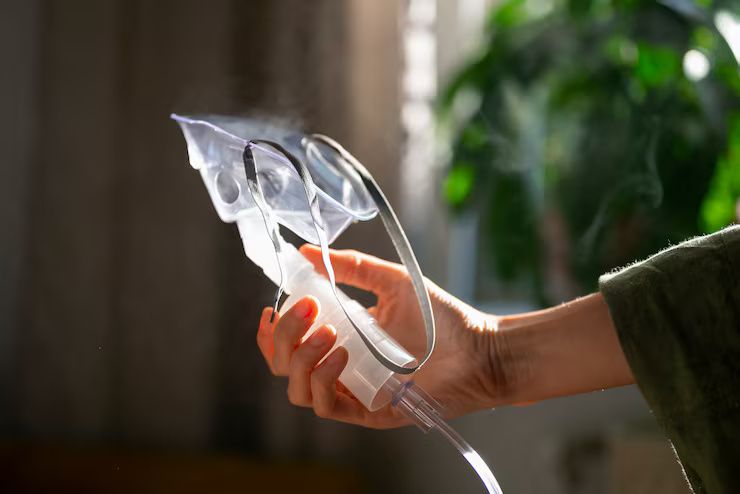
This guide covers everything you need to know about CPAP machines, including how they work, the benefits, the different types, and resources for users.
Importance
CPAP machines are a crucial treatment for sleep apnea, a common condition that affects millions of people worldwide. The importance of CPAP therapy includes:
-
Improved Sleep Quality: CPAP machines restore normal breathing, preventing sleep disruptions caused by apnea episodes.
-
Health Benefits: Consistent use can reduce the risk of cardiovascular problems, high blood pressure, and even diabetes.
-
Better Daytime Functioning: With improved sleep quality, users often experience increased energy, reduced fatigue, and better cognitive function.
-
Cost-Effective: While initial setup costs may be significant, CPAP therapy reduces the need for more expensive treatments or hospitalizations for sleep-related issues.
By preventing airway obstructions, CPAP devices provide a non-invasive, safe, and highly effective solution to manage sleep apnea and related conditions.
Recent Updates
Over the past few years, CPAP technology has seen considerable advancements that have improved both the comfort and effectiveness of therapy. Key developments include:
Technological Innovations (2024–2025)
-
Auto-Titrating CPAP Machines: These devices adjust the air pressure automatically throughout the night to accommodate changes in breathing patterns.
-
Smaller and Quieter Designs: Modern CPAP machines are quieter and more compact, making them more user-friendly, especially for travel and comfort.
-
Integrated Humidifiers: Humidifiers built into the CPAP units help reduce discomfort caused by dry mouth and throat, a common side effect of therapy.
-
Smart Connectivity: Many CPAP machines now offer Bluetooth and app integration, allowing users to track their sleep data and make adjustments remotely.
-
Masks with Better Fit: Advances in mask technology ensure a better seal, reducing the risk of leaks, which improves the overall effectiveness of the machine.
These improvements make CPAP therapy more comfortable and accessible, ensuring better compliance and improved health outcomes for users.
Laws and Policies
CPAP machines are regulated medical devices, and their use is governed by various health and safety regulations:
Regulations to Consider
-
FDA Approval (USA): The U.S. Food and Drug Administration (FDA) classifies CPAP machines as medical devices, meaning they must meet specific safety and efficacy standards.
-
Health Insurance Coverage: Many health insurance providers offer coverage for CPAP machines, especially when prescribed by a physician for sleep apnea treatment.
-
Prescription Requirement: In many countries, including the United States and Canada, a CPAP machine requires a prescription from a healthcare provider after an official sleep study.
-
Maintenance and Cleaning Standards: CPAP machines must be regularly cleaned and maintained to prevent bacterial growth and ensure optimal performance. Some regions have specific cleaning protocols to maintain safety.
By adhering to these regulations, users can ensure the safety, reliability, and efficiency of their CPAP machines.
Tools and Resources
Many tools and resources help users optimize their CPAP experience:
CPAP Machine Types
-
Standard CPAP: Provides a constant air pressure throughout the night.
-
Auto-CPAP (APAP): Automatically adjusts pressure based on the user's needs during sleep.
-
Bi-level (BiPAP): Offers two levels of pressure: one for inhaling and one for exhaling, which can be more comfortable for some users.
-
Travel CPAP: Smaller, portable machines ideal for travel or short-term use.
CPAP Accessories
-
CPAP Masks (Nasal, Full-Face, Nasal Pillows): Different styles to fit your comfort preferences.
-
Humidifiers: Reduce dryness in the throat and nose, improving comfort during use.
-
CPAP Filters and Tubing: Regular replacement ensures air quality and device performance.
-
Cleaning Systems: Specialized cleaning machines or wipes help maintain hygiene and extend the life of your device.
Educational Resources
-
Online guides and instructional videos for setting up and using CPAP machines
-
Support groups for sharing experiences and tips
-
Apps for tracking CPAP data and monitoring usage
-
Professional advice from sleep specialists and respiratory therapists
How CPAP Machines Work
CPAP machines function by maintaining constant airflow through a hose connected to a mask or nasal cannula. The pressure keeps the upper airway open, preventing the collapse that causes apneas (breathing pauses).
The basic components of a CPAP system include:
-
Machine/Compressor: Generates a continuous stream of air.
-
Air Filter: Ensures that the air is free of dust, allergens, and bacteria.
-
Hose: A flexible tube that carries air from the machine to the mask.
-
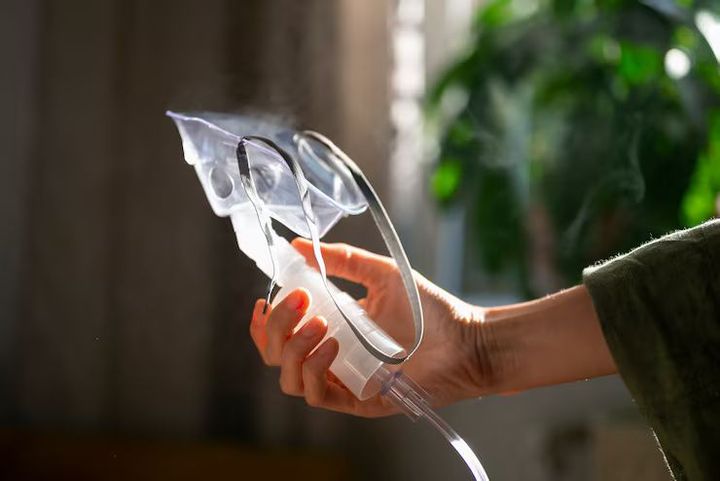
Mask: Worn over the nose or mouth to deliver airflow.
-
Humidifier (optional): Adds moisture to prevent dryness.
The effectiveness of the CPAP machine depends on the correct setting of the air pressure, which is typically determined through a sleep study (polysomnography) to find the pressure level that works best for the user.
Choosing the Right CPAP Machine
When selecting a CPAP machine, consider the following factors:
-
Pressure Type: Standard CPAP for consistent pressure, Auto-CPAP for variable needs, or BiPAP for higher comfort.
-
Mask Type: Ensure the mask fits securely and comfortably; options include nasal masks, full-face masks, and nasal pillows.
-
Noise Level: Modern models are designed to operate quietly, which is crucial for a restful sleep.
-
Portability: If traveling frequently, choose a smaller, lightweight travel CPAP machine.
-
Smart Features: Machines with Bluetooth connectivity can help track your usage and provide feedback on your therapy.
Practical Tips for Using CPAP Machines
-
Consistency: Use your CPAP machine every night to experience the full benefits, even if it feels uncomfortable initially.
-
Mask Fit: Ensure your mask is correctly fitted to avoid leaks that can reduce effectiveness.
-
Clean Your Equipment Regularly: Wash your mask, tubing, and filters to maintain hygiene and prevent the buildup of bacteria.
-
Adjust the Pressure if Necessary: If the prescribed pressure feels too high or too low, consult your healthcare provider about adjusting it.
-
Use a Humidifier: To prevent dryness, consider adding a humidifier if your CPAP machine doesn’t come with one built in.
-
Monitor Your Sleep: Many modern CPAP machines come with built-in data tracking, so you can monitor your therapy progress.
Common CPAP Issues and Solutions
| Problem | Solution |
|---|---|
| Dry Mouth/Nasal Congestion | Use a humidifier or nasal spray to reduce dryness. |
| Mask Leaks | Adjust the straps or try a different mask style for a better fit. |
| Discomfort | Try a different mask type or adjust the pressure settings. |
| Noise | Check for any obstructions in the machine’s airflow. |
| Difficulty Falling Asleep | Use relaxation techniques or consult your healthcare provider. |
FAQs
1. How does a CPAP machine help with sleep apnea?
The machine keeps your airway open by continuously providing air at a set pressure, preventing airway collapse during sleep.
2. Do I need a prescription for a CPAP machine?
Yes, CPAP machines are regulated medical devices, and a prescription from a doctor or sleep specialist is required.
3. Can I travel with my CPAP machine?
Yes, travel-sized CPAP machines are available for easy transportation. Remember to bring any necessary adapters or battery packs for travel.
4. How do I clean my CPAP machine?
Regular cleaning involves washing the mask, hose, and water chamber with mild soap and warm water. Replace filters according to the manufacturer’s recommendations.
5. Can a CPAP machine cure sleep apnea?
CPAP therapy does not cure sleep apnea, but it effectively manages the condition by keeping the airway open, improving quality of life.
Conclusion
CPAP machines are essential tools in managing sleep apnea and improving sleep quality. With advancements in technology, modern CPAP machines offer more comfort, ease of use, and effective treatment. By understanding how these devices work and following the best practices for usage and maintenance, users can experience better health, reduced daytime fatigue, and improved sleep quality.
For any issues or discomfort, always consult with your healthcare provider or a sleep specialist to ensure your CPAP therapy is optimized.
Disclaimer: The information provided in this article is for informational purposes only. We do not make any claims or guarantees regarding the accuracy, reliability, or completeness of the information presented. The content is not intended as professional advice and should not be relied upon as such. Readers are encouraged to conduct their own research and consult with appropriate professionals before making any decisions based on the information provided in this article.