Labelling Machine Explained: Detailed Information, Essential Knowledge, Insights, and Advice
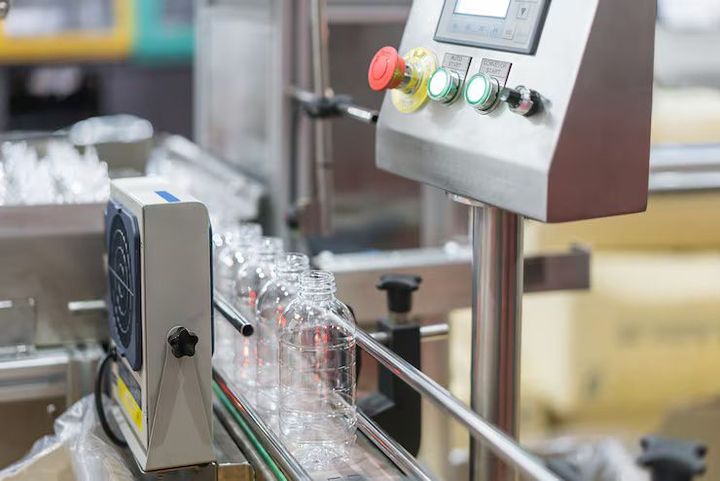
Labelling machines are automated or semi-automated systems designed to apply labels to products, containers, cartons, or packaging materials. They exist because modern manufacturing and distribution require clear, consistent, and accurate product identification. Labels provide essential information such as product names, batch numbers, ingredients, safety instructions, regulatory data, and traceability codes
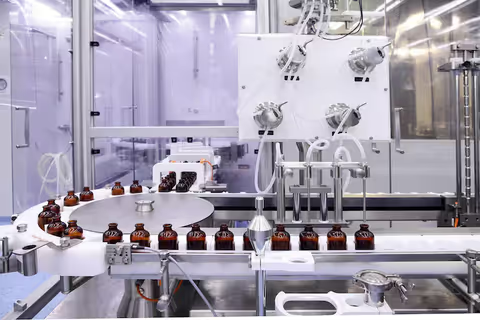
Labelling machines help businesses maintain uniformity, reduce manual errors, and increase production speed. They work through a coordinated mechanism involving label dispensers, rollers, applicators, sensors, and control panels. The machine applies labels using pressure-sensitive adhesive, heat transfer, glue application, or wrap-around methods depending on the product and industry requirement.
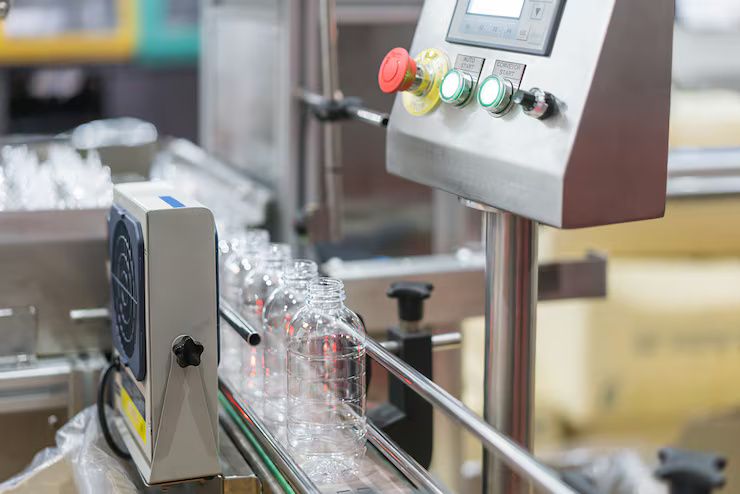
Over the years, labelling technology has evolved significantly—from hand-operated devices to sophisticated machines capable of high-speed operation, vision inspection, barcode verification, digital printing, and full integration with packaging lines. Today, labelling machines are used in food and beverages, pharmaceuticals, cosmetics, logistics, chemicals, and consumer goods manufacturing.
Importance
Labelling machines are important because they help maintain product accuracy, regulatory compliance, supply chain efficiency, and customer trust. Clear, consistent labelling ensures that products carry correct information and meet industry standards.
Key reasons these machines matter:
-
They improve accuracy by reducing manual labelling errors.
-
They ensure repeatability and uniformity across large batches.
-
They support safety and regulatory compliance through clear identification.
-
They increase production speed and overall operational efficiency.
-
They enable serialization, batch coding, and traceability.
-
They help maintain branding consistency across product lines.
Labelling machines affect manufacturers, packaging supervisors, logistics teams, quality control specialists, and regulators. They solve challenges related to mislabeling, product recall risks, supply chain tracking, and packaging inconsistencies. As industries grow more automated, labeling systems play an important role in maintaining quality and operational integrity.
Recent Updates
Between 2024 and 2025, labelling machines experienced advancements in precision, digital integration, automation, and sustainability.
Recent Trends and Developments
-
Increase in digital label printing integration (2024–2025): Many labelling systems now include digital printing modules for variable data, QR codes, and dynamic information.
-
Expansion of vision inspection systems (2025): High-resolution cameras verify label alignment, readability, and code accuracy.
-
Smart sensor technology (2024): Sensors detect product orientation, spacing, and conveyor speed, enabling greater precision.
-
Rising demand for tamper-evident labelling (2024): Industries such as pharmaceuticals and cosmetics require tamper-proof labels for security and compliance.
-
Eco-friendly labelling materials (2025): More businesses use recyclable label substrates and low-waste adhesive solutions.
-
Industry 4.0 integration (2024–2025): Machines connect with networked production systems for real-time data sharing, diagnostics, and predictive maintenance.
-
Greater use of automatic changeover features (2024): Reduces downtime when switching between product sizes or label designs.
-
Improved accuracy in high-speed lines (2025): New controls maintain alignment even when operating at thousands of labels per hour.
These updates show how labelling systems are becoming smarter, more sustainable, and increasingly aligned with modern production requirements.
Laws or Policies
Labelling machines are shaped by regulations that govern product identification, safety, traceability, and packaging standards. While rules vary by region and industry, common themes remain consistent worldwide.
Key Regulatory Areas Affecting Labelling Machines
-
Product labelling standards: Regulations dictate the type of information that must appear on product packaging.
-
Barcode and serialization requirements: Many industries require 1D/2D codes for supply chain visibility.
-
Food and pharmaceutical laws: Strict rules outline what must be printed on labels for safety and consumer awareness.
-
Packaging and material regulations: Standards guide adhesive safety, ink suitability, and label durability.
-
Equipment safety and mechanical compliance: Machines must meet engineering, electrical, and operational safety standards.
-
Environmental regulations: Some regions enforce guidelines to reduce waste in labels and adhesives.
Commonly Followed Standards
-
ISO standards for labelling, quality management, and packaging
-
Industry-specific standards for pharmaceuticals, food safety, and chemicals
-
Barcode and identification guidelines under GS1
-
Mechanical and electrical safety standards for industrial machinery
-
National packaging and consumer information regulations
These rules ensure that labelling machines produce accurate, safe, and compliant labels for various industries.
Tools and Resources
A variety of digital tools and technical references support label design, machine operation, and production line integration.
Useful Tools for Labelling Operations
-
Label design software: Helps create barcodes, QR codes, batch codes, and regulatory text.
-
Barcode verification tools: Validate readability and compliance of printed codes.
-
Line monitoring dashboards: Track machine speed, downtime, and performance.
-
Material compatibility charts: Identify suitable label adhesives for plastics, glass, metals, and cartons.
-
Predictive maintenance platforms: Monitor sensors and machine health for early issue detection.
-
Thermal transfer ribbon selectors: Support accurate printing quality for specific substrates.
Training and Knowledge Resources
-
Packaging engineering reference manuals
-
Labelling system installation and setup guides
-
Troubleshooting charts for applicators and sensors
-
Industrial automation handbooks
-
Regulatory guides for food, pharmaceutical, and consumer goods labelling
These tools help operators, engineers, and quality teams optimize labelling accuracy and system performance.
FAQs
What does a labelling machine do?
A labelling machine applies labels to products, containers, or packaging materials. It improves accuracy, speed, consistency, and compliance in industrial and commercial packaging operations.
Which industries use labelling machines the most?
Common users include food and beverage, pharmaceuticals, cosmetics, logistics, chemicals, and consumer goods manufacturing.
What factors influence the choice of a labelling machine?
Factors include container shape, label material, production speed, regulatory requirements, space availability, and the type of information required on labels.
How do sensors improve labelling accuracy?
Sensors detect product positions, adjust timing, prevent misalignment, and help the machine adapt to varying conveyor speeds.
What is the difference between pressure-sensitive and sleeve labelling?
Pressure-sensitive labels use adhesive backing, while sleeve labels are placed over containers and then shrink-fit for full-body coverage.
Conclusion
Labelling machines are essential components of modern manufacturing and packaging lines. They help industries maintain accuracy, achieve regulatory compliance, and meet production demands with consistent, high-quality label application. Advances in digital printing, smart sensors, automation, and sustainable materials continue to shape the future of labelling technology.
Understanding machine types, system components, regulatory influences, and available tools helps operators and engineers improve output quality and maintain smooth production line performance. As manufacturing becomes increasingly automated, labelling machines will remain vital for product identification, supply chain integration, and packaging excellence.