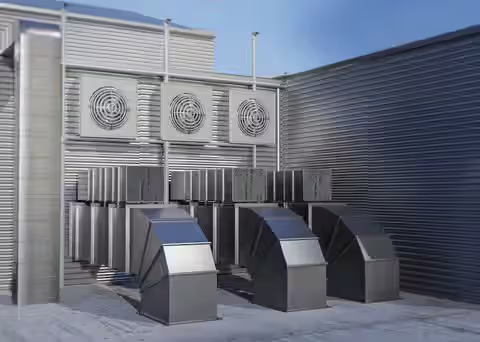
HVAC Systems Insights: Energy Efficiency, Smart Technology, and Indoor Air Quality
Heating, Ventilation, and Air Conditioning (HVAC) systems are integrated technologies designed to regulate temperature, airflow, and humidity within buildings. These systems help maintain comfortable indoor environments in homes, offices, hospitals, factories, and commercial facilities.
Modern buildings rely heavily on HVAC systems because indoor climate conditions affect human comfort, equipment performance, and air quality. Without controlled ventilation and temperature management, buildings can become inefficient, unhealthy, or difficult to occupy.
HVAC technology typically combines several core components:
-
Heating units such as furnaces or heat pumps
-
Cooling units like air conditioners or chillers
-
Ventilation systems that circulate and filter air
-
Thermostats and digital control systems
Together, these components maintain stable indoor environments regardless of external weather conditions.
In recent years, HVAC systems have become closely linked with energy efficiency technologies, smart building automation, and indoor air quality monitoring. Many modern installations are now part of larger building management systems that automatically adjust climate conditions based on occupancy and environmental data.
Why HVAC Systems Matter Today
HVAC technology plays a significant role in modern infrastructure. Buildings account for a large share of global energy consumption, and climate control systems are one of the primary contributors.
Efficient HVAC systems help address several important challenges.
Indoor comfort and productivity
Stable indoor temperatures help people focus and work effectively. Offices, hospitals, and schools rely on HVAC systems to create comfortable environments for daily activities.
Energy efficiency and sustainability
Heating and cooling can consume substantial energy. New HVAC technologies aim to reduce energy use through improved heat pumps, inverter compressors, and advanced insulation systems.
Indoor air quality
Ventilation and air filtration help remove pollutants, allergens, and airborne particles. This became especially important after global health concerns highlighted the role of ventilation in maintaining safer indoor spaces.
Infrastructure reliability
Industrial facilities, laboratories, and data centers depend on precise temperature control to protect sensitive equipment and maintain operational stability.
Because of these factors, HVAC technology has become closely linked with green building design, smart infrastructure, and sustainable construction strategies.
Recent Updates and Industry Trends
The HVAC industry has experienced several technological and regulatory developments during 2025 and 2026.
One of the most significant trends is the adoption of high-efficiency heat pumps. These systems can provide both heating and cooling while using less energy than traditional combustion-based systems.
Another important trend involves smart HVAC controls integrated with Internet of Things (IoT) technology. Smart thermostats and sensors allow building managers to monitor energy usage and adjust temperature settings automatically.
In 2025, several regions introduced updated refrigerant standards aimed at reducing environmental impact. Many new systems now use refrigerants with lower global warming potential.
Artificial intelligence is also being integrated into building management systems. AI-based HVAC optimization platforms can analyze building data and automatically adjust airflow, temperature, and humidity levels to improve efficiency.
Other recent developments include:
-
Growth of variable refrigerant flow (VRF) systems in commercial buildings
-
Increased adoption of energy recovery ventilation technology
-
Expansion of smart building automation platforms
-
Greater demand for indoor air quality monitoring systems
These changes reflect a broader shift toward energy-efficient and digitally connected building infrastructure.
Regulations and Policies Affecting HVAC Systems
HVAC systems operate within regulatory frameworks designed to improve safety, efficiency, and environmental sustainability.
Many governments have introduced building energy standards that require HVAC systems to meet specific efficiency levels.
For example, building codes often reference:
-
Minimum energy performance standards for heating and cooling equipment
-
Ventilation requirements for indoor air quality
-
Environmental guidelines related to refrigerant usage
-
Energy labeling systems for HVAC equipment
In India, the Energy Conservation Building Code (ECBC) developed by the Bureau of Energy Efficiency provides guidelines for energy-efficient commercial buildings. These standards include requirements related to HVAC efficiency and building insulation.
Globally, environmental policies also influence HVAC technology. Refrigerant regulations aim to phase down substances that contribute to climate change. As a result, manufacturers are developing systems that operate with alternative refrigerants and improved energy efficiency.
Government programs encouraging sustainable construction and green buildings have also accelerated the adoption of advanced HVAC technologies.
Tools and Resources for Understanding HVAC Systems
Several tools and digital platforms help engineers, building managers, and researchers analyze HVAC performance and energy efficiency.
Below are examples of commonly used tools and resources.
| Tool or Platform | Purpose | Key Use Case |
|---|---|---|
| EnergyPlus | Building energy simulation software | HVAC system performance modeling |
| OpenStudio | Building energy modeling interface | Energy efficiency analysis |
| TRACE 3D Plus | HVAC system design simulation | Commercial building design |
| HVAC Load Calculators | Thermal load estimation | System sizing and design |
| Smart Thermostat Apps | Climate monitoring and control | Residential HVAC management |
| Indoor Air Quality Sensors | Air monitoring devices | Pollution and ventilation tracking |
Other useful resources include:
-
Building energy benchmarking databases
-
Government energy efficiency portals
-
Smart building automation dashboards
-
HVAC design reference guides
These tools help building designers and facility managers understand energy consumption, indoor air quality, and equipment performance.
Frequently Asked Questions
What does HVAC stand for?
HVAC stands for Heating, Ventilation, and Air Conditioning. It refers to systems that regulate indoor temperature, airflow, and humidity.
What are the main components of an HVAC system?
An HVAC system typically includes heating equipment, cooling equipment, ventilation ducts, air filters, and control systems such as thermostats.
Why is ventilation important in HVAC systems?
Ventilation introduces fresh air and removes indoor pollutants. Proper airflow improves indoor air quality and helps maintain healthier environments.
What is a heat pump in HVAC technology?
A heat pump is a system that transfers heat between indoor and outdoor environments. It can provide both heating and cooling depending on the operating mode.
How do smart HVAC systems improve efficiency?
Smart systems use sensors, automation, and digital controls to adjust temperature and airflow based on occupancy and environmental conditions. This helps reduce unnecessary energy use.
Conclusion
HVAC systems are a foundational element of modern buildings. They regulate indoor climate conditions, improve air quality, and support the efficient operation of residential, commercial, and industrial spaces.
As technology continues to evolve, HVAC systems are becoming more energy-efficient and digitally connected. Innovations such as smart thermostats, AI-based building controls, and advanced heat pump technology are transforming how buildings manage temperature and airflow.
Government policies, environmental standards, and growing awareness of energy consumption are also shaping the future of HVAC technology. These factors encourage the development of systems that balance comfort, sustainability, and operational efficiency.
Understanding HVAC systems helps building designers, facility managers, and occupants make informed decisions about energy use and indoor environmental quality. As buildings become smarter and more sustainable, HVAC technology will remain a central component of modern infrastructure.