Electric Motor Knowledge Guide: Explore Fundamentals, Key Information, Insights, and Useful Tips
Electric motors are devices that convert electrical energy into mechanical motion. They power countless systems across industries—ranging from household appliances to large-scale manufacturing equipment. Electric motors exist because modern society requires efficient, reliable, and controllable mechanical movement. Instead of relying on combustion engines or manual mechanisms, electric motors provide smooth, predictable, and energy-efficient operation.
The development of electric motors began with early discoveries in electromagnetism during the 19th century. Over time, improvements in materials, wiring design, insulation, and control systems expanded their range of capabilities. Today, electric motors operate in vehicles, HVAC systems, industrial machines, robotics, tools, agricultural equipment, and automated systems.
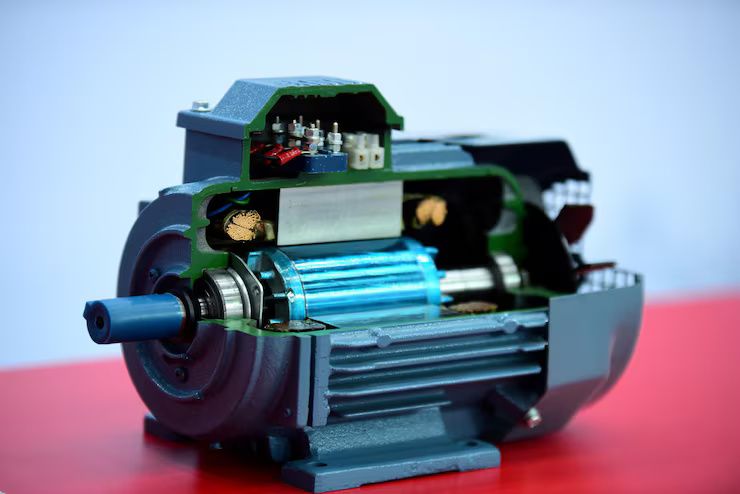
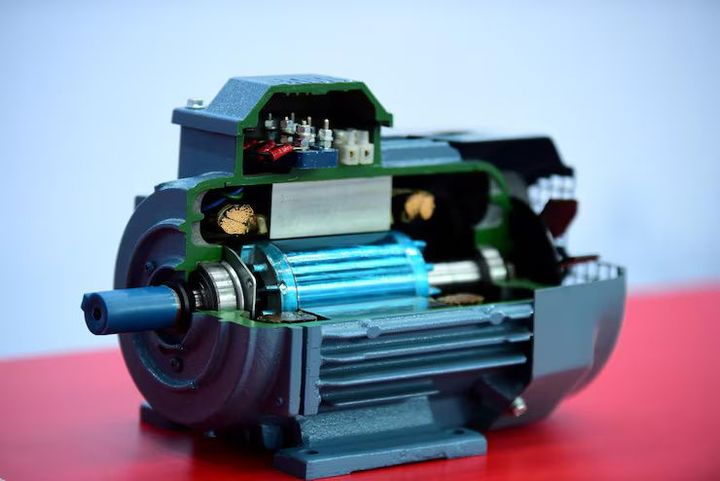
Electric motors work by using magnetic fields and electric currents to create rotational force. Their simplicity, durability, and consistency make them essential components in nearly every modern mechanical process. From tiny motors inside electronic devices to large industrial motors driving heavy machinery, they form the backbone of modern infrastructure.
Importance
Electric motors matter because they drive essential equipment and ensure reliable mechanical performance across many sectors. Their efficiency and adaptability allow them to operate in environments that require precise motion, continuous speed, or controlled torque.
Electric motors address several important challenges:
-
Energy Efficiency
Electric motors convert energy more efficiently than combustion engines, leading to reduced energy waste and lower environmental impact. -
Operational Stability
Motors provide consistent rotational output, essential for manufacturing lines, pumps, compressors, and conveyor systems. -
Automation and Precision
Modern motors integrate easily with digital controllers, enabling precise movement, position control, and programmable functions. -
Versatility Across Applications
Motors power fans, elevators, electric vehicles, medical devices, CNC machines, tools, and industrial robots. -
Reduced Maintenance Needs
Electric motors typically require less frequent maintenance, especially brushless and induction types, making them suitable for continuous operation.
Electric motors also contribute to large-scale efficiency across global infrastructure. Their widespread use in transportation, renewable energy systems, and industrial automation makes them critical in sustainability and modernization efforts. As industries continue adopting electric-powered systems, motors remain central to innovation and performance improvements.
Recent Updates
The past year brought several developments that influenced the evolution of electric motor technology across industries.
Advances in High-Efficiency Motor Designs (2024–2025)
Manufacturers improved motor efficiency by enhancing magnetic materials, optimizing winding patterns, and reducing heat losses. These improvements support energy-saving goals across industrial facilities and commercial spaces.
Growth of Electric Vehicle Motor Technology (2024)
In 2024, progress accelerated in traction motor design, including better torque control, improved cooling systems, and reduced rare-earth material usage.
Expansion of Brushless DC Motors (2025)
Brushless motors gained popularity across household devices, automation systems, and robotics due to quieter operation, improved lifespan, and reduced maintenance needs.
Smart Motor Monitoring Tools (2024–2025)
New diagnostics platforms launched in 2024 and early 2025 provided real-time data on motor vibrations, temperature, efficiency, and load profiles. These systems help detect faults early and improve maintenance planning.
Increased Integration With Renewable Energy Systems (2024)
Motors connected to solar-powered pumps, wind energy equipment, and hybrid systems became more common, emphasizing the shift toward sustainable power solutions.
These updates reflect the growing demand for smarter, more efficient, and environmentally aligned electric motor technologies.
Laws or Policies
Electric motors are influenced by regulations covering energy efficiency, electrical safety, environmental standards, and industry-specific compliance requirements. Although policies differ by country, several common regulatory themes apply globally.
Energy Efficiency Standards
Governments encourage the use of high-efficiency motors through performance ratings and labeling requirements. These policies help reduce national energy consumption, especially in sectors that rely on continuous motor operation.
Electrical Safety Certifications
Motors must meet strict safety guidelines for insulation, wiring, overheating protection, and mechanical integrity. These rules prevent electrical hazards and ensure safe installation.
Environmental Regulations
Restrictions may apply to motor materials, handling of lubricants, and noise output. Some guidelines address end-of-life recycling and disposal of motor components.
Industrial Compliance Codes
Motors used in hazardous environments must meet specialized certifications related to flame resistance, explosion-proof design, and protective housing.
Import and Manufacturing Requirements
Policies help maintain consistent quality across locally produced and imported motors, covering efficiency levels, testing procedures, and labeling commitments.
These regulations promote safe, efficient, and sustainable use of electric motors in both residential and industrial applications.
Tools and Resources
Numerous tools support planning, managing, selecting, and maintaining electric motors. These resources help users understand motor performance, efficiency, and suitability for various applications.
Motor Selection Calculators
-
Helps determine motor power rating
-
Supports torque and speed calculations
-
Useful for industrial and engineering planning
Efficiency Evaluation Tools
-
Compares performance across motor classes
-
Shows expected energy savings
-
Helps assess long-term operation behavior
Vibration and Condition Monitoring Tools
-
Tracks changes in vibration levels
-
Identifies potential mechanical issues
-
Provides early detection alerts
Motor Control Software
-
Allows configuration of drive settings
-
Supports motor tuning for automation systems
-
Offers real-time speed and torque adjustment
Maintenance Checklists
-
Lubrication timelines
-
Bearing inspection points
-
Temperature and vibration benchmarks
Illustrative Table: Common Types of Electric Motors
| Motor Type | Operation Method | Typical Applications |
|---|---|---|
| Induction Motor | Uses rotating magnetic fields | Pumps, fans, industrial equipment |
| Brushless DC Motor | Electronic commutation | Robotics, appliances, electric vehicles |
| Synchronous Motor | Rotates in sync with input frequency | Precision machinery, generators |
| Stepper Motor | Moves in discrete steps | CNC machines, printers, automation |
FAQs
What is the basic principle behind electric motors?
Electric motors operate using electromagnetic principles. When electrical current passes through coils, it generates magnetic fields that create rotational force on the motor’s rotor.
Are electric motors energy-efficient?
Yes. Electric motors are generally efficient, especially high-efficiency and brushless designs. They convert energy into motion with minimal losses compared to conventional mechanical systems.
What determines motor speed and torque?
Speed is influenced by electrical frequency and motor design, while torque depends on load, winding type, and power input. Different motors are designed for specific torque-speed characteristics.
How long do electric motors typically last?
Many motors last for years when maintained properly. Longevity depends on operating environment, load conditions, and regular maintenance such as bearing checks and lubrication.
Why are electric motors important in modern technology?
Electric motors power essential systems across manufacturing, transportation, automation, and home appliances. Their reliability and controllability make them foundational to modern mechanical systems.
Conclusion
Electric motors play a fundamental role in powering machinery and technologies across nearly every industry. Their efficiency, reliability, and adaptability make them essential for both large-scale operations and everyday devices. Recent advancements highlight increased focus on efficiency, smart monitoring, and sustainable applications. Policies ensure safe manufacturing and responsible usage, while various tools help users analyze performance and select appropriate motor types.
Understanding electric motor fundamentals provides a strong foundation for working with energy systems, industrial machinery, automation technology, and modern electrical infrastructure. As innovation continues, electric motors remain central to motion, productivity, and sustainable development.