Cryogenic Tanks Explained: Discover Insulated Storage Systems, Materials, and Technical Knowledge
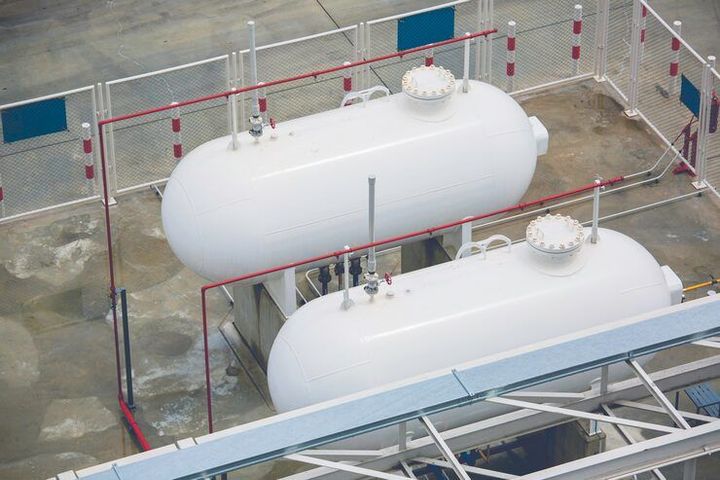
Cryogenic tanks are specialized storage vessels designed to hold gases in liquid form at extremely low temperatures, typically below −150°C. They exist to enable safe containment, transport, and use of cryogenic liquids such as nitrogen, oxygen, argon, helium, and liquefied natural gas. By maintaining very low temperatures, these tanks allow large quantities of gas to be stored in compact liquid form.
As industrial, medical, energy, and research applications expanded, the need to store gases efficiently became increasingly important. Storing gases at ambient conditions requires large volumes and high pressures, which can limit practicality and flexibility. Cryogenic tanks emerged as a solution by using insulation and controlled pressure systems to keep gases liquefied at low temperatures.
Today, cryogenic tanks are essential infrastructure components in industries that depend on reliable access to industrial gases and cryogenic fluids.
Importance: Why Cryogenic Tanks Matter Today
Cryogenic tanks matter because many modern technologies and processes rely on consistent and safe access to cryogenic liquids. These tanks support efficiency, safety, and scalability across multiple sectors.
Who relies on cryogenic tanks
-
Industrial gas production and distribution facilities
-
Healthcare and medical oxygen storage environments
-
Energy and power generation sectors
-
Scientific research and laboratory facilities
-
Aerospace and advanced engineering operations
Key challenges cryogenic tanks help address
-
Safe storage of extremely cold liquids
-
Minimizing heat transfer and evaporation losses
-
Maintaining pressure stability
-
Enabling large-volume gas storage in limited space
-
Supporting continuous supply for critical processes
-
Ensuring safe handling of cryogenic materials
By addressing these challenges, cryogenic tanks enable reliable and controlled use of low-temperature fluids.
Recent Updates and Trends (2024–2025)
Cryogenic storage technology continues to evolve as industries demand improved efficiency, safety, and monitoring.
Recent trends
-
Advanced insulation systems (2024): Improved vacuum and multi-layer insulation to reduce heat ingress.
-
Digital monitoring integration (2024–2025): Real-time tracking of temperature, pressure, and liquid levels.
-
Enhanced material performance (2024): Increased use of high-grade stainless steels and alloys.
-
Modular tank configurations (2025): Easier transportation and installation flexibility.
-
Improved safety instrumentation (2025): Enhanced pressure relief and detection systems.
These trends reflect ongoing efforts to improve reliability, performance, and operational visibility.
Laws and Policies Affecting Cryogenic Tanks
Cryogenic tanks operate under strict safety, environmental, and engineering regulations due to the hazards associated with low-temperature storage.
Key regulatory considerations
-
Pressure vessel regulations: Define design, fabrication, and testing requirements.
-
Industrial gas safety standards: Address handling and storage of cryogenic fluids.
-
Environmental protection guidelines: Govern venting and release management.
-
Workplace safety regulations: Specify protective measures and operational practices.
-
Inspection and certification requirements: Ensure ongoing tank integrity and compliance.
Adhering to these frameworks is essential for safe and responsible cryogenic storage operations.
Tools and Resources Used with Cryogenic Tanks
Effective operation of cryogenic tanks depends on specialized equipment and technical resources.
Monitoring and Control Tools
-
Temperature and pressure sensors
-
Liquid level measurement systems
-
Automated control and alarm panels
-
Pressure relief valves and safety devices
-
Data logging and monitoring interfaces
Operational and Safety Resources
-
Operating procedures and safety manuals
-
Preventive inspection schedules
-
Personal protective equipment guidelines
-
Emergency response protocols
-
Training and competency documentation
These tools and resources help maintain safe conditions and system reliability.
Table: Core Components of a Cryogenic Tank
| Component | Function |
|---|---|
| Inner Vessel | Contains the cryogenic liquid |
| Outer Shell | Provides structural protection |
| Insulation System | Minimizes heat transfer |
| Vacuum Space | Enhances thermal insulation |
| Pressure Relief Devices | Protect against overpressure |
| Instrumentation | Monitors operating conditions |
Table: Common Cryogenic Liquids Stored in Tanks
| Cryogenic Liquid | Typical Applications |
|---|---|
| Liquid Nitrogen | Industrial processing and laboratories |
| Liquid Oxygen | Medical and industrial use |
| Liquid Argon | Welding and manufacturing |
| Liquid Helium | Scientific research and cooling |
| Liquefied Natural Gas | Energy and transportation |
Cryogenic Tank Operational Workflow Overview
A typical cryogenic tank workflow includes:
-
Tank Preparation
The tank is inspected and prepared for filling. -
Cryogenic Filling
Liquid is transferred under controlled conditions. -
Temperature and Pressure Stabilization
Systems maintain required storage parameters. -
Monitoring and Control
Sensors track conditions continuously. -
Liquid Withdrawal
Cryogenic liquid is supplied to downstream use. -
Inspection and Maintenance
Regular checks ensure ongoing integrity.
This workflow supports safe and efficient cryogenic storage operations.
FAQs
1. What are cryogenic tanks used for?
They are used to store and handle liquefied gases at extremely low temperatures.
2. Why is insulation critical in cryogenic tanks?
Insulation minimizes heat transfer and reduces evaporation.
3. Are cryogenic tanks designed for high pressure?
They are designed to handle low temperatures and controlled pressure conditions.
4. What materials are commonly used in cryogenic tanks?
Specialized stainless steels and alloys suitable for low temperatures.
5. Do cryogenic tanks require regular inspection?
Yes. Routine inspection is essential for safety and reliability.
Conclusion
Cryogenic tanks are vital components of modern industrial, medical, energy, and research infrastructure, enabling the safe and efficient storage of liquefied gases at extremely low temperatures. Through advanced insulation, robust materials, and precise monitoring systems, these tanks address the unique challenges of cryogenic storage. Recent advancements in digital monitoring, insulation performance, and safety instrumentation have further enhanced their reliability and adaptability. Supported by strict regulatory frameworks, structured operational workflows, and specialized tools, cryogenic tanks continue to play a critical role in supporting low-temperature applications across diverse industries.