Fancy Vivid Blue Diamonds: Complete Guide to Rarity, Grading, and Value Factors
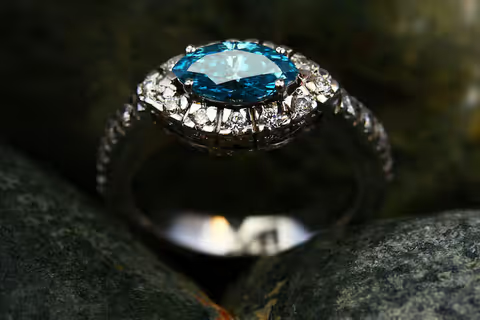
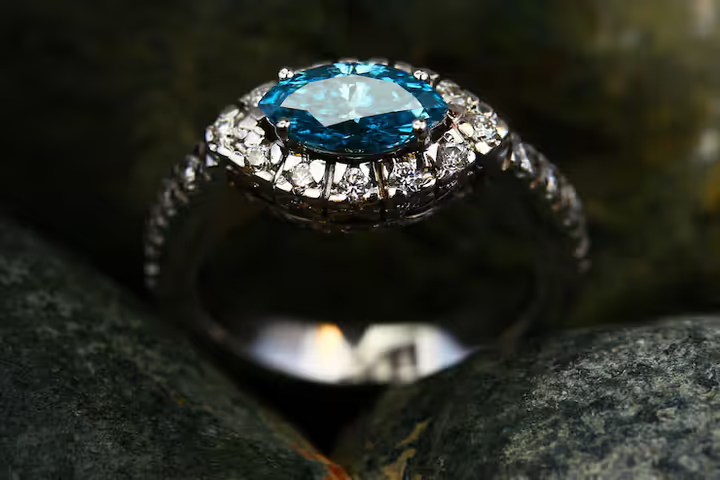
Fancy vivid blue diamonds are among the rarest colored diamonds in the global gemstone market. Unlike traditional white diamonds, their blue color comes from the presence of trace elements—primarily boron—within the crystal structure during formation deep beneath the Earth’s surface.
These diamonds form under extreme pressure and temperature conditions over billions of years. The boron atoms absorb red, yellow, and green light, allowing blue wavelengths to dominate. This geological process is uncommon, which explains their scarcity.
Color intensity plays a crucial role in classification. According to the Gemological Institute of America (GIA), “Fancy Vivid” is the highest color grading category for colored diamonds. It indicates the strongest and most saturated color appearance.
Historically, some of the world’s most famous gemstones belong to this category. For example, the Hope Diamond is one of the best-known natural blue diamonds, although it is graded Fancy Dark rather than Fancy Vivid.
Blue diamonds primarily originate from select mines such as those in South Africa and previously from Australia’s Argyle mine before its closure in 2020. Limited supply has made them highly studied in gemstone investment research and high-value auction markets.
Why Fancy Vivid Blue Diamonds Matter Today
Fancy vivid blue diamonds hold importance in several areas:
• Rare asset diversification in alternative investments
• High-value auction market participation
• Jewelry design innovation
• Geological and mineralogical research
In recent years, alternative asset classes—including colored diamonds—have gained attention from wealth management analysts and luxury investment researchers. Investors seeking tangible assets often examine colored diamonds for long-term value preservation.
They also affect:
• High-net-worth collectors
• Auction houses
• Certified diamond traders
• Gemological laboratories
• Luxury jewelry brands
These diamonds solve a specific market demand: the need for ultra-rare tangible assets that combine scientific rarity with aesthetic appeal.
Below is a simplified comparison of colored diamond rarity:
| Diamond Color | Relative Rarity | Market Demand Level |
|---|---|---|
| Yellow | Moderate | High |
| Pink | Very Rare | Very High |
| Blue (Fancy Vivid) | Extremely Rare | Exceptional |
Because of their scarcity and documented auction records, fancy vivid blue diamonds are often analyzed within high-CPC keyword areas such as:
• colored diamond investment
• certified blue diamond grading
• rare gemstone portfolio diversification
• high-value auction diamonds
• GIA diamond certification
Recent Updates and Market Trends (2025–2026)
Over the past year, the colored diamond market has shown steady interest in rare blue stones.
In November 2025, several high-profile auction houses reported strong bidding activity for rare blue diamonds exceeding 10 carats. Auction data from major global platforms indicates that top-quality vivid stones continue to command premium price per carat figures compared to lighter blue grades.
Market analysts in early 2026 also observed:
• Increased interest in certified natural origin verification
• Stronger differentiation between natural and laboratory-grown diamonds
• Greater demand for third-party grading transparency
Another development involves advanced spectroscopic testing to confirm natural boron presence. Laboratories now use high-resolution photoluminescence tools to distinguish natural fancy vivid blue diamonds from treated stones.
Additionally, following the closure of Australia’s Argyle mine, global supply remains tight. No major new blue diamond sources have been discovered in the past year, reinforcing scarcity concerns in luxury asset research discussions.
Laws, Regulations, and Certification Standards
Fancy vivid blue diamonds are influenced by international regulations related to mining, trade transparency, and certification.
One major framework is the Kimberley Process Certification Scheme, which aims to prevent conflict diamonds from entering the global market. Participating countries must certify shipments of rough diamonds.
In the United States, diamond imports and high-value gemstone transactions are subject to customs regulations and reporting standards enforced by the U.S. Customs and Border Protection.
Key regulatory factors include:
• Conflict-free sourcing verification
• Accurate country-of-origin disclosure
• Transparent grading certification
• Anti-money laundering compliance for high-value transactions
Certification remains critical. The Gemological Institute of America provides detailed grading reports that include:
• Color grade (e.g., Fancy Vivid Blue)
• Clarity grade
• Cut grade
• Carat weight
• Fluorescence information
• Origin and treatment disclosure
Without recognized certification, valuation accuracy becomes difficult.
Tools and Resources for Research and Evaluation
Several tools and platforms help individuals study and evaluate fancy vivid blue diamonds:
• GIA Report Check – Verify certification numbers
• Auction house archives – Track historical sale records
• Diamond price indices – Monitor colored diamond performance
• Spectroscopy analysis tools – Used by laboratories
• Diamond investment research publications
Below is a simplified reference table for evaluation tools:
| Tool Type | Purpose | Used By |
|---|---|---|
| GIA Report Verification | Confirm grading authenticity | Buyers, investors |
| Auction Databases | Review past sales data | Collectors |
| Market Price Index | Track price movements | Analysts |
| Spectroscopic Testing | Confirm natural origin | Labs |
When researching high-value gemstones, reviewing certification reports, auction history, and grading details remains essential.
Frequently Asked Questions
What makes a diamond “Fancy Vivid Blue”?
The term refers to the highest saturation level of blue color in the GIA colored diamond grading system. It indicates intense, evenly distributed blue coloration.
Are fancy vivid blue diamonds natural or treated?
Most high-value stones are natural. However, treated diamonds exist in the market. Laboratory certification identifies whether the color is natural or enhanced.
How rare are fancy vivid blue diamonds?
They are among the rarest diamond colors globally. Only a small fraction of all mined diamonds qualify as Fancy Vivid Blue.
Do laboratory-grown blue diamonds have the same value?
Laboratory-grown blue diamonds differ significantly in rarity and market positioning. They typically do not hold the same long-term auction performance as natural stones.
Why is certification important for colored diamonds?
Certification confirms authenticity, color grade, clarity, and whether the stone has undergone treatment. It ensures transparency in high-value transactions.
Conclusion
Fancy vivid blue diamonds represent a rare intersection of geology, luxury markets, and global trade regulation. Their color originates from trace boron during deep-earth formation, making them scientifically unique.
Today, they matter not only for their aesthetic appeal but also for their position within alternative asset discussions and high-value auction markets. Recent updates in 2025–2026 highlight ongoing demand, strict certification requirements, and limited supply.
Regulatory frameworks such as the Kimberley Process and international customs standards ensure transparency in the global diamond trade. Certification from recognized laboratories remains essential for accurate evaluation.
For researchers, collectors, and analysts, understanding grading standards, auction trends, and verification tools provides clarity in navigating this specialized segment of the gemstone market.
Fancy vivid blue diamonds continue to stand out as one of the most studied and rare natural gemstone categories in the world, shaped by geological history and modern regulatory oversight.