Conch Pearl Ring Overview for Fine Jewellery and Gemstone Knowledge
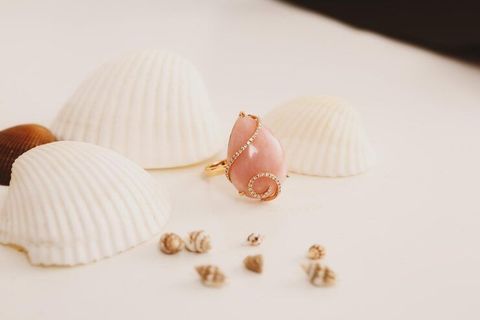
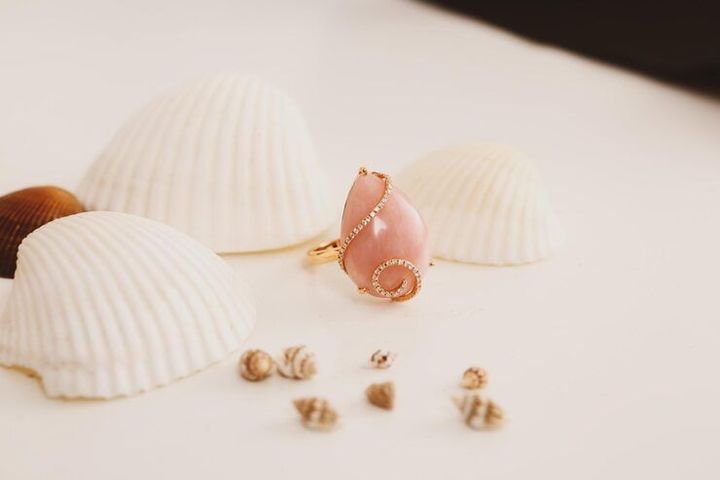
A conch pearl ring features a rare natural pearl formed inside the queen conch mollusk, scientifically known as Strombus gigas. Unlike traditional pearls from oysters, conch pearls are non-nacreous, meaning they do not have the typical layered nacre structure seen in cultured pearls.
These pearls are primarily found in the Caribbean Sea. They are discovered accidentally during fishing activities rather than being cultivated in pearl farms. Because they form naturally and cannot be reliably cultured at scale, conch pearls are considered rare gemstones in high-value jewellery collections.
A conch pearl ring combines this rare organic gemstone with precious metals such as gold or platinum. In the luxury jewellery market, conch pearls are often associated with natural gemstone certification, fine jewellery investment, and rare gemstone grading standards.
Conch pearls are known for their:
-
Pink to peach color spectrum
-
Porcelain-like luster
-
Flame structure (a subtle shimmering pattern)
-
Organic origin
The existence of conch pearl rings reflects long-standing human interest in rare gemstones, natural treasures, and distinctive jewellery craftsmanship.
Importance: Why Conch Pearl Rings Matter Today
In today’s gemstone and high jewellery market, rarity and authenticity play a major role in consumer decision-making. Conch pearl rings are valued because they:
-
Represent natural, untreated gemstone rarity
-
Are difficult to replicate through modern pearl farming
-
Appeal to collectors of investment-grade jewellery
-
Fit into the broader category of alternative luxury gemstones
As sustainability and ethical sourcing gain attention in 2026, consumers are increasingly interested in the environmental impact of gemstones. Conch pearls are typically by-products of regulated fishing activities rather than intensive farming systems.
This topic affects:
-
Jewellery designers working with rare gemstones
-
Gemstone investors focused on natural pearl certification
-
Collectors interested in high-value organic gems
-
Buyers researching diamond alternatives and unique engagement rings
In markets such as the United States, Europe, and parts of Asia, demand for rare pink gemstones has grown steadily. Conch pearl rings offer a distinct option within the luxury gemstone segment.
The following table compares conch pearls with traditional cultured pearls:
| Feature | Conch Pearl | Cultured Pearl |
|---|---|---|
| Formation | Naturally occurring | Cultivated in farms |
| Nacre Structure | Non-nacreous | Nacre-based |
| Typical Color | Pink, peach | White, cream, black |
| Cultivation Possibility | Not commercially viable | Widely cultivated |
| Rarity Level | Extremely rare | Common to moderately rare |
This rarity contributes to their strong position in the high CPC jewellery and gemstone investment search category.
Recent Updates and Trends (2026)
In 2026, several developments have influenced the conch pearl ring market:
Growing Focus on Natural Gemstone Certification
Gemological laboratories continue refining identification standards for non-nacreous pearls. Updated testing methods in early 2025 have improved the verification of flame structure and natural origin.
Increased Interest in Pink Gemstones
Industry trend reports from late 2025 and early 2026 show rising interest in pink diamonds, pink sapphires, and rare organic pearls. Conch pearls are part of this broader movement toward distinctive color gemstones.
Digital Jewellery Auctions
Online luxury auction platforms expanded rare pearl listings during 2026, making conch pearl rings more visible to global collectors. Digital authentication and blockchain-based gemstone records are increasingly used to support provenance.
Sustainable Sourcing Discussions
In mid-2025, Caribbean fisheries regulatory updates emphasized responsible harvesting practices for queen conch populations. This indirectly affects the availability of conch pearls and supports conservation-based management.
These trends show how conch pearl rings are influenced by broader shifts in luxury jewellery, sustainability, and gemstone transparency.
Laws and Policies Affecting Conch Pearls
Conch pearls are closely connected to regulations governing the queen conch species.
In many Caribbean countries, including the Bahamas and Jamaica, queen conch harvesting is regulated through:
-
Seasonal fishing limits
-
Size restrictions
-
Export controls
-
Conservation monitoring
Internationally, the queen conch is listed under CITES (Convention on International Trade in Endangered Species of Wild Fauna and Flora). This means international trade may require permits to ensure that harvesting does not threaten wild populations.
For buyers and collectors, this affects:
-
Cross-border shipment documentation
-
Import-export compliance
-
Legal provenance verification
Jewellery retailers operating in major markets must also comply with consumer protection and gemstone disclosure laws. These regulations require accurate representation of natural origin, treatments (if any), and certification details.
Understanding these policies helps protect biodiversity while ensuring transparency in the rare gemstone market.
Tools and Resources for Research
If you are researching conch pearl rings for educational or collection purposes, several tools and resources can help:
Gemological Institutes
-
Gemological Institute of America (GIA) – Pearl identification reports
-
International Gemological Institute (IGI) – Natural pearl certification
Online Auction Archives
-
Christie’s jewellery auction results database
-
Sotheby’s gemstone sale records
Gemstone Price Tracking Platforms
-
Industry price index reports
-
Historical auction analytics tools
Government and Conservation Resources
-
CITES official website for trade regulations
-
Caribbean fisheries departments for species protection policies
Jewellery Design Software
-
CAD jewellery modeling tools
-
Gemstone visualization platforms
These resources support accurate knowledge of gemstone grading, natural pearl authentication, and regulatory compliance.
Quality Factors in Conch Pearl Rings
The value and grading of a conch pearl ring typically depend on:
-
Color intensity (deep pink is highly desirable)
-
Flame pattern visibility
-
Surface quality
-
Shape symmetry
-
Size in millimeters
-
Metal setting quality
The following simplified rating example shows how grading factors influence overall evaluation:
| Quality Factor | High Grade Indicator | Moderate Indicator |
|---|---|---|
| Color | Intense pink | Pale peach |
| Flame Pattern | Clear and well-defined | Faint or minimal |
| Surface | Very smooth | Minor blemishes |
| Shape | Round or symmetrical oval | Irregular shape |
Because conch pearls cannot be mass-produced, even moderate-quality examples are considered rare compared to standard cultured pearls.
FAQs
What makes a conch pearl different from other pearls?
Conch pearls are non-nacreous and formed inside the queen conch mollusk. They do not have the layered nacre structure found in oyster pearls and display a distinctive flame pattern.
Are conch pearl rings considered rare jewellery?
Yes. Conch pearls are extremely rare because they form naturally and cannot be reliably cultivated in commercial pearl farms.
Do conch pearls come in colors other than pink?
While pink and peach tones are most common, they can also appear in white, cream, or light brown shades. Intense pink is typically the most valued.
Is international trade regulated for conch pearls?
Yes. Since the queen conch species is regulated under CITES, international trade may require permits to ensure legal and sustainable sourcing.
How are conch pearls certified?
Gemological laboratories use microscopic examination, structural analysis, and advanced imaging to confirm natural origin and identify the flame structure.
Conclusion
Conch pearl rings represent a unique segment of the fine jewellery and rare gemstone market. Their natural formation, limited supply, and distinctive pink coloration make them stand out among high-value organic gemstones.
As of 2026, growing interest in natural gemstone certification, sustainable sourcing, and alternative luxury jewellery continues to shape the conversation around conch pearls. Regulatory frameworks such as CITES ensure that conservation remains central to trade practices.
For collectors, designers, and researchers, understanding grading factors, legal considerations, and market trends is essential. A conch pearl ring is not only a decorative accessory but also a reflection of biodiversity, craftsmanship, and evolving global jewellery standards.