Learn About Villas in Dubai: Guide, and Helpful Lifestyle Information
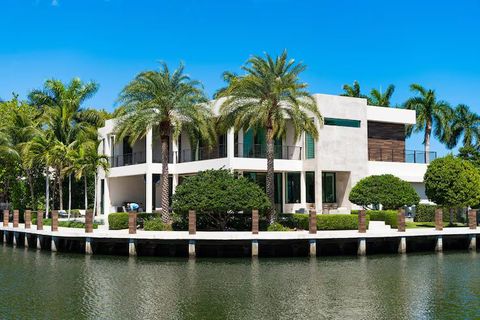
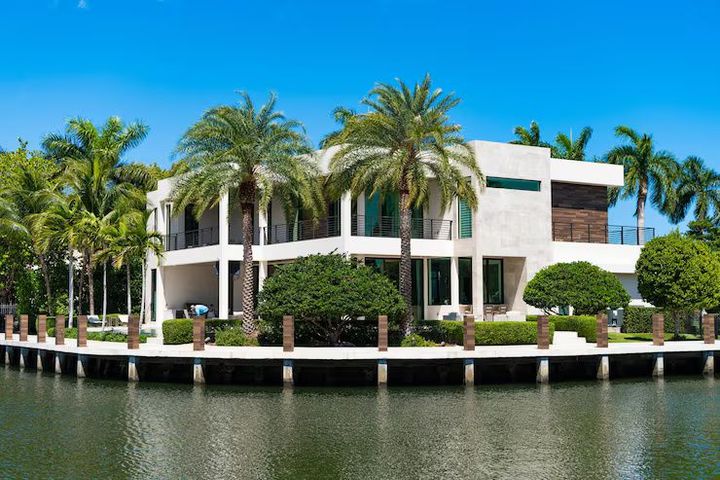
Villas in Dubai represent a blend of luxury, privacy, and modern design, attracting both residents and investors from around the world. Unlike high-rise apartments, villas provide spacious living environments with private gardens, pools, and personalized layouts — reflecting Dubai’s vision for premium and family-friendly lifestyles.
These villas are spread across renowned communities such as Palm Jumeirah, Arabian Ranches, Dubai Hills Estate, Emirates Hills, and Jumeirah Village Circle (JVC). Each neighborhood offers unique amenities — from beachfront living to golf course views and urban accessibility.
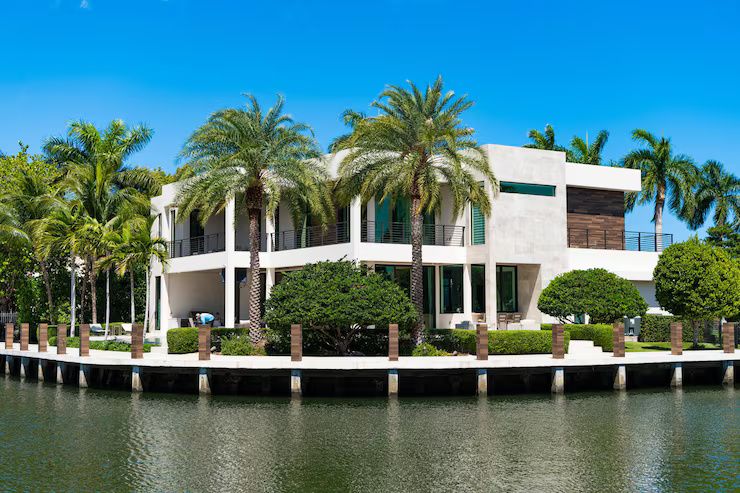
The concept of villas in Dubai gained prominence in the early 2000s as the city transitioned into a global real estate and tourism hub, catering to expatriates, investors, and high-net-worth individuals seeking high-quality living standards.
Importance
Understanding villas in Dubai is essential for those considering relocation, long-term residence, or property investment in one of the most dynamic cities in the world.
Why It Matters
-
Lifestyle Excellence: Villas offer comfort, space, and privacy unmatched by most urban residences.
-
Family-Friendly Living: Designed for multi-generational families with amenities like gardens, pools, and play areas.
-
Architectural Variety: From Arabic and Mediterranean to contemporary and minimalist styles.
-
Investment Value: Villas often show strong capital appreciation and stable rental returns.
-
Community Living: Many villa developments are part of gated, secure neighborhoods with parks, schools, and recreational centers.
Villas symbolize Dubai’s balance between cosmopolitan modernity and serene residential comfort.
Recent Updates
Dubai’s villa market has seen significant growth and modernization in recent years, driven by urban development, sustainability goals, and global interest in luxury real estate.
Notable Trends (2024–2025)
-
Record Sales Growth (2024): The Dubai Land Department reported a 12% rise in villa transactions, fueled by international buyers.
-
Sustainable Villa Designs: Developers are incorporating solar panels, smart irrigation, and energy-efficient cooling systems.
-
Waterfront and Desert Villas: New developments near Dubai Creek, Palm Jebel Ali, and Al Qudra are reshaping the villa market.
-
Smart Home Integration: Automation for lighting, temperature, and security is now standard in premium properties.
-
Co-Living and Serviced Villas: A growing trend where families or professionals share luxury villas with managed services.
-
Luxury Brand Collaborations: Partnerships like Emaar x Armani and DAMAC x Cavalli have introduced designer-inspired villa projects.
These updates highlight Dubai’s focus on innovation, sustainability, and global appeal in the residential property sector.
Laws and Regulations
Owning or renting villas in Dubai is governed by transparent real estate and tenancy laws, ensuring fairness and security for both residents and investors.
Key Legal Aspects
-
Freehold Ownership: Non-UAE residents can own villas in designated freehold zones like Palm Jumeirah, Dubai Marina, and Dubai Hills Estate.
-
Rental Regulations: Governed by the Dubai Rental Law (Law No. 26 of 2007), ensuring tenants’ rights and rent cap guidelines.
-
Ejari Registration: All tenancy contracts must be registered on the Ejari system, a legal requirement for utilities and visa processing.
-
Property Taxes: Dubai has no annual property tax, but owners pay registration fees and service charges.
-
Sustainability Mandates: New villa projects must follow Dubai Municipality’s Green Building Regulations for energy efficiency and water conservation.
-
Real Estate Governance: Regulated by the Dubai Land Department (DLD) and Real Estate Regulatory Agency (RERA) for transparency.
These frameworks make Dubai one of the most investor-friendly and secure real estate markets globally.
Tools and Resources
Various digital tools and resources make it easy to explore, compare, and understand villa options in Dubai.
| Category | Tool / Platform | Purpose / Use |
|---|---|---|
| Property Search | Bayut, Property Finder, Dubizzle | Compare villa listings, amenities, and neighborhood insights |
| Government Resources | Dubai Land Department (DLD), RERA | Verify ownership, tenancy laws, and developer approvals |
| Smart Living Apps | DEWA App, DubaiNow | Manage utilities, payments, and community services |
| Mapping and Navigation | Google Maps, Careem | View villa locations and commute distances |
| Design Inspiration | ArchDaily, Houzz | Explore villa interior design and architecture trends |
Practical Tips for Residents and Buyers
-
Location First: Choose communities near schools, workplaces, and transport links.
-
Understand Maintenance: Villas require more upkeep than apartments — check service charges and landscaping fees.
-
Review Amenities: Many communities offer gyms, walking trails, and community pools.
-
Check Developer Reputation: Reputable names like Emaar, Nakheel, DAMAC, and Sobha ensure long-term quality.
-
Plan for Sustainability: Look for villas with energy-efficient systems and solar-ready infrastructure.
Popular Villa Communities in Dubai
| Community | Key Features | Lifestyle Type |
|---|---|---|
| Palm Jumeirah | Beachfront villas, sea views, luxury finishes | Ultra-luxury & waterfront living |
| Dubai Hills Estate | Green landscapes, golf course views | Modern family lifestyle |
| Arabian Ranches | Desert-themed community, family-oriented | Peaceful suburban living |
| Emirates Hills | Exclusive gated community, private golf clubs | High-end luxury and privacy |
| Jumeirah Village Circle (JVC) | Affordable villas, community parks | Urban convenience & affordability |
| Al Barari | Eco-conscious design, botanical gardens | Wellness and nature-focused living |
Each community offers distinctive architectural styles and amenities, allowing residents to choose based on preferences and lifestyle.
FAQs
Q1. Can foreigners buy villas in Dubai?
Yes, expatriates and international investors can purchase villas in designated freehold areas, with full ownership rights.
Q2. Are villas in Dubai a good investment?
Yes. Villas often show steady price appreciation and strong rental yields, especially in premium neighborhoods.
Q3. How much does it cost to maintain a villa in Dubai?
Maintenance costs vary based on size and location but typically range between AED 5–10 per sq. ft annually.
Q4. Which areas offer the most family-friendly villas?
Communities like Arabian Ranches, Dubai Hills Estate, and Mudon are ideal for families with schools and parks nearby.
Q5. Do villas in Dubai follow eco-friendly standards?
Yes, new projects must comply with Dubai’s Green Building Regulations, promoting energy and water efficiency.
Conclusion
Villas in Dubai embody the city’s commitment to luxury, innovation, and sustainable living. From beachfront escapes to green suburban communities, Dubai offers a villa lifestyle suited for diverse preferences — whether you’re a family, professional, or investor.
With ongoing advancements in architecture, smart technology, and environmental design, Dubai continues to redefine what modern villa living means in a global city. Understanding local laws, neighborhoods, and current trends allows buyers and residents to make informed, confident decisions in this vibrant real estate market.
Dubai’s villas aren’t just homes — they are a reflection of a lifestyle built on comfort, culture, and contemporary living at its finest.

YOU MAY ALSO LIKE