CDN Management Tools: A Complete Guide for Better Web Performance
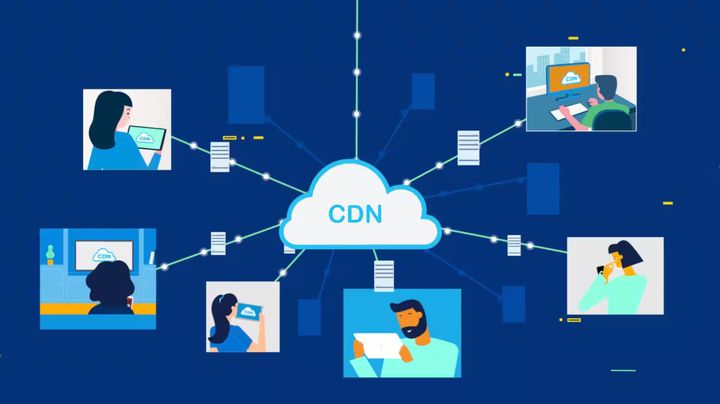
A Content Delivery Network (CDN) is a network of servers that deliver web content to users based on their geographic location. It speeds up the loading of websites by storing cached versions of web content in multiple locations worldwide.
As internet usage grows globally, especially with video streaming, e-commerce platforms, and cloud applications, the need for efficient content delivery has increased. CDN management tools exist to help organizations control caching strategies, analyze traffic patterns, enhance security, and ensure consistent performance across regions.
These tools are particularly relevant for websites that experience high traffic volumes or serve users across different countries. They support real-time analytics, edge computing integration, and automated optimization, making them essential in modern web infrastructure.
Why CDN Management Tools Matter Today
The importance of CDN management tools has grown alongside the expansion of digital services and user expectations for fast, reliable online experiences.
They play a critical role in solving several modern challenges:
Performance Optimization
CDN tools reduce page load times by serving content from the nearest server to the user. This improves user experience and reduces bounce rates.
Scalability Support
High-traffic platforms such as streaming services and e-learning portals rely on CDN tools to handle spikes in demand without performance degradation.
Cybersecurity Enhancement
Many CDN management platforms include features such as DDoS mitigation, secure token authentication, and web application firewalls (WAF).
Global Accessibility
Businesses targeting international audiences benefit from consistent performance across regions, even in areas with limited infrastructure.
Data Insights
Advanced analytics provided by CDN tools help organizations understand user behavior, traffic sources, and performance bottlenecks.
These tools affect a wide range of users, including developers, IT teams, digital marketers, and organizations managing large-scale online platforms.
Recent Updates and Trends in CDN Management Tools
Over the past year (2025–2026), CDN management tools have evolved significantly due to advancements in cloud computing and edge technologies.
Edge Computing Integration
Many CDN providers have integrated edge computing capabilities, allowing data processing closer to users. This reduces latency and supports real-time applications such as IoT and gaming.
AI-Driven Optimization
In 2025, several platforms introduced AI-based traffic routing and predictive caching. These systems analyze user patterns to pre-load content efficiently.
Zero Trust Security Models
Security frameworks are shifting toward zero trust architectures, where every request is verified before access is granted. CDN tools now incorporate identity-based access controls.
Multi-CDN Strategies
Organizations increasingly use multiple CDN providers to improve redundancy and avoid downtime. Management tools now support unified dashboards for multi-CDN environments.
Sustainability Focus
CDN providers have begun optimizing energy consumption and server efficiency to align with environmental goals, especially in Europe and North America.
These updates reflect the growing complexity of digital ecosystems and the need for smarter, more adaptive delivery systems.
Laws and Policies Affecting CDN Management Tools
CDN management tools operate within a framework of data protection laws, cybersecurity regulations, and internet governance policies.
Data Privacy Regulations
- General Data Protection Regulation (GDPR) in Europe requires strict handling of user data
- India’s Digital Personal Data Protection Act (DPDP Act, 2023) governs how personal data is processed and stored
- CDN providers must ensure compliance with data localization and user consent requirements
Content Delivery Restrictions
Some countries impose restrictions on data transfer across borders. CDN tools must support regional data routing and storage policies.
Cybersecurity Standards
Governments increasingly require adherence to cybersecurity frameworks, including:
- Encryption protocols
- Incident reporting requirements
- Infrastructure resilience standards
Net Neutrality Considerations
CDN providers must operate within net neutrality principles in certain regions, ensuring fair access without discriminatory traffic prioritization.
These policies influence how CDN tools are designed, especially in terms of data storage, routing, and security practices.
Tools and Resources for CDN Management
There are several widely used tools and platforms that help manage CDN performance, analytics, and security.
Popular CDN Management Platforms
- Cloud-based CDN dashboards with analytics and caching controls
- Edge computing platforms for real-time processing
- Traffic monitoring and load balancing tools
Performance Monitoring Tools
- Real-time latency tracking systems
- Website speed testing tools
- Network diagnostic platforms
Security Tools
- Web Application Firewalls (WAF)
- DDoS protection systems
- SSL/TLS certificate management tools
Developer Resources
- API documentation for CDN integration
- Configuration templates for caching rules
- Automation scripts for deployment
Educational Resources
- Online documentation and tutorials
- Technical blogs and whitepapers
- Community forums for troubleshooting
CDN Management Tools Feature Comparison
| Feature | Basic Tools | Advanced Tools | Enterprise Tools |
|---|---|---|---|
| Caching Control | Limited | Custom Rules | Dynamic Optimization |
| Analytics | Basic Metrics | Real-Time Insights | Predictive Analytics |
| Security Features | Standard SSL | WAF Integration | Zero Trust Architecture |
| Scalability | Moderate | High | Global Multi-CDN |
| Automation | Minimal | Script-Based | AI-Driven Automation |
| Edge Computing Support | No | Partial | Full Integration |
Frequently Asked Questions
What is a CDN management tool?
A CDN management tool is a platform that helps configure, monitor, and optimize how content is delivered across distributed servers globally.
How do CDN tools improve website performance?
They reduce latency by serving content from servers closest to users and optimize caching to minimize load times.
Are CDN management tools only for large websites?
No, they are useful for websites of all sizes, especially those targeting users in multiple geographic regions.
What is the role of edge computing in CDN tools?
Edge computing allows data processing closer to users, improving speed and enabling real-time applications.
Do CDN tools help with cybersecurity?
Yes, many include features such as DDoS protection, encryption, and traffic filtering to enhance security.
Conclusion
CDN management tools have become an essential component of modern digital infrastructure. They address critical challenges related to speed, scalability, security, and global accessibility.
With advancements such as AI-driven optimization, edge computing, and multi-CDN strategies, these tools continue to evolve in response to growing internet demands. At the same time, regulatory frameworks and data protection laws shape how they operate across different regions.
Understanding CDN management tools provides valuable insight into how digital content is delivered efficiently and securely. As online ecosystems expand, these tools will remain central to maintaining performance, reliability, and user satisfaction in a connected world.